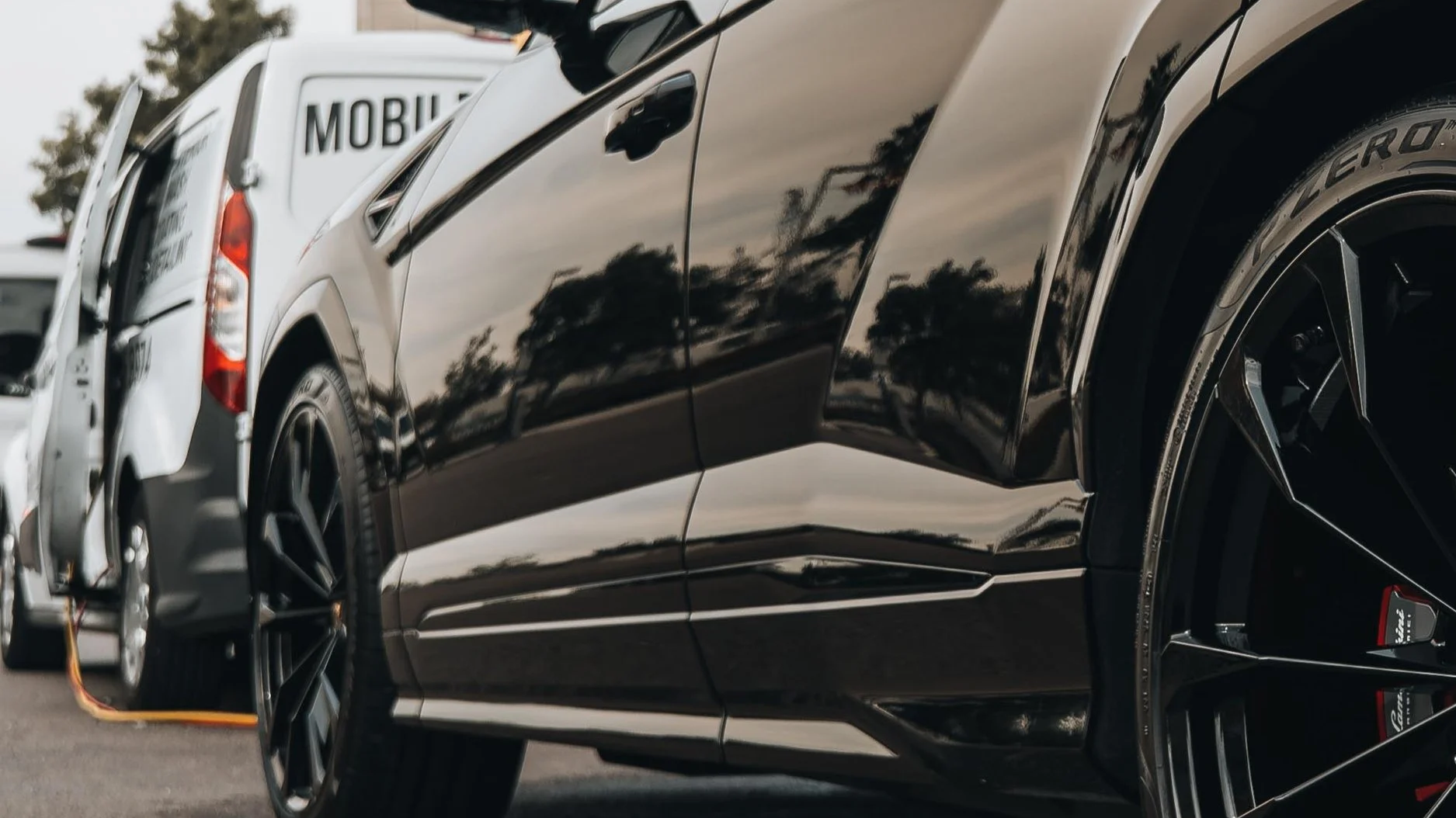
How to Wash a Ceramic Coated Car: Complete Maintenance Guide
You paid good money for that ceramic coating—probably $600-1,200 depending on your vehicle size. Now you're wondering if you need special products, techniques, or if you can just run it through a car wash like before.
Here's the truth: ceramic coatings make washing easier, not harder. But there are specific things you should and shouldn't do if you want that coating to last its full 2-3 years instead of degrading after 8-10 months.
After applying ceramic coatings to over 2,000 vehicles throughout San Diego County, Fresh Layer Mobile Detailing has seen what proper maintenance looks like—and what happens when people treat their $1,000 coating like it doesn't need any care at all.
This isn't about selling you a bunch of expensive products. It's about understanding what actually matters for ceramic coating maintenance and what's just marketing.
Washing a ceramic-coated car involves specific techniques and products to ensure the coating remains effective. This guide will walk you through cleaning your ceramic-coated car correctly and list all the essential products you'll need.

Why Ceramic Coatings Still Need Regular Washing
Let's clear up the biggest misconception first: ceramic coating doesn't mean your car stays clean forever or never needs washing.
The coating creates a hard, hydrophobic surface that makes dirt and contaminants less likely to bond to your paint. Water beads up and rolls off. Mud slides off easier. Bird droppings don't etch as quickly.
But here's what still happens: dirt accumulates, road grime builds up, water spots form (especially in San Diego's hard water areas), and environmental contamination settles on the surface. If you ignore regular washing, that contamination starts interfering with the coating's hydrophobic properties.
What Fresh Layer sees regularly: Customers who think "ceramic coating means I don't need to wash my car" end up with coatings that stop beading water after 6-8 months instead of the 2-3 years they should last. The coating is still there, but it's buried under contamination that prevents it from working properly.
Regular washing removes that contamination before it bonds to the coating. Think of it like maintaining any other investment—you wouldn't buy expensive tires and then never check the pressure, right?
San Diego Specific Considerations
San Diego creates unique challenges for ceramic coating maintenance:
Coastal salt air: If you're anywhere near the coast (La Jolla, Pacific Beach, Del Mar, Carlsbad), salt deposits on your coating constantly. Left unwashed, those salt particles attract moisture and create spots that interfere with water beading.
Hard water: San Diego's water is notoriously hard. Washing in direct sun or letting water air-dry creates mineral deposits that bond to the coating. These don't harm the coating itself but create spots that look terrible and reduce performance.
Dust and pollen: Spring months bring heavy pollen that sticks to any surface. Summer brings dust from inland areas. Both create films that dull the coating's appearance.
Bird droppings: We have a lot of birds in San Diego. Their droppings are acidic. While ceramic coating resists etching better than bare paint, droppings left for days will still cause problems.
Fresh Layer recommends washing every 2 weeks for coastal vehicles, every 3-4 weeks for inland San Diego cars. More frequent if you park under trees or in dusty areas.
The Right Products for Ceramic Coating Maintenance
pH-Neutral Car Shampoo
Two Buckets
Wash Mitt
Microfiber Towels
Foam Cannon or Foam Gun
Grit Guards
Wheel Cleaner and Brushes
Ceramic Coating Toper
Before you begin, gather the following tools and materials:
pH-Neutral Car Shampoo

pH-Neutral Car Shampoo (Essential)
This is the one product you absolutely need to get right. Ceramic coatings are sensitive to extreme pH levels—highly acidic or alkaline cleaners can break down the SiO2 bonds that make the coating work.
Product: CarPro Reset Intensive Car Shampoo
Purpose: These shampoo are specifically designed for use with ceramic coatings to avoid stripping the protection while effectively cleaning the surface.
What to look for: Shampoos specifically labeled "safe for ceramic coatings" or "pH-neutral." These typically have pH levels between 6-8.
What to avoid: Bug and tar removers, wheel cleaners, or any product with "heavy duty" in the name unless specifically labeled ceramic-safe. These are often highly alkaline (pH 10+) and will strip your coating.
Popular options: CarPro Reset, Gyeon Bathe, and Adam's Car Shampoo (ceramic-safe version) are widely recommended. They're $15-25 for a bottle that lasts months. Fresh Layer uses CarPro Reset for maintenance washes because it actually cleans coating surfaces without interfering with the hydrophobic properties.
Alternative approach: Any quality car shampoo with neutral pH works. You don't need ceramic-specific products—you need products that won't damage ceramic coatings. The difference is marketing more than chemistry.

This isn't about the ceramic coating—it's about preventing scratches. But since you paid for a perfect finish, you want to keep it that way.
Product: Grit Guard Wash Bucket Kit
Purpose: One bucket is for the soapy water and one for rinsing your wash mitt. Using the two-bucket method reduces the risk of transferring dirt back onto the car.
How it works: One bucket has soapy water. One bucket has clean rinse water. Wash a section of the car, rinse your mitt in the clean bucket, reload with soap, repeat. This keeps dirt from transferring back onto the paint.
Grit guards help: These plastic inserts sit in the bottom of buckets and trap dirt that falls off your wash mitt. When you swirl the mitt to rinse it, dirt settles below the guard instead of floating back up to contaminate your mitt.
Cost: Two decent 5-gallon buckets plus grit guards run $30-50. They last years. Or use any two large buckets you have—the principle matters more than the brand.
Product: Grit Guard Wash Bucket Kit
Purpose: One bucket is for the soapy water and one for rinsing your wash mitt. Using the two-bucket method reduces the risk of transferring dirt back onto the car.

The softer and cleaner your wash tools, the less risk of scratching. Ceramic coatings are hard but not scratch-proof.
Wash mitts: Premium microfiber mitts (like The Rag Company or Adam's) have longer, softer fibers that hold more soap and water. This reduces friction during washing. They run $10-20 each. Buy 2-3 so you always have clean ones available.
Drying towels: Waffle-weave microfiber towels are ideal for drying ceramic coatings. They're absorbent and create minimal contact pressure. The Rag Company's "Dry Me A River" is popular for good reason—it's huge, absorbent, and doesn't scratch. About $25.
Maintenance: Wash mitts and towels in hot water with microfiber-safe detergent. No fabric softener (reduces absorbency). Air dry or low heat. Replace when they start feeling rough or shedding fibers.
Product: Adam's Wash Pad
Purpose: A soft, microfiber wash mitt minimizes scratches and effectively removes dirt from the car’s surface.
Microfiber Towels

Product: The Rag Company Dry Me A River Waffle-Weave Towel
Purpose: For drying the car after washing without scratching the coating.
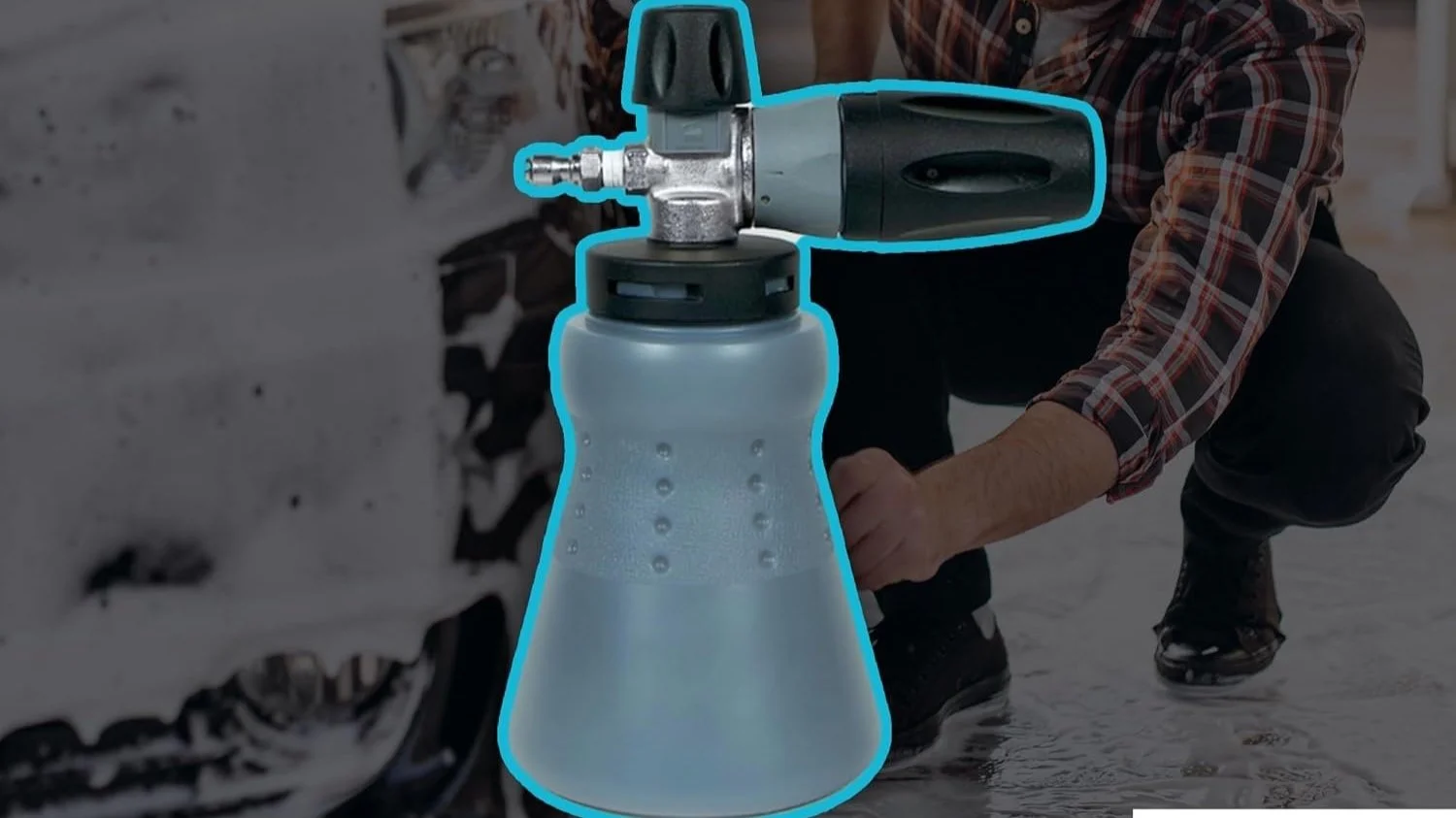
Product: MTM Hydro Professional Foam Lance
Purpose: Optional but useful for applying a layer of foam that helps lift dirt before hand washing.

Product: Chemical Guys Cyclone Dirt Trap
Purpose: Placed in the bottom of your buckets to keep dirt and debris from being picked up by your mitt.

Product: P&S Brake Buster Wheel Cleaner
Purpose: To clean the wheels and tires without damaging the ceramic coating on your rims.

Product: Car Pro Reload 2.0
Purpose: After washing your car topper will add an extra protective layer to your ceramic coating
Preparation Steps
Park in a Shaded Area: Ensure your car is parked out of direct sunlight to prevent soap and water from drying too quickly and leaving spots.
Pre-Rinse the Car: Use a hose or pressure washer to remove loose dirt and debris from the car’s surface.
Step-by-Step: How to Properly Wash a Ceramic Coated Car

Preparation (5-10 minutes)
Pick the right time: Early morning or evening when the car is cool. Never wash in direct sunlight or when the surface is hot to the touch. Hot surfaces cause soap and water to dry too quickly, leaving spots.
Location matters: Shaded area if possible. If you must wash in sun, work in small sections and rinse immediately.
Pre-rinse thoroughly: Use a hose or pressure washer to blast off loose dirt, sand, and debris. Spend extra time on wheel wells and the lower panels where most dirt accumulates. This step prevents you from grinding dirt across the paint during washing.
Start with wheels: Wash wheels first because wheel cleaner can splash onto the car body. Use a dedicated wheel brush and ceramic-safe wheel cleaner. Rinse thoroughly before moving to the body.
The Washing Process (20-30 minutes)
Set up your two buckets:
Bucket 1: Fill with water and add the recommended amount of pH-neutral shampoo (usually 1-2 oz per gallon). Mix until it creates suds.
Bucket 2: Fill with plain water for rinsing.
Optional foam pre-soak: If you have a foam cannon, apply thick foam to the entire car and let it dwell for 3-5 minutes. This gives the soap time to break down contamination. Don't let it dry—rinse if it starts drying before you're ready to wash.
Wash from top to bottom:
Dip your wash mitt into the soapy bucket
Wash the roof using straight, overlapping lines (not circles)
Rinse the mitt thoroughly in the clean bucket
Reload with soap and continue to the upper body panels
Work your way down: windows → upper doors → lower doors → trunk/hatch → hood → front bumper
Why top to bottom? The lower portions of the car have the most dirt. Washing top to bottom means you're always using the cleanest water and soap on the less-dirty areas.
Rinse frequently: Rinse each section after washing rather than doing the whole car then rinsing. This prevents soap from drying.
Drying (10-15 minutes)
Don't air dry: Water spots are your enemy, especially with San Diego's hard water. Always dry the car completely.
Technique matters:
Start with a damp microfiber drying towel (squeeze out excess water)
Lay the towel flat on the surface and drag it gently
Use light pressure—the towel should glide, not scrub
Flip to a clean section of towel frequently
Work from top to bottom, same as washing
Blow-drying works great: If you have a leaf blower, car dryer, or air compressor, use it to blow water out of seams, trim gaps, and mirror housings. This prevents water from dripping out later and creating spots.
Check your work: Walk around the car in good light looking for missed spots or water streaks. Better to catch them now than find dried water spots later.
Post-Wash Enhancement (Optional, 5-10 minutes)
Ceramic coating topper: Every 2-3 washes (roughly every 6-8 weeks), apply a ceramic coating topper like CarPro Reload:
Spray onto a clean, damp surface (right after drying)
Spread with a microfiber applicator
Let it haze slightly (30-60 seconds)
Buff off with a clean microfiber towel
This refreshes the hydrophobic properties and adds an extra layer of protection. Your water beading will improve noticeably.
Signs Your Ceramic Coating Needs Professional Attention
Water Doesn't Bead Properly
What it means: Fresh ceramic coating creates tight, spherical water beads that roll off easily. As coating ages or becomes contaminated, beading becomes looser, flatter, and less effective.
Diagnosis:
If water beads vary across the surface → contamination (clay bar treatment needed)
If water sheets instead of beading → coating degraded or buried under contamination
If water beads on some panels but not others → uneven contamination or coating failure
Action: Try thorough washing, clay bar treatment, and ceramic topper application. If beading doesn't improve, professional inspection needed.
Rough Texture When Running Your Hand Over Paint
What it means: Paint should feel glass-smooth after washing. Rough texture indicates bonded contamination.
Action: Clay bar treatment. If texture remains rough after proper claying, the contamination might be below the coating surface (indicating coating failure) or the rough feel is from coating degradation itself.
Visible Staining or Discoloration
What it means: Water spots that won't remove with normal washing, or areas that look different than surrounding paint.
Action: Try vinegar treatment for water spots. If staining persists, could indicate etching that occurred before coating application or coating failure allowing contaminants to reach paint.
Coating Started Failing Within First Year
What it means: Properly applied ceramic coating should last 2-3 years minimum. Failure within the first year suggests application issues or exposure to harsh chemicals.
Action: Contact whoever applied the coating—most professional installers warranty their work. Fresh Layer provides 2-year warranty on ceramic coating application, so premature failure is covered.
Common Mistakes That Damage Ceramic Coatings

Using Automatic Car Washes
Brush-style automatic washes are terrible for any vehicle, but especially ceramic coated cars. Those brushes accumulate dirt from every car that goes through. You're essentially paying to have someone scrub your expensive coating with dirty brushes that create micro-scratches.
Touchless automatic washes are better but use strong chemicals to compensate for no physical contact. Those chemicals are often highly alkaline and can degrade ceramic coatings over time.
Fresh Layer's take: If you're going to pay $600-1,200 for ceramic coating and then use automatic washes, you're wasting money. Hand washing or professional maintenance washes are the only options that make sense.
Washing in Direct Sunlight
Hot paint causes water and soap to evaporate before you can rinse them off. The minerals in water and chemicals in soap get left behind, creating spots that bond to the coating.
In San Diego's climate, a black car in summer sun can reach 180-200°F. At those temperatures, water evaporates in seconds. Those water spots require serious effort to remove.
Solution: Wash early morning, evening, or in shade. If you must wash midday, work in very small sections and rinse immediately.
Using Dirty Wash Tools
A wash mitt that's been used multiple times without proper cleaning holds dirt particles in the fibers. Using it on your ceramic coated car means grinding that dirt across your expensive coating.
Same goes for drying towels. If they're not thoroughly clean, you're just smearing contamination around.
Solution: Dedicated wash day? Use fresh, clean tools. After washing, immediately clean your mitts and towels properly so they're ready for next time.
Letting Contamination Sit Too Long
Bird droppings, tree sap, bug splatter—ceramic coating resists these better than bare paint, but "resists" doesn't mean "immune." Left for days or weeks, these will still bond to the coating and become difficult to remove.
San Diego challenge: We have birds. We have bugs. We have trees. If you park outside, you will get droppings on your car. The ceramic coating buys you time—maybe 2-3 days instead of 2-3 hours—but you still need to remove them promptly.
Quick fix: Keep a spray detailer and microfiber towel in your trunk. When you spot a bird dropping, spray it thoroughly and let it sit for 30 seconds. Gently wipe away. Done. Don't let it bake in the sun for a week.
Skipping Regular Washing
The coating works by being clean. Dirty coating = reduced hydrophobic properties = more dirt sticks = coating gets dirtier = water stops beading = coating appears to have failed.
It hasn't failed—it's just buried under contamination. Regular washing prevents this cycle.
San Diego frequency recommendations:
Coastal areas (La Jolla, Pacific Beach, Del Mar): Every 2 weeks minimum
Urban areas (Downtown, Hillcrest, North Park): Every 2-3 weeks
Inland areas (Poway, Mira Mesa, Santee): Every 3-4 weeks
After beach trips or off-road driving: Immediately
FAQs About How to Wash Ceramic Coating Car
-
No, It's best to use a pH-neutral car shampoo specifically designed for ceramic coatings to avoid stripping the protection.
-
Ideally, you should wash your ceramic-coated car every two weeks to maintain its appearance and protection.
-
Yes, using a pressure washer is safe and effective for rinsing dirt and debris off a ceramic-coated car, but ensure you use it at a safe distance to avoid damaging the coating.
-
No, you don’t need to reapply the ceramic coating after each wash. However, using maintenance sprays or sealants designed for ceramic coatings can help refresh and enhance the protection.
-
If water spots form, gently wash the area again using pH-neutral shampoo and dry it thoroughly. For stubborn spots, a detailing spray or water spot remover safe for ceramic coatings can be used.
-
Using a clay bar can be safe if done correctly, but it's generally not necessary for regular maintenance. If needed, use a clay bar with a lubricant specifically designed for ceramic coatings to avoid damaging the coating.
Professional Maintenance vs DIY: Making the Right Choice
When DIY Makes Sense
Best scenarios for DIY washing:
You have proper tools and products
You have adequate time (45-60 minutes per wash)
You have a suitable location (shade, water access, drainage)
You understand proper technique
You don't mind the physical work
Real cost of DIY maintenance:
Initial supplies: $100-150 (buckets, mitts, towels, soap, etc.)
Ongoing costs: $30-50 per year (soap refills, replacement towels)
Time investment: 45-60 minutes per wash × 18-24 washes yearly = 13-24 hours
Annual cost: $30-50 + 13-24 hours
For people who enjoy hands-on car care, DIY is perfectly fine. You get to control quality and save money versus professional services.
When Professional Maintenance Makes More Sense
Scenarios where Fresh Layer's maintenance service provides better value:
Your time is valuable and washing isn't enjoyable
You lack proper equipment or suitable location
You want expert care that catches potential issues early
You live in coastal areas where salt requires more careful removal
You want coating performance regularly checked
Fresh Layer's ceramic coating maintenance service:
Cost: $99-129 depending on vehicle size
Includes: Professional pH-neutral wash, decontamination, coating inspection, ceramic topper application if needed
Time investment from you: Zero—we come to your location
Frequency: Monthly or bi-monthly depending on your exposure
Added value: We spot issues like coating failure, paint damage, or contamination that needs professional attention
Cost comparison over one year:
DIY: $30-50 in products + 13-24 hours of your time
Professional (monthly service): $960-1,440 with zero time investment and expert care
Professional (bi-monthly service): $480-720 with zero time investment
The value equation depends on what an hour of your time is worth and whether you enjoy the process. If you bill $100/hour professionally and spend 20 hours yearly washing your car, you're "spending" $2,000 in opportunity cost to save maybe $700 in professional service costs.
For many Fresh Layer customers, professional maintenance makes more sense from a pure value perspective. For car enthusiasts who enjoy the process, DIY is the right call.
The Hybrid Approach
Most of our ceramic coating customers use a hybrid approach:
Handle regular washes themselves (every 2-3 weeks)
Schedule professional maintenance quarterly ($300-400 annually)
We handle deep cleaning, coating inspection, and topper application
They handle the routine maintenance between visits
This balances cost savings with expert care and early problem detection.
Conclusion: Maintaining Your Investment
Ceramic coating is a significant investment in your vehicle's appearance and protection. Proper washing maintenance ensures you get the full 2-3 year lifespan from that investment instead of watching it degrade prematurely from neglect or improper care.
The good news: maintaining ceramic coating is actually easier than maintaining unprotected paint. Fewer washes needed, contamination removes more easily, and the whole process takes less time.
Key takeaways:
Use pH-neutral shampoo and proper washing technique
Wash every 2-4 weeks depending on exposure
Dry completely to prevent water spots (especially in San Diego's hard water)
Address contamination promptly (bird droppings, sap, etc.)
Consider professional maintenance if time or expertise is limited
Ready for professional ceramic coating maintenance? Fresh Layer Mobile Detailing provides expert maintenance services throughout San Diego County. We inspect coating condition, perform proper cleaning with professional products, and address any issues before they become problems.
Contact Fresh Layer today: (619) 433-8974 BBB A+ rated | Fully insured | 2,000+ satisfied customers