
Professional Tree Sap Removal & Paint Restoration for San Diego Vehicles
Ice cubes and rubbing alcohol damage paint trying to remove tree sap. San Diego's eucalyptus groves, pine trees, and oak canopies drip sticky resin that UV exposure bakes into clear coat within 24-48 hours. DIY solvents strip paint protection—professional automotive solvents safely dissolve sap without harming clear coat underneath.
Tree Sap Removal & Paint Restoration for San Diego

Starts At $299
DESCRIPTION
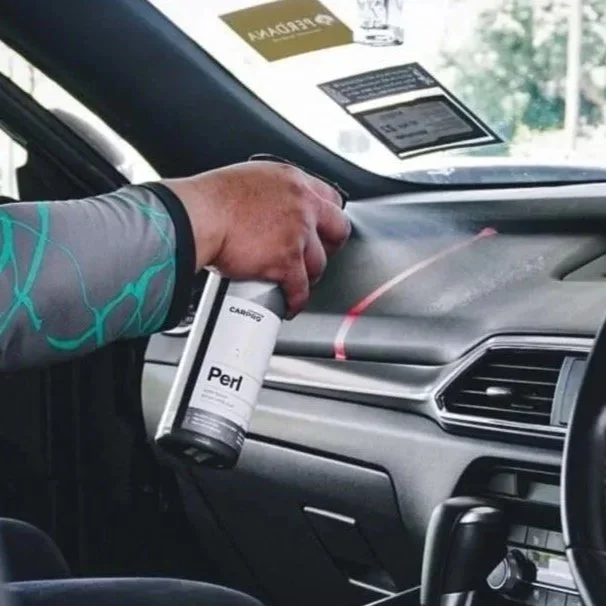
Eco-Friendly and Extremely Gentle Hand Wash.
Decontamination of Paint with Clay Bar.
Crystal Clear Windows/Protected with Spray Wax.
Rims, Wheel Wells, Exhaust Steam Clean / Protected with Spray Wax, Tires Dressed, Door Jams.
One Stage Polish apply to eliminate Swirls, Holograms, Waterspot, Saps, Minor oxidation and overspray.
Hand Application of Carnauba Wax or Paint Sealant to Paintwork
What Customers Say About Us
THE RESTORATION PROCESS - PROFESSIONAL SAP DISSOLUTION PROTOCOL
Why DIY Solvents Damage Paint - The Chemical Incompatibility Problem
Tree sap is organic resin requiring solvent dissolution—it cannot be wiped or scraped off without paint damage. Household solvents (rubbing alcohol, nail polish remover, WD-40, Goo Gone) work by aggressively breaking down organic compounds—but they attack both sap AND automotive clear coat simultaneously. These products strip wax, remove sealants, and dull clear coat finish while removing sap, creating more damage than the original contamination.
Our Three-Stage Safe Sap Removal System:
Stage 1 - pH-Balanced Automotive Solvent Application
We use professional automotive tar and sap removers (pH 7.0-8.0) specifically formulated to dissolve tree resin without attacking clear coat chemistry. These specialized solvents contain surfactants targeting organic resins while remaining neutral to automotive paint polymers—unlike household products (pH 4.0-6.0 or 9.0-11.0) that damage protective coatings. Application requires 3-5 minutes dwell time allowing chemical penetration into hardened sap without aggressive scrubbing damaging paint surface.
Stage 2 - Clay Bar Decontamination for Embedded Sap
After solvent treatment, clay bar removes sap that's bonded below surface level. San Diego's intense UV exposure (3,000+ hours annually) bakes tree sap into clear coat within 24-48 hours through photochemical bonding—creating permanent adhesion mechanical removal cannot address. Professional detailing clay (fine grade, lubricated application) mechanically shears bonded sap from paint surface without abrading clear coat—impossible with household scraping or ice cube methods that scratch and mar finish.
Stage 3 - Paint Correction & Sealant Restoration
Sap contamination often causes etching, discoloration, or dullness where resin has chemically reacted with clear coat. We use machine polishing (1,500-2,000 OPM) with finishing polish removing residual staining and restoring gloss to affected areas. Final stage includes sealant or ceramic coating application creating protective barrier preventing future sap adhesion—critical in tree-covered San Diego neighborhoods where re-contamination occurs weekly during high-sap seasons (spring/summer).
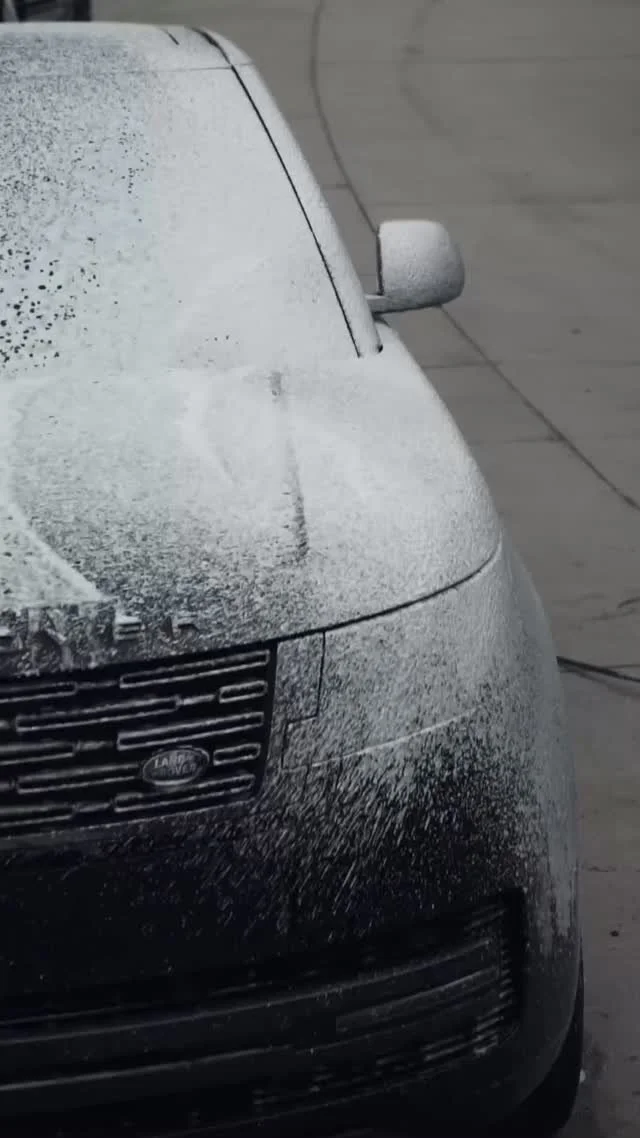
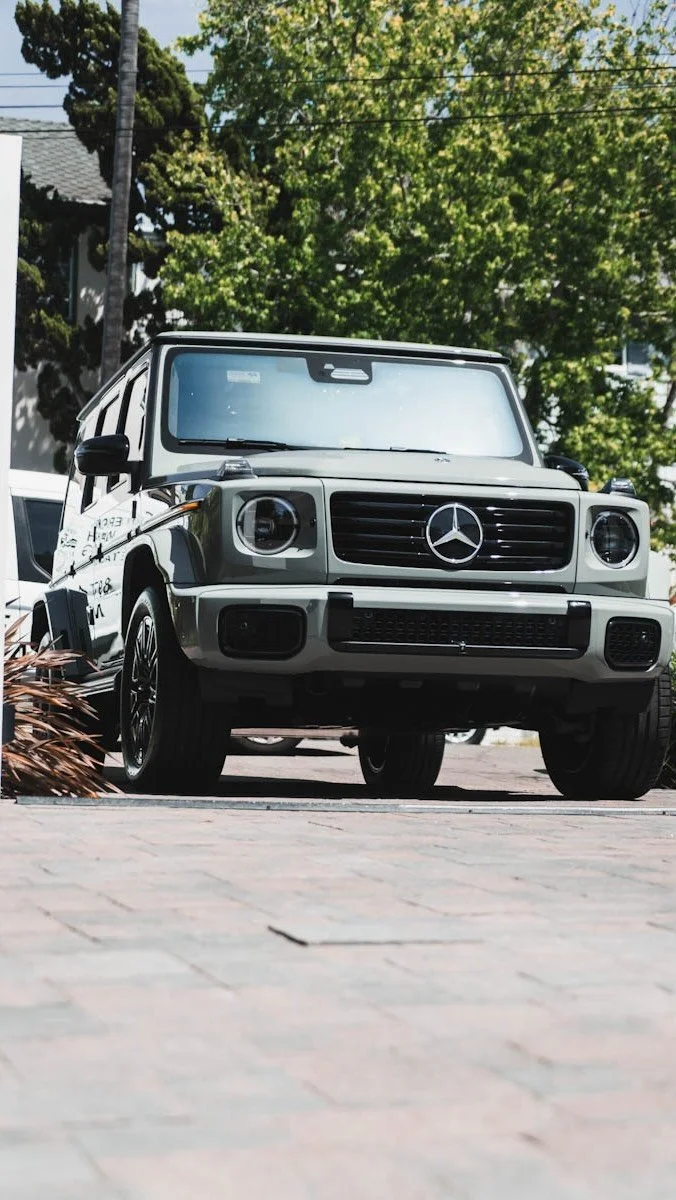
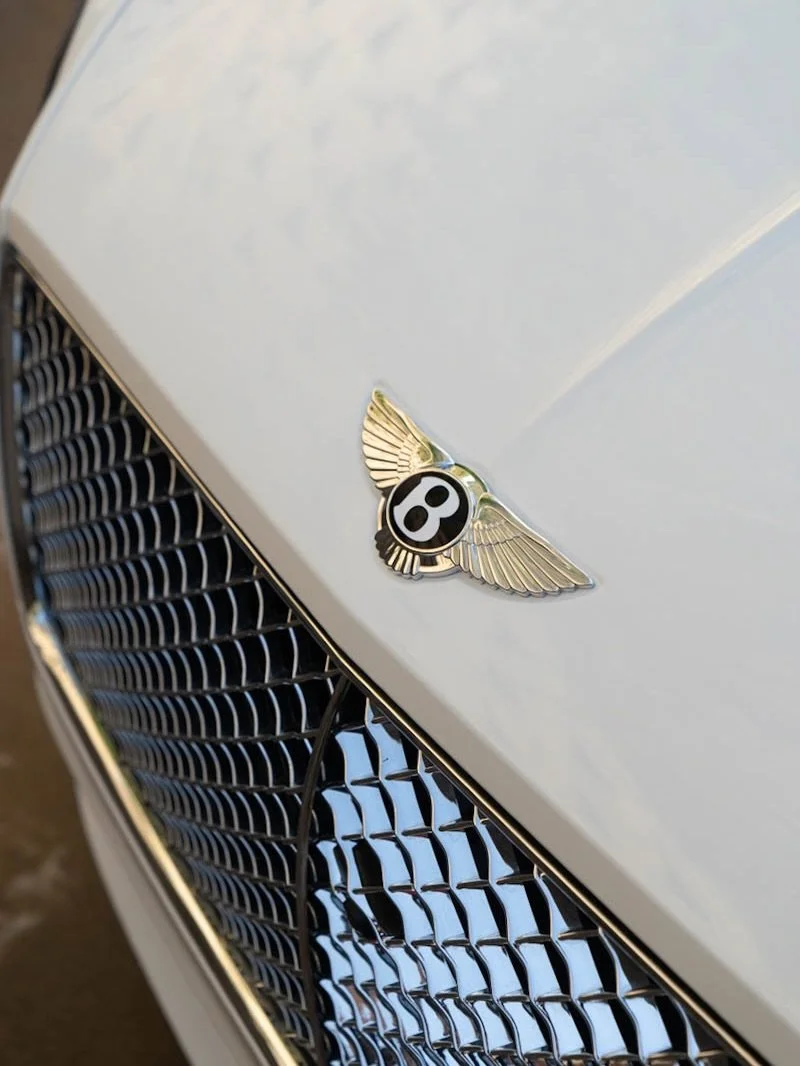
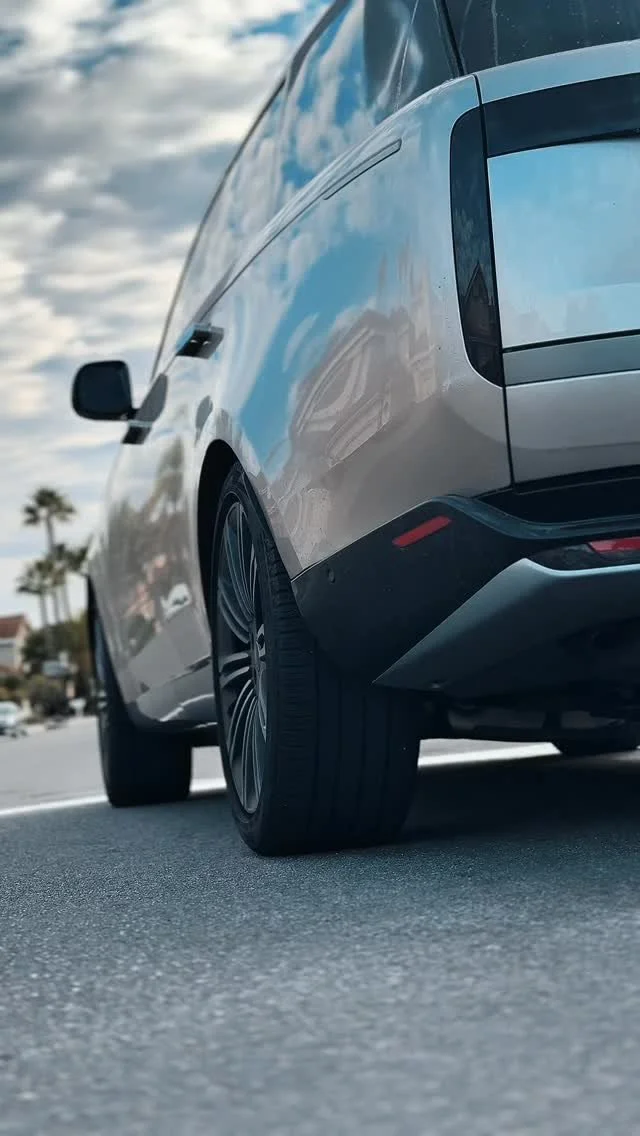
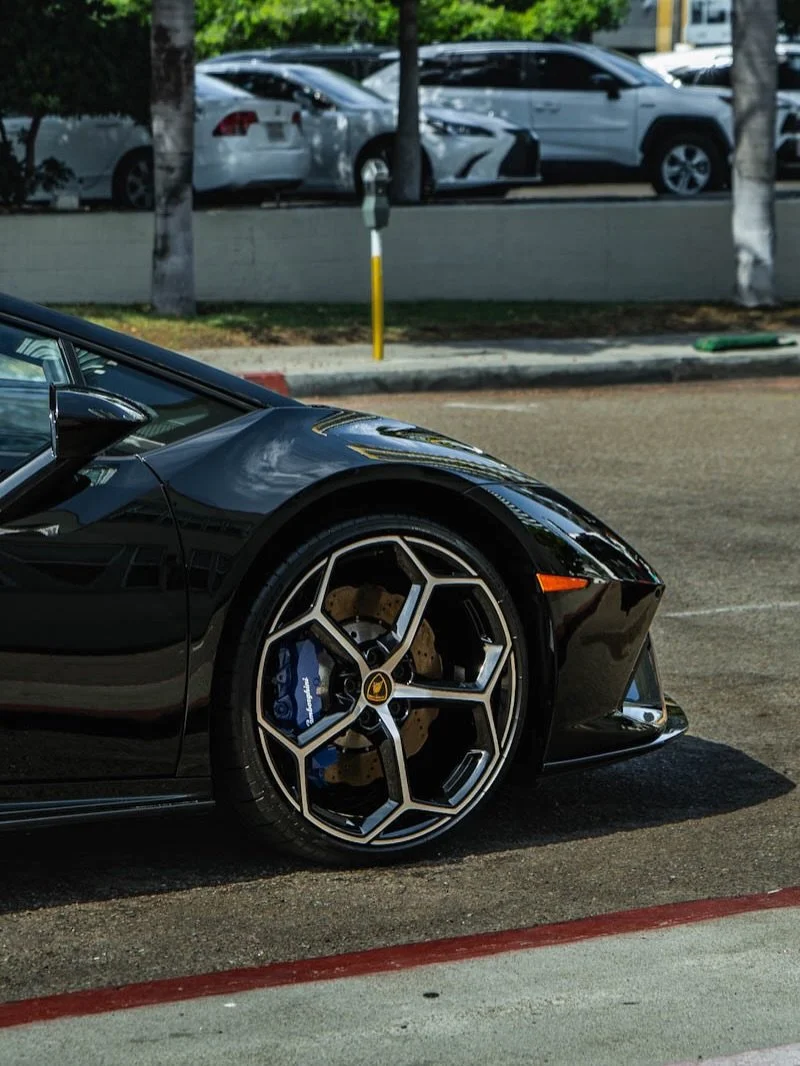
Our Mobile Detailing Work


THE SAN DIEGO TREE SAP CHALLENGE
Why San Diego Sap Is Severe - Eucalyptus, Pine & UV Exposure
San Diego's urban forest composition creates unique sap contamination patterns requiring specialized treatment knowledge. Different tree species produce chemically distinct resins responding to different removal approaches.
Eucalyptus Sap (Most Common San Diego Contamination): Eucalyptus groves throughout San Diego County (Balboa Park, Old Poway, Rancho Bernardo, Scripps Ranch) drop sticky resin year-round. Eucalyptus sap contains high terpene concentrations making it exceptionally sticky and UV-reactive—bonding to paint within 12-24 hours of exposure faster than other tree varieties. This resin darkens from clear to brown as UV oxidizes it, creating permanent staining if not removed within 48 hours.
Pine & Conifer Resin: Pine trees in mountain communities (Julian, Alpine, Palomar) and coastal zones produce thick amber resin especially heavy during spring warmth. Pine sap hardens rapidly in San Diego sun forming rock-solid deposits household solvents cannot penetrate. Professional heat application (120-140°F) softens hardened pine resin before solvent treatment—technique DIY attempts never achieve.
Oak & Sycamore Drip: Oak canopies in historic neighborhoods (Old Town, Mission Hills) and sycamores lining streets drop sticky honeydew (insect secretions, not true sap) and actual sap creating multi-layer contamination. These require sequential treatment—water-based cleaners for honeydew, then solvent treatment for actual tree resin underneath.
The UV Bonding Accelerator: San Diego's 3,000+ hours annual sunshine and UV index 9-11 summer ratings accelerate sap bonding exponentially. UV radiation causes photochemical cross-linking between tree resin organic compounds and clear coat polymers—creating permanent molecular bonds within 24-48 hours. Cold climates experience slower bonding (5-7 days) allowing easier removal, but San Diego's intense sun makes immediate professional treatment essential.

EXTERIOR DETAILING SAN DIEGO
Eco-Friendly and Extremely Gentle Hand Wash.
Decontamination of Paint with Clay Bar.
Crystal Clear Windows/Protected with Spray Wax.
Rims, Wheel Wells, Exhaust Steam Clean / Protected with Spray Wax, Tires Dressed, Door Jams.
One Stage Polish apply to eliminate Swirls, Holograms, Waterspot, Saps, Minor oxidation and overspray.
Hand Application of Carnauba Wax or Paint Sealant to Paintwork.
WHY FRESH LAYER PROFESSIONAL SAP REMOVAL
Automotive Chemistry + Tree Species Expertise = Safe Complete Removal
We bring professional automotive solvents and decontamination equipment directly to tree-covered San Diego locations—no transporting sap-covered vehicles to shops where sun continues baking resin during wait times.
What separates professional from DIY:
Automotive-Grade Solvents: pH-balanced (7.0-8.0) tar and sap removers safe for clear coat vs. household products (rubbing alcohol pH 5.5, nail polish remover pH 6.0) stripping protective coatings
Clay Bar Decontamination: Professional-grade clay mechanically removing bonded sap vs. ice cube scraping or razor blade methods scratching and marring paint
Heat Treatment Capability: Controlled 120-140°F application softening hardened pine resin vs. dangerous DIY blowtorch attempts causing paint damage
Tree Species Knowledge: Understanding eucalyptus terpene chemistry, pine hardening characteristics, oak honeydew layers requiring different treatment sequences
Paint Correction Equipment: Machine polishing (1,500-2,000 OPM) removing residual staining and etching sap contamination creates
Ceramic Coating Prevention: Hydrophobic barriers causing sap to bead and release easier vs. bare paint where resin bonds permanently
Tree-Coverage Neighborhood Expertise: Understanding high-contamination areas (Balboa Park vicinity, Old Poway eucalyptus, Rancho Santa Fe estates) and seasonal patterns
Professional Tree Sap Removal Pricing
Starting at $299
(varies by sap quantity, contamination severity, paint etching damage, and ceramic coating application)
Call (619) 874-4115 for same-day removal or book online. Stop using household solvents damaging your paint—our automotive-grade chemistry removes tree sap safely while preserving clear coat protection and finish quality.
Safe removal guaranteed - no paint damage or service refunded.
FREQUENTLY ASKED QUESTIONS
-
Professional tree sap removal starts at $150 for light sap contamination on single panels (hoods, roofs) using solvent treatment and clay bar decontamination. Moderate to heavy sap across multiple panels with paint etching ranges $250-400 including machine polishing and correction. Severe contamination with hardened pine resin requiring heat treatment plus ceramic coating protection ranges $400-800 depending on vehicle size and affected area. Pricing depends on sap quantity, how long it's been baking in sun (bonding severity), tree type (eucalyptus vs. pine vs. oak), and whether protective coating application is added.
-
Rubbing alcohol (isopropyl, pH 5.5) and WD-40 are aggressive solvents dissolving organic compounds indiscriminately—they attack tree sap AND automotive wax, sealants, and clear coat polymers simultaneously. While removing sap, these products strip protective coatings, dull paint finish, and can cause clear coat hazing requiring professional correction to repair. Automotive tar and sap removers (pH 7.0-8.0) use surfactant chemistry targeting resin molecules specifically while remaining neutral to paint protection—safely removing sap without collateral damage household products cause.
-
Yes, if left untreated in San Diego sun. UV exposure causes photochemical cross-linking between sap organic compounds and clear coat polymers, creating permanent molecular bonds within 24-48 hours. After bonding, sap cannot be removed without taking damaged clear coat layer with it—requiring professional paint correction or wet sanding to restore finish. Additionally, sap acts as UV lens concentrating sunlight onto paint underneath, accelerating oxidation and creating permanent discoloration. Eucalyptus sap oxidizes brown creating staining penetrating deep into clear coat impossible to polish out completely after 72+ hours exposure.
-
Tree sap removal requires 1-3 hours depending on contamination severity. Light surface sap on single panels takes 1-2 hours for solvent treatment, clay bar decontamination, and sealant application. Moderate multi-panel contamination with bonded sap requires 2-3 hours including machine polishing for residual staining. Heavy contamination with hardened pine resin and extensive etching takes 3-4 hours for complete treatment including heat application, correction, and ceramic coating protection. We provide same-day mobile service throughout San Diego County with typical 3-4 hour response time.
-
Sap returns if you continue parking under trees without protection. Tree species sap during specific seasons—eucalyptus year-round with peaks in spring/summer, pine heavily in spring warmth, oak during flowering periods. Ceramic coating (included in our service) creates hydrophobic barrier causing sap to bead and release much easier during washing rather than bonding to bare paint. Coating reduces bonding by 70-80% but doesn't eliminate sap dropping on vehicles. Relocating parking spots away from tree canopies is most effective prevention.
CONCLUSION
Don't Let Tree Sap Permanently Etch Your Paint
Tree sap isn't a simple cleaning issue—it's organic resin requiring professional solvent chemistry for safe removal without paint damage. San Diego's eucalyptus groves, pine trees, and oak canopies combined with 3,000+ hours annual UV exposure create photochemical bonding within 24-48 hours that DIY methods cannot address safely. Household solvents (rubbing alcohol, nail polish remover, WD-40) damage paint protection while removing sap, creating more problems than they solve.
Fresh Layer's tree sap removal service uses pH-balanced automotive solvents dissolving resin without attacking clear coat, professional clay bar removing bonded contamination, and machine polishing eliminating residual staining—results household products physically cannot achieve safely. We understand eucalyptus terpene chemistry, pine hardening characteristics, and UV bonding timelines requiring urgent professional intervention.
Call (619) 874-4115 now for same-day service. Stop using damaging household solvents attempting removal yourself. We eliminate tree sap completely using automotive-grade chemistry preserving your paint protection and finish quality, backed by our no-damage guarantee.