How to Spot Fake Ceramic Coating Products Online
Fake ceramic coating products are everywhere on Amazon, eBay, and AliExpress, and most buyers have no idea they've been taken until the "coating" washes off in a month. A real ceramic coating bonds chemically to your car's clear coat using silicon dioxide (SiO2) or polysilazanes. A fake one is usually a glorified spray wax with impressive marketing and a $19.99 price tag.
At Fresh Layer, we've watched this play out more times than we can count. A customer in Hillcrest or North Park buys a $30 "9H nano ceramic" kit, spends a Sunday applying it, feels good about it. Three months later they're texting us photos of water sheeting flat off their paint and a residue that won't come off. Sometimes we can fix it. Sometimes the bonding issues have to be worked out before anything real can go on.
This guide covers the real signs of fake ceramic coating products, how to actually read a label, what quick tests to run before you trust a product, and when it makes more sense to skip the DIY route entirely.
Why Fake Ceramic Coating Products Are a Real Problem
What "Ceramic Coating" Is Supposed to Do
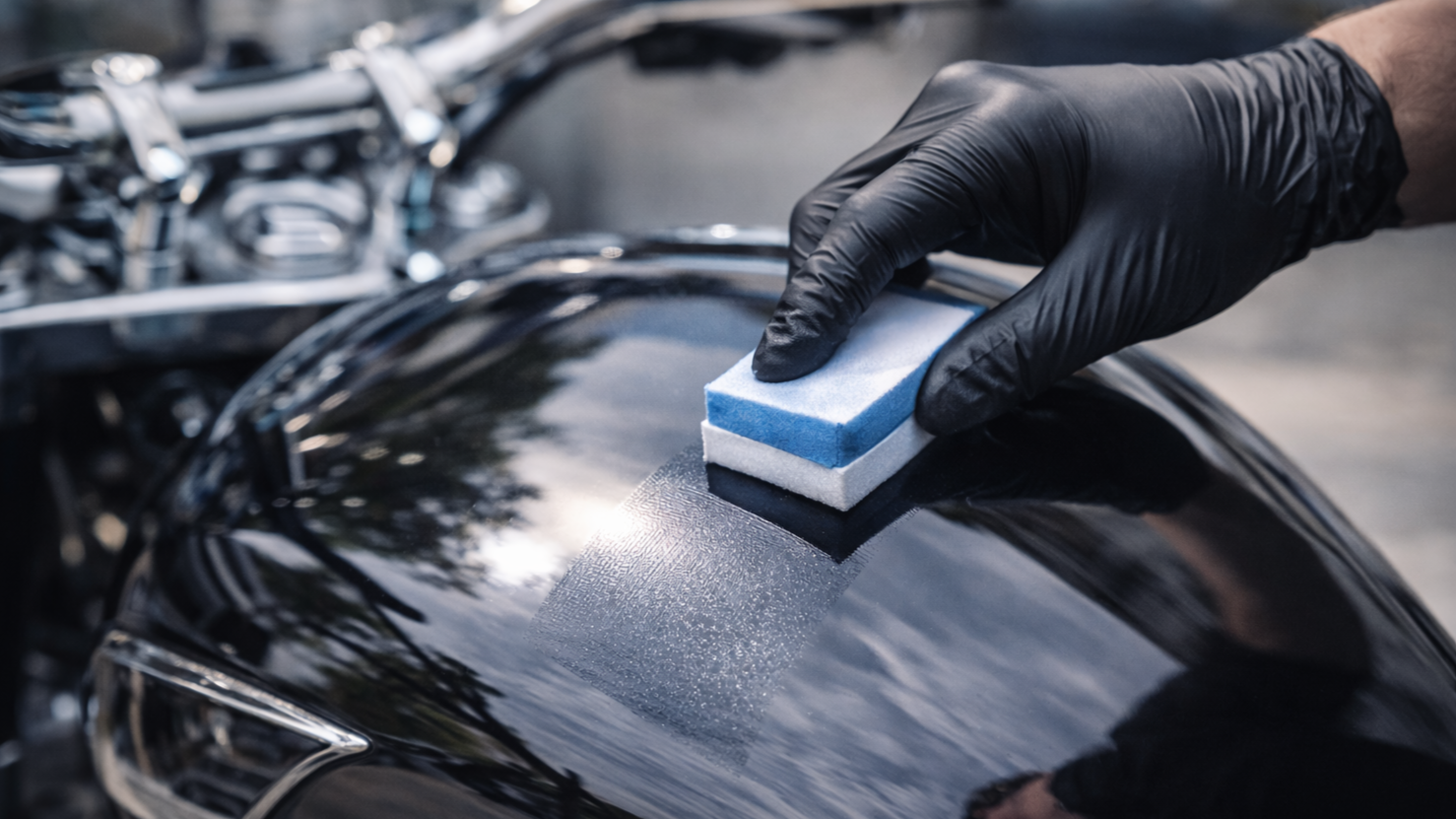
A real ceramic coating does one thing extremely well: it forms a chemical bond with your clear coat and creates a hydrophobic barrier that sheds water, cuts UV exposure, and makes washing significantly faster. Legitimate coatings from verified brands hold up for two to five years with basic upkeep.
What it does NOT do: stop rock chips, scratch-proof your paint, or make washing unnecessary. Any product claiming otherwise is misrepresenting itself. Real ones don't promise miracles because they don't need to.
The Rise of Cheap "Ceramic" Kits Online
Type "ceramic coating" into Amazon. You'll get hundreds of results, most under $30, all promising professional protection. The labels know the vocabulary: "9H hardness," "nano ceramic," "SiO2 formula," "professional grade." The packaging could pass for something real.
Here's what nobody tells you: "ceramic" isn't a regulated term for automotive products. A company can slap it on a bottle of diluted polymer spray and call it a ceramic coating. There's no enforcement, no minimum SiO2 requirement, no standard to meet. That loophole is exactly where fake ceramic coating products do their best business.
Risks of Using Counterfeit or Low-Quality Coatings on Your Car
Best case with a counterfeit coating: it washes off in a few weeks and you wasted a Sunday. Worst case: it leaves a greasy, semi-cured residue bonded to your clear coat that doesn't respond to normal washing, IPA wipes, or light polishing. We've had San Diego customers come to us after DIY coating attempts that needed a full decontamination wash, a clay bar pass, and a polish just to get back to baseline before anything real could go on.
Primary Red Flags of Fake Ceramic Coating Products
Too-Good-to-Be-True Claims and Marketing Buzzwords
Spotting fake ceramic coating products starts with what the label promises. Real coatings have real limitations. A ceramic coating scam almost never admits that. Watch for phrases like:
"Permanent protection" or "lifetime coating"
"Stops rock chips and scratches"
"Apply in minutes, no prep needed"
"9H hardness equals bulletproof paint"
That 9H hardness claim is the oldest move in the book. It refers to a pencil hardness rating on the Mohs scale not impact resistance, not scratch immunity, not anything close to bulletproof. Real manufacturers list it as one data point. Fake products make it the entire pitch.
Suspiciously Cheap Pricing and "Limited-Time" Deals
Real consumer-grade coatings from brands that actually exist run $75 to $150 per kit. If a product promises the same chemistry for $19.99, someone is lying to you. Pharmaceutical-grade SiO2, clean solvents, UV inhibitors the raw materials alone cost more than that to source at any meaningful concentration.
Flash sales, free sample offers, and deep discount bundles are standard tactics in a ceramic coating scam. They move low-quality or counterfeit ceramic coating products quickly before buyers do any research. If the deal feels impossible, it is.
Generic Branding, Missing Company Info, and No Support
Before putting any coating on a customer's car, we want to know who actually makes it. Real ceramic coating brands have a real company behind them: a website with a physical address and phone number, a warranty with an actual claims process, published technical data sheets, and a presence in the detailing industry that predates your search. Fake ceramic coating products usually have:
Brand names designed to look vaguely like something real
No phone number, no address, no support contact
A vague "satisfaction guarantee" with no process behind it
Listings that appear and disappear on marketplace platforms
How to Read the Label Like a Pro
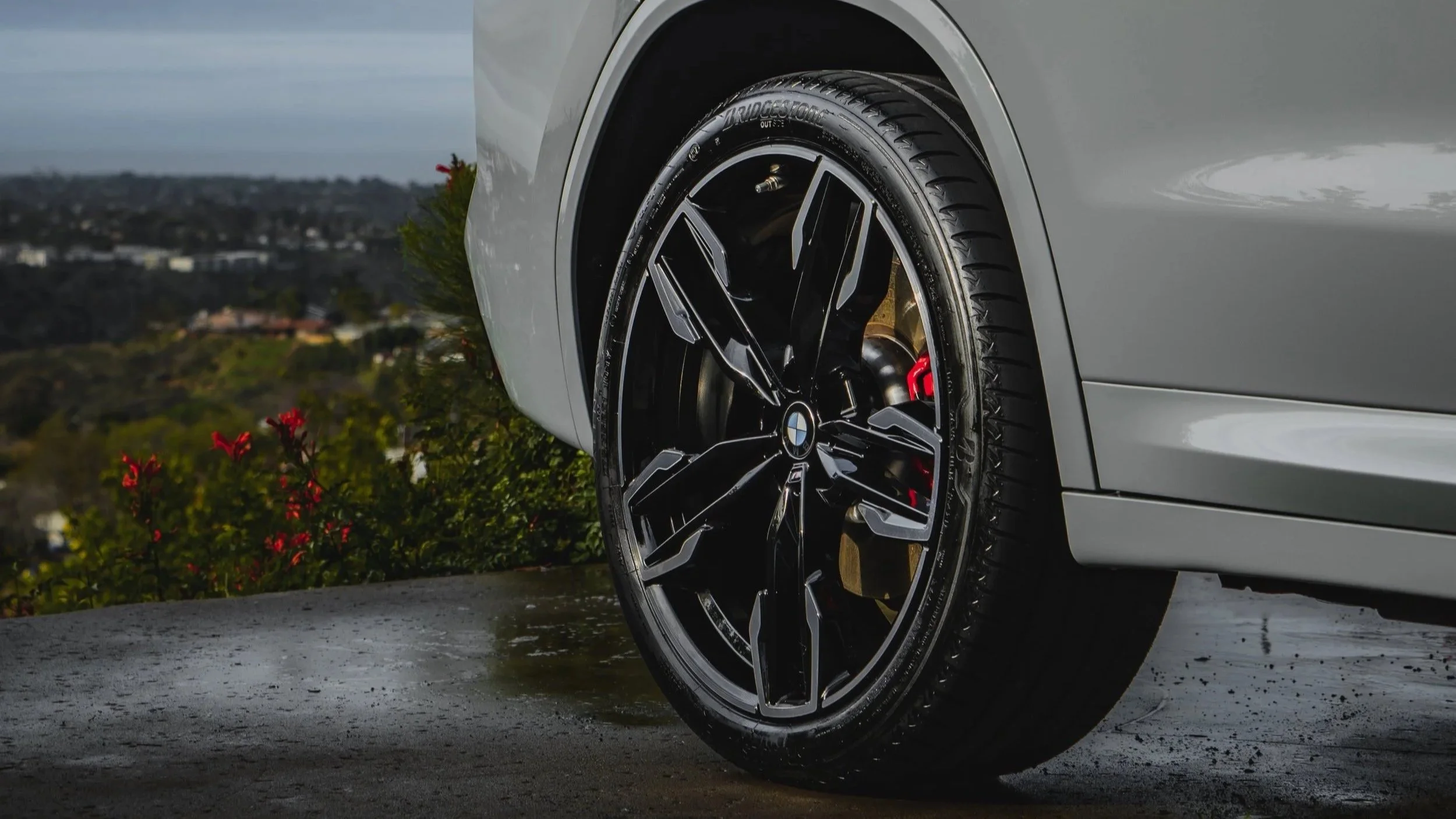
Essential Details Every Real Ceramic Coating Label Should Show
A label on a real product tells you who made it (full name, physical address), what's in it (at minimum, a chemistry description), how to apply it (step-by-step, not just "apply and wipe"), how long it needs to cure, and how to store it. If you're holding a bottle where the only technical information is "9H hardness" and "advanced nano technology," you already know what you've got.
Ingredient Clues: SiO2, Polysilazanes, and What They Mean
Consumer-grade coatings are mostly SiO2-based. Professional coatings, like what we use at Fresh Layer, run on polysilazane chemistry harder, longer-lasting, and not something you'll find on Amazon for $29. The smell is a real tell: genuine coatings have a sharp chemical smell during application, similar to ammonium hydroxide, from the chemistry reacting with air humidity. If your "ceramic coating" smells like a pine tree air freshener, it's a pine tree air freshener.
Spelling Errors, Vague Descriptions, and Fake Certifications
Counterfeit products give themselves away with small details: inconsistent fonts, spelling errors on the label, or certifications from organizations that don't exist or have nothing to do with automotive coatings. Look up any certification listed. If a two-minute search doesn't confirm it, treat it as decoration.
Pricing Traps: When "Affordable" Really Means Fake
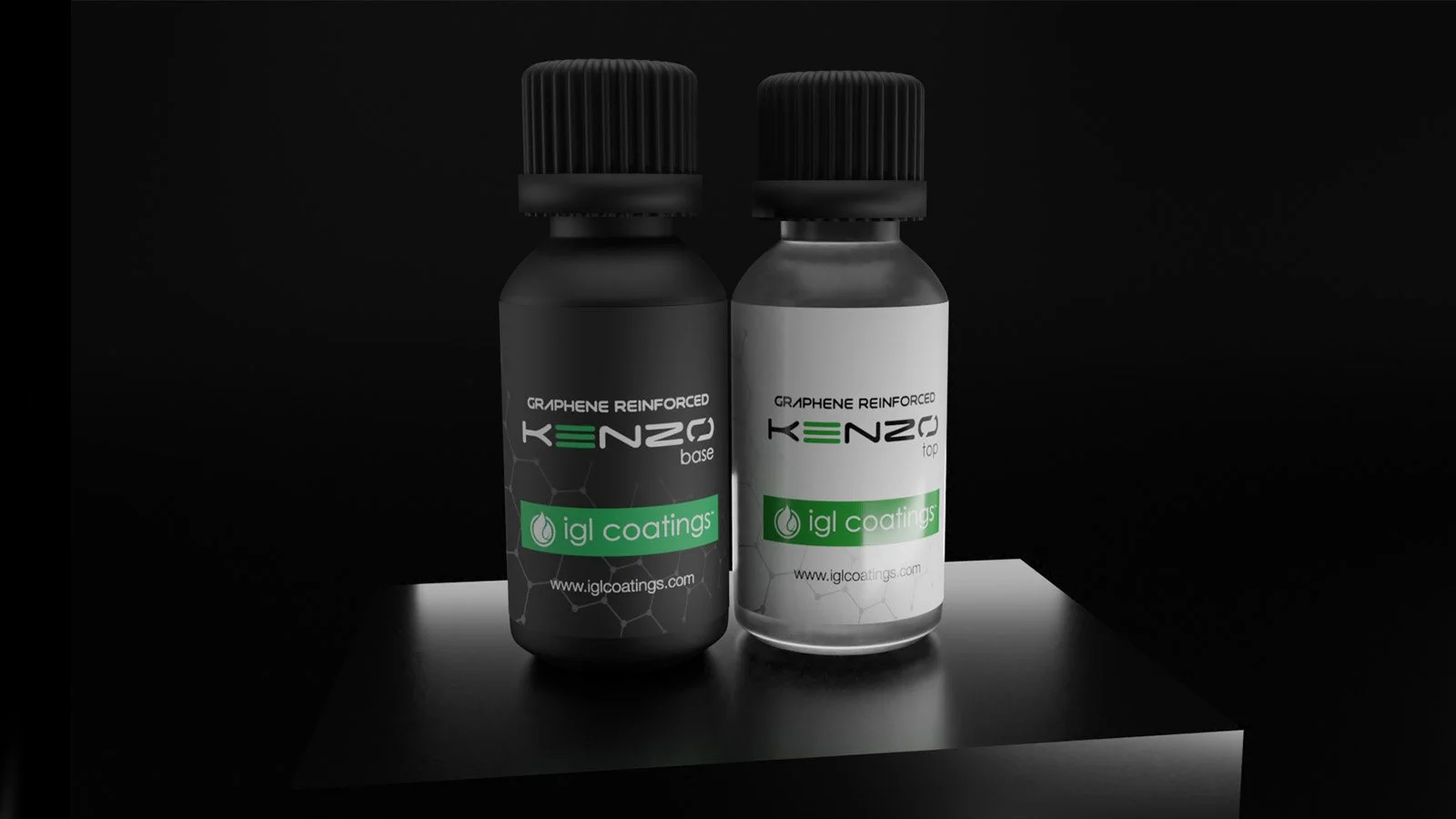
Typical Price Ranges for Genuine Consumer and Pro-Grade Coatings
Consumer ceramic coatings from established brands run $75 to $150 for a kit that covers one vehicle. Professional-grade coatings the kind applied by a certified detailer under controlled conditions go significantly higher, because the chemistry is stronger and the process is much more involved.
If a product promises professional results out of a $25 consumer kit, the math doesn't add up. A cheap ceramic coating at that price point is almost always a sealant, a polymer spray, or an outright counterfeit with great packaging.
Why $20 "9H Nano Ceramic" Bottles Are a Red Flag
The cheap ceramic coating market runs on consumer confusion about technical-sounding terms. "Nano ceramic" and "9H" appear on bottles with no meaningful SiO2 content in some cases, independent detailing communities have tested these products and found no detectable silica chemistry at all. Zero.
At that price, you're buying a wax or spray polymer dressed in industry language. It'll make the paint look shiny for a few weeks. It isn't forming a chemical bond with your clear coat.
How Scammers Use Discounts, Bundles, and "Free Sample" Offers
New fake ceramic coating product listings typically launch with a flood of reviews and aggressive introductory pricing. Bundles that include an applicator, a buffing cloth, and a spray bottle make the kit look more professional than it is. Free sample offers exist specifically to get the product in your hands before you've had time to research the brand. By the time you figure out it doesn't work, the review window is closed.
Real vs Fake Ceramic Coating: Simple At-Home Tests
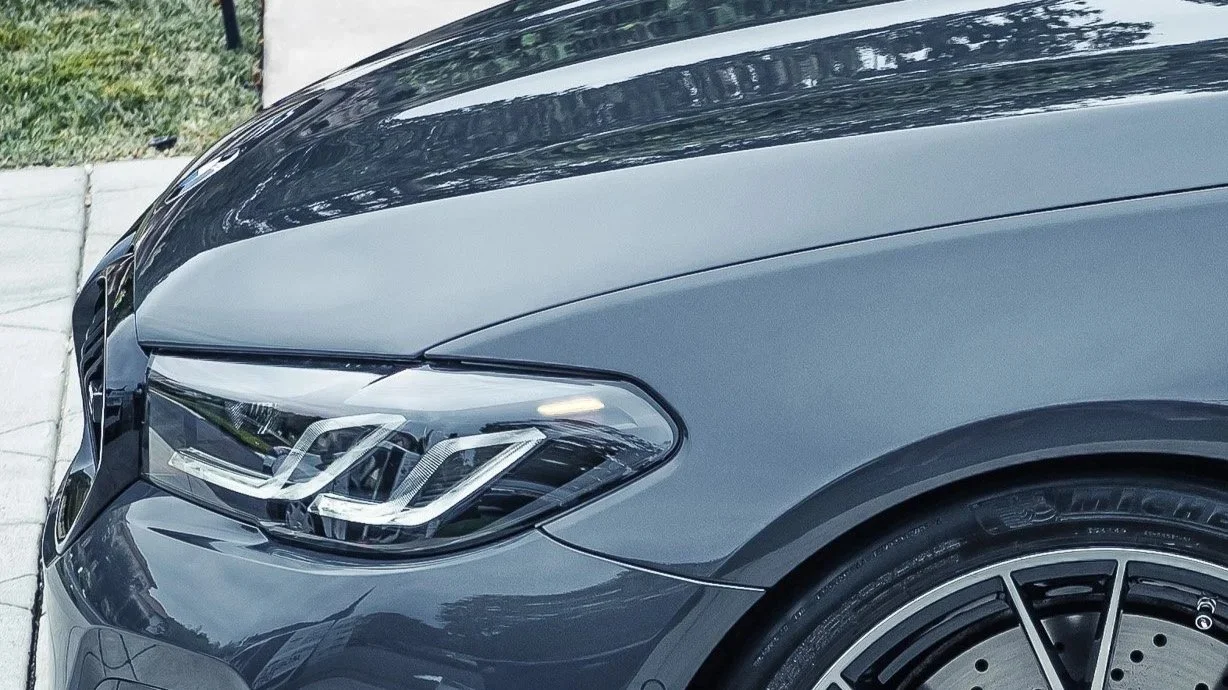
Water-Beading and Sheeting Test After Application
Give the product its full cure time 24 to 48 hours for consumer coatings, not two hours because you're impatient. Then hit the panel with water. A real ceramic coating forms tight, round beads with a high contact angle that roll off without any help. A fake product or spray sealant sheets water across the surface or forms flat, wide beads that just sit there.
If the beading disappears after one or two washes, you have a wax or sealant. That's all.
Basic Chemical-Resistance Check Using Safe DIY Methods
Pick a panel you're not worried about a door jamb, a lower door, anywhere non-visible and wipe it with 70% isopropyl alcohol on a clean microfiber. A real ceramic coating is chemically stable and won't react. A polymer spray wax will streak and dull almost immediately because IPA cuts right through it. This test takes two minutes and won't hurt your paint. It tells you everything you need to know.
What Realistic 6-12 Month Performance Should Look Like
Even a good ceramic coating won't keep your car clean on its own. In San Diego, bird droppings and sap from jacaranda trees still need to come off fast or they'll etch the clear coat. Hard water from San Diego's tap supply (around 300 ppm) still leaves mineral deposits if the car air-dries. A real coating makes maintenance faster and easier. Anyone telling you it eliminates maintenance entirely is selling you fake ceramic coating products, even if the bottle looks legitimate.
Checking the Brand and Manufacturer

How to Research the Brand's Website, History, and Support
Search the brand name with "forum" or "detailing community" attached. Real brands get talked about in places like DetailingWorld and AutoGeek because pro detailers have actually used them. A real coating manufacturer publishes a technical data sheet (TDS) on their website because professional installers won't apply anything without one. If you search a brand and find only their own Amazon listing and a handful of suspiciously enthusiastic blog posts, you're looking at a cheap ceramic coating with no credibility outside its own marketing.
Using Reviews the Right Way (and Spotting Fake Reviews)
The reviews worth reading describe real application conditions: what temperature, what surface prep, how the coating held up after six months and twenty washes. "Makes my car super shiny!!" is not a review. A cluster of five-star write-ups posted the same week a listing goes live is a classic ceramic coating scam move these counterfeit ceramic coating product brands get flagged, rebrand, and relaunch on the same platform within a few weeks. The reviews travel with them.
Signs a Detailer Might Be Using Fake Ceramic Coating Products
If you're hiring a shop, ask exactly which coating they use. A professional installer can name the brand, pull out the bottle, and tell you the cure time, the expected longevity, and the maintenance schedule. If a detailer talks about their "proprietary nano ceramic formula" but can't show you the actual product, push harder. Certified Gtechniq installers are listed publicly on Gtechniq's website. If someone claims certification and isn't on the list, they aren't certified.
Frequently Asked Questions
How much should a real consumer-grade ceramic coating cost?
Real consumer-grade coatings from brands that actually have a reputation run $75 to $150 per kit. If it's $19.99 with free Prime shipping and promises the same results, it does not contain the same chemistry pharmaceutical-grade SiO2, clean solvents, and UV stabilizers cost more to source than that. Professional-grade coatings installed by a certified detailer go higher, because the prep work alone takes several hours before coating touches paint.
What ingredients should I look for in a real ceramic coating?
Look for silicon dioxide (SiO2) listed as an active ingredient, ideally at 50% concentration or higher. Polysilazanes are the step up harder, longer-lasting, more common in professional coatings. If a product buries "aqueous SiO2" at the bottom of its ingredient list, or skips active chemistry entirely, it isn't forming a real hydrophobic bond. Real products also smell like real chemistry during application a sharp, ammonium hydroxide-type smell. If it smells like cologne, it's cologne.
Can fake ceramic coating products damage my car's paint?
Direct chemical damage is rare. What actually happens is more frustrating: fake coatings leave a semi-cured residue that bonds to your clear coat and won't come off with normal washing, polishing, or IPA wipes. Getting it clean enough to apply a real coating afterward costs extra time and labor. We've had San Diego customers turn a straightforward $600 job into a $900 one because they spent a weekend on a $25 kit first.
How do I test whether a ceramic coating is actually working?
Water bead test is the fastest. After a full cure, spray water on the panel. Real ceramic coatings produce tight, round beads with a sharp contact angle that roll off on their own. Wide, flat beads that just sit there or water sheeting flat means wax or sealant. Second check: wipe a small area with 70% isopropyl alcohol on a microfiber. A real coating won't react. A polymer product will streak and dull immediately.
What claims should make me skeptical of a ceramic coating product?
"Permanent protection" and "stops rock chips" are the biggest red flags. Ceramic coating is chemistry, not armor real rock-chip protection requires paint protection film, a physical barrier. "9H hardness" as a headline claim with no context is the most overused ceramic coating scam phrase in the industry. Any product under $50 promising multi-year results doesn't have the ingredients to deliver them. Honest brands document both what their product does and what it doesn't.
Skip the Guesswork: How Fresh Layer Handles Ceramic Coating in San Diego
If you'd rather not spend a Saturday sorting through fake ceramic coating products on Amazon and hoping for the best, we make it simple. Fresh Layer is Gtechniq-certified and IDA-certified both require verified product knowledge and hands-on installation skills, not just a paid badge. We use professional-grade coatings on every job and can show you the product, the data sheet, and the warranty before we start.
Every ceramic coating service begins with a full paint decontamination, clay bar treatment, and a paint inspection under high-intensity lighting. If your paint has swirl marks or oxidation, we correct those first. A coating applied over existing defects locks them in permanently which is exactly what happens at shops that skip the prep to save time.
Our ceramic coating services in San Diego range from $599 to $1,499 depending on the vehicle and coating tier. We come to your location anywhere in San Diego County a Hillcrest apartment, a Carmel Valley driveway, a Kearny Mesa business lot. No shop drop-off, no waiting room. See exactly what's included on our San Diego ceramic coating service page.
Not ready to guess on a $30 Amazon kit? Fresh Layer Mobile Detailing covers all of San Diego County with professional-grade mobile ceramic coating services. Call (619) 874-4115