Combining Ceramic Coating & Paint Protection Film (PPF): What You Need to Know
You've probably heard conflicting advice about whether you can or should put ceramic coating over paint protection film. Some detailers swear by it. Others say it's a waste of money.
🛡️ Quick Summary: PPF + Ceramic Coating
Yes, you can layer them: Ceramic coating should always be applied over the PPF, never under.
Physical vs. Chemical: PPF stops rock chips; Ceramic coating repels water, dirt, and UV rays.
San Diego Climate: The combination is highly recommended locally to combat salt air and intense UV degradation.
Maintenance: Coated PPF stays cleaner longer and is significantly easier to wash.
Curing Time: Wait 24–48 hours after PPF installation before applying the coating.
The short answer is yes, you can apply ceramic coating over PPF. The better question is whether you should, and that depends entirely on what you're trying to protect, how you use your vehicle, and what you're willing to maintain.
At Fresh Layer, we've applied ceramic coatings over PPF on everything from daily drivers to show cars, and we've seen what works and what doesn't. This isn't theory—it's what happens in the real world when you combine these two protection methods.
Understanding What Each Protection Layer Actually Does
Before you can make a smart decision about combining PPF and ceramic coating, you need to understand what each one protects against. They're not interchangeable, and they don't do the same job.
PPF Protection
Paint protection film is a thick, clear urethane layer that sits on top of your paint. Think of it as a sacrificial barrier. When rocks, debris, or door dings hit your car, the PPF absorbs the impact instead of your paint.
High-quality PPF is self-healing, meaning minor scratches and swirl marks disappear when exposed to heat. The film itself is typically 6-8 mils thick—thick enough to stop physical damage but thin enough to be nearly invisible when installed correctly.
PPF excels at preventing rock chips, scratches from branches or tight parking spots, and minor impacts. It also protects against chemical etching from bird droppings, bug splatter, and tree sap, though it doesn't prevent these contaminants from sticking to the surface.
The film itself will yellow over time if it's not a high-quality product with UV inhibitors, and it requires regular cleaning to maintain clarity.
Ceramic Coating
Ceramic coating works completely differently. It's a liquid polymer that chemically bonds with your paint or, in this case, your PPF.
The coating creates a hydrophobic layer that causes water to bead up and roll off, taking dirt and contaminants with it. Think of it as a super-slick protective shell that makes everything slide off easier.
Where ceramic coating shines is in reducing how much dirt, grime, and contaminants stick to your car's surface. It doesn't stop rock chips or prevent scratches the way PPF does.
What it does is make your car significantly easier to wash and keep clean. Water spots have a harder time forming. Bird droppings and bug guts wipe off with less effort. Road grime doesn't bond as aggressively to the surface.
The key difference: PPF is physical armor. Ceramic coating is a chemical barrier that changes how your car's surface interacts with the environment.
How Layering Actually Works (And Why It's Not Redundant)
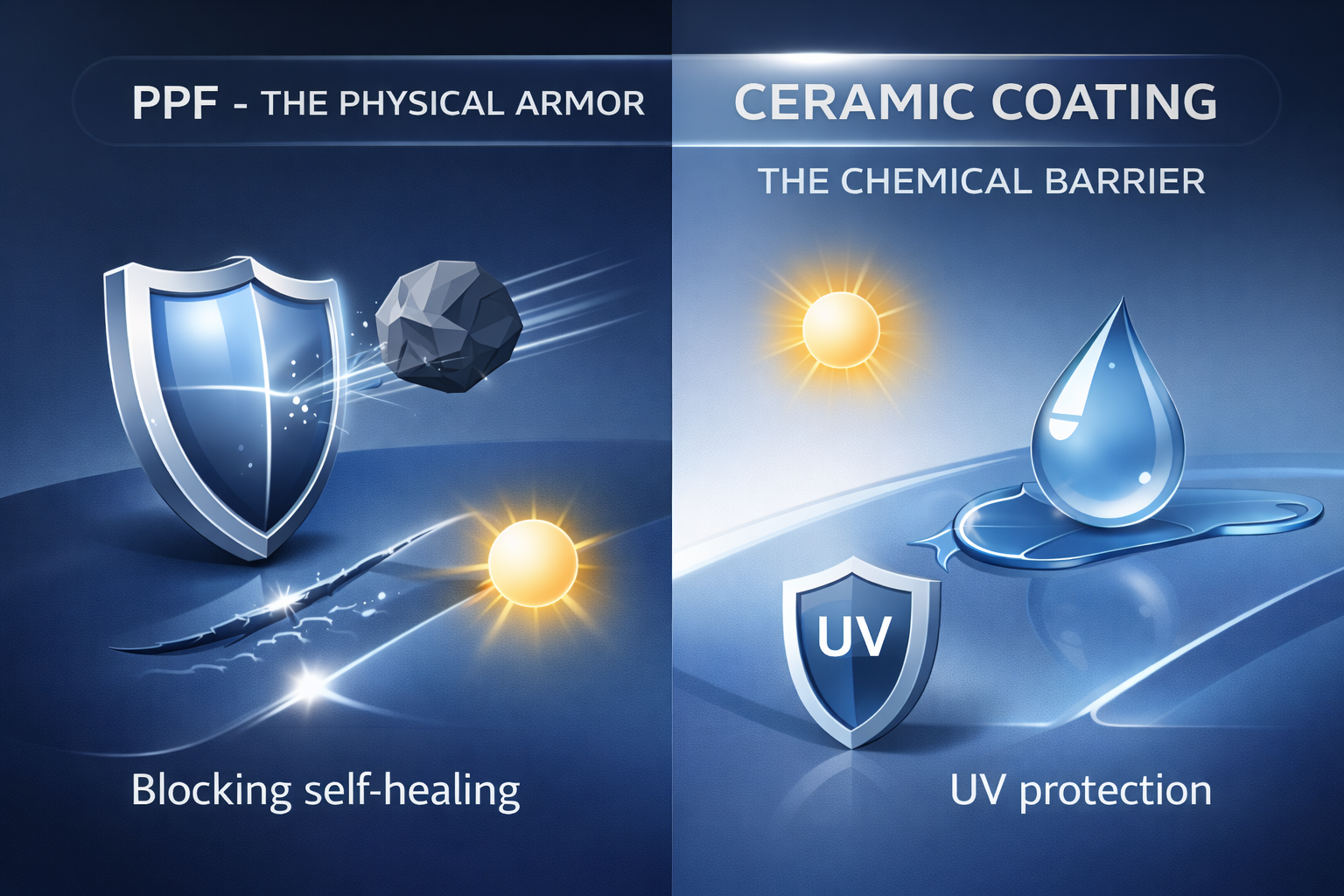
When you apply ceramic coating over PPF, you're not doubling up on the same protection. You're stacking two different types of defense that complement each other.
The Application Process Explained
The application process matters here. PPF gets installed first, obviously, since it needs to bond directly to your paint. Most professional installers will clean and prep the PPF surface before applying the coating, which means removing any contamination, adhesive residue from the installation process, and any oils or silicones that might prevent proper bonding.
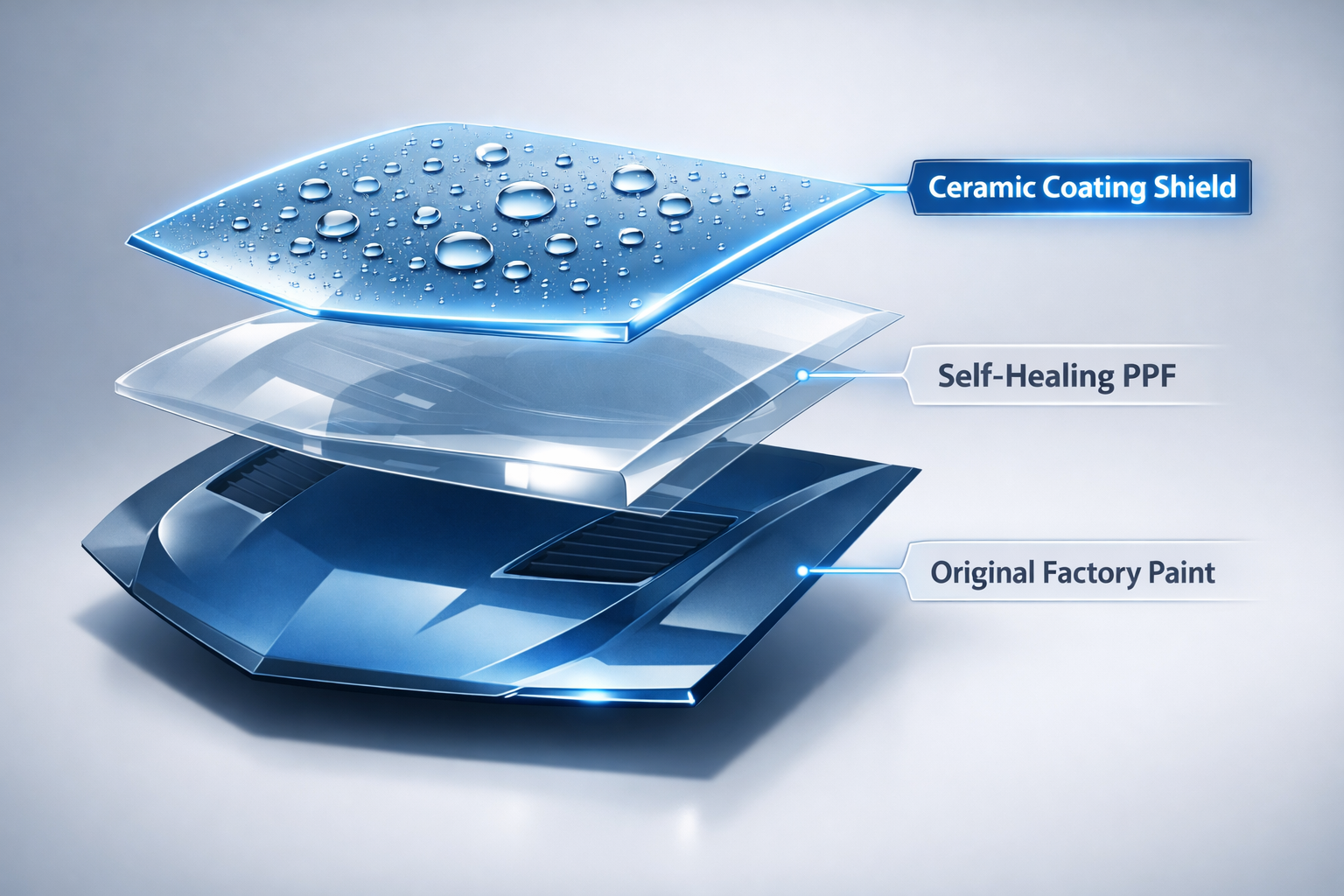
The ceramic coating then bonds to the top surface of the PPF film, not the paint underneath. This creates a three-layer system: paint, PPF, ceramic coating. Each layer has a specific job.
What Changes When You Add Coating to PPF
Here's what changes when you add ceramic coating to PPF: the film becomes significantly more hydrophobic. Uncoated PPF still repels water, but not to the same degree. Water sheets off coated PPF faster, which means less water spotting and fewer mineral deposits. This is particularly important if you live in an area with hard water or if your car sits outside.
The coating also fills in the slight texture that PPF naturally has. Even the best PPF has a microscopic orange peel effect—it's unavoidable with a thick film. Ceramic coating smooths this out, creating a glossier, more paint-like appearance. If you care about how your car looks, this difference is immediately noticeable.
How the Layers Work Together
From a protection standpoint, the ceramic coating acts as a sacrificial layer on top of the PPF. When contaminants land on your car, they bond to the coating rather than the film itself. This means the PPF stays cleaner longer and experiences less wear from repeated washing and chemical exposure.
The self-healing properties of PPF still work with a coating on top, though they're slightly reduced. Most ceramic coatings can handle the heat required to activate PPF's self-healing (around 120-140°F), but you need to verify this with your specific products. Some coatings may crack or haze if exposed to high heat repeatedly.
Real Benefits You Get From Coating Over PPF
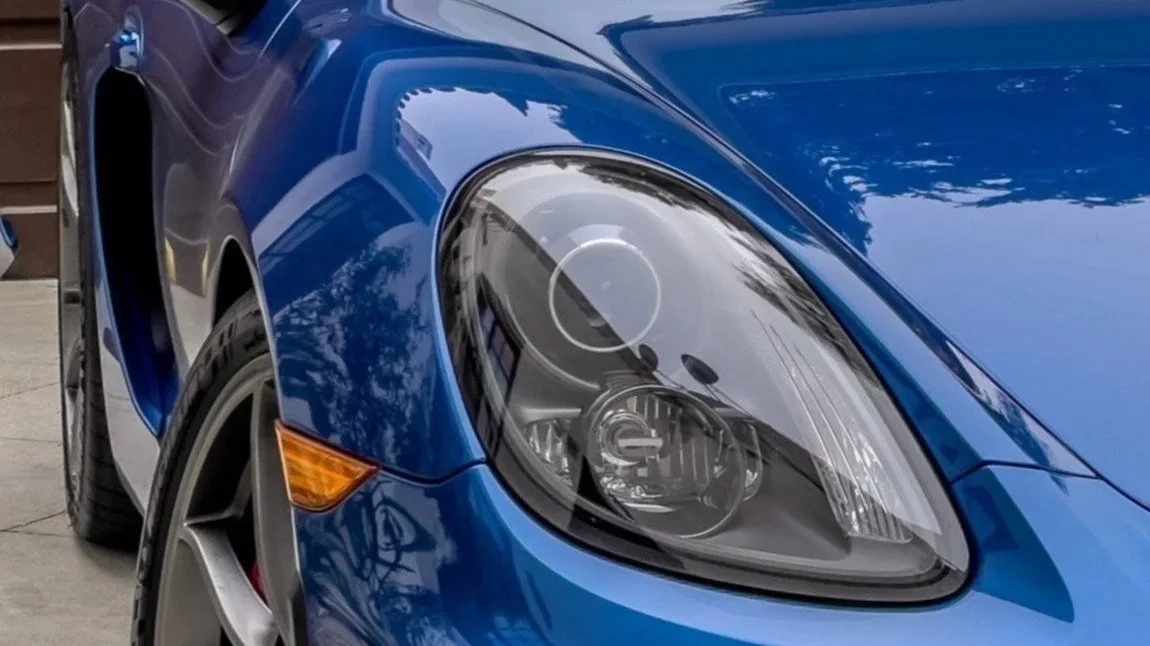
Let's cut through the marketing and talk about what you actually gain from this combination based on real-world use.
Easier Maintenance and Cleaning
The biggest benefit is maintenance. Washing a car with both PPF and ceramic coating takes noticeably less time and effort. Dirt doesn't stick as aggressively. Bug splatter comes off easier. Water beads up and runs off faster, which reduces drying time and the risk of water spots. If you wash your car weekly, this adds up to hours saved over the course of a year.
At Fresh Layer, we've tested this directly by coating only half of a PPF-wrapped vehicle and comparing how each side cleaned over several months. The coated side required fewer passes with a wash mitt, used less soap, and dried faster. The difference wasn't marginal—it was obvious every single wash.
Real Customer Results: We recently treated a Tesla Model 3 in La Jolla with this combination. Two years later, the owner reports that bugs still slide off with just a hose rinse, and the car looks exactly like it did the day we finished the install.
Better UV Protection
Protection against UV damage improves significantly. While modern PPF already has UV inhibitors, adding ceramic coating provides an additional barrier against sun damage. This matters if your car sits outside regularly or if you live in a high-UV area. The coating helps prevent the PPF from yellowing prematurely, which extends the useful life of your film investment.
Enhanced Chemical Resistance
Chemical resistance gets better too. Bird droppings and tree sap still land on your car, but they don't etch into the PPF as quickly when there's a ceramic coating. You have more time to clean them off before permanent damage occurs. This doesn't mean you can leave contaminants sitting for weeks, but it does give you a buffer.
Improved Appearance and Gloss
The gloss and depth of your paint improves visibly. Ceramic coating enhances the clarity of the PPF, which makes your paint look richer and deeper. This is particularly noticeable on dark colors where PPF can sometimes dull the finish slightly. The coating brings back that wet, reflective look.
Longer PPF Lifespan
Durability of the PPF increases. Because the ceramic coating takes the brunt of environmental exposure, the PPF underneath experiences less wear. The film is less likely to show water spots, staining, or yellowing over time. This means your PPF might last 7-10 years instead of 5-7 years, depending on conditions.
Higher Resale Value
One benefit that often gets overlooked: resale value. A car with professionally installed PPF and ceramic coating commands a higher price because buyers recognize the protection investment. You're not just selling a used car—you're selling a vehicle with documented protection that has been maintained properly.
Cost-Benefit Analysis: When the Numbers Actually Make Sense
Here's where most people get stuck: is the added cost of ceramic coating over PPF worth it?
Real-World Pricing Breakdown
Let's start with realistic numbers. Full-front PPF (hood, fenders, bumper, mirrors, headlights) typically runs $1,500-$2,500 depending on your vehicle and installer. Full-body PPF can easily hit $5,000-$8,000 or more for larger vehicles. Add a quality ceramic coating on top, and you're looking at an additional $500-$1,500, depending on the product and how much surface area you're covering.
So for a full-front setup with coating, you're investing $2,000-$4,000 total. For full-body protection, you could be looking at $6,000-$10,000. These aren't small numbers.
Comparing Protection Costs to Repair Costs
The question becomes: what are you protecting against, and what's the replacement cost?
If you drive a $70,000 vehicle and plan to keep it for 7-10 years, the math starts to make sense. A single respray on a modern car with metallic or pearl paint can cost $5,000-$10,000 if you want it done right. One deep scratch that requires panel repainting easily runs $500-$1,500. A chipped hood from highway driving might need $1,000-$2,000 in repairs.
PPF prevents most of that damage. The ceramic coating reduces your maintenance time, extends the PPF's life, and keeps your car looking better longer. If this saves you even one major paint repair over the life of your vehicle, it's paid for itself.
When the Investment Doesn't Make Sense
Here's the other side: if you drive a $25,000 car that you'll trade in after 3-4 years, spending $3,000-$4,000 on PPF and coating probably doesn't make financial sense. You won't recoup that investment at trade-in, and the protection might outlive your ownership.
Finding Your Sweet Spot
The sweet spot for combining PPF and ceramic coating is high-value vehicles that you plan to keep long-term, cars that see highway miles regularly, or vehicles where maintaining appearance is important to you beyond just the dollars. If you're leasing a luxury car and want to avoid end-of-lease damage charges, this combination can save you money. If you have a weekend sports car that only sees 2,000 miles per year in perfect weather, maybe just PPF is enough.
Factoring in Driving Conditions
Consider your driving conditions too. If you commute 60 miles daily on highways with heavy truck traffic, PPF is almost mandatory on the front end. Adding ceramic coating makes it easier to clean off the constant barrage of road grime and bugs. If you mostly drive city streets at low speeds, the benefit is less pronounced.
The Hidden Value of Easier Maintenance
The maintenance factor has real value that's hard to quantify. If you wash your car yourself every week, saving 15-20 minutes per wash adds up to hours over a year. If you pay for detailing, easier maintenance might mean you can stretch the time between professional details, which saves money. Some people value this convenience highly. Others don't care.
Want to know exactly what this would cost for your specific vehicle? Check out our Ceramic Coating Packages and PPF Protection options for detailed pricing and package options.
When This Combination Makes Sense (And When It Doesn't)
After working with hundreds of clients on this exact decision, here are the scenarios where combining PPF and ceramic coating is worth it.
High-Value Vehicles You're Keeping Long-Term
You should seriously consider both if you drive a vehicle worth $50,000 or more and plan to keep it for at least five years. The protection investment makes sense relative to the vehicle's value, and the long ownership period gives you time to realize the benefits.
Heavy Highway Drivers
If you drive 15,000+ highway miles per year, especially in areas with gravel, construction, or harsh winters, the combination pays off. Highway driving generates constant rock chip impacts. PPF catches the chips. Ceramic coating makes it easier to clean off the road salt, grime, and bug residue that highway miles generate.
People Who Care About Appearance
For anyone who cares deeply about their car's appearance, this combination is worth every dollar. If you're the type of person who details their car monthly, notices every swirl mark, and wants their vehicle to look showroom-fresh, the enhanced gloss and easier maintenance justify the cost. You're not just buying protection—you're buying peace of mind.
Lease Vehicles
Lease vehicles are another strong candidate, particularly if you drive a lot. The protection helps you avoid end-of-lease damage charges, which can easily exceed the cost of the protection itself. Just make sure you understand your lease terms—some leases require you to remove aftermarket films before return.
San Diego's Harsh Coastal Climate
San Diego-specific consideration: In San Diego, the combination of salty ocean air from coastal areas like Pacific Beach and La Jolla, plus the intense UV rays in inland communities like Escondido, Poway, and East County, can cause uncoated PPF to dry out and degrade faster than normal. The salt accelerates oxidation, while the high UV index (which regularly hits 9-11 in summer) breaks down the film's top layer.
Layering a ceramic coating adds that extra UV shield and chemical barrier that extends PPF life significantly in our climate. We've seen the difference firsthand—coated PPF in Carlsbad beachfront properties lasts 2-3 years longer than uncoated film in the same conditions.
Other Harsh Climates
Cars in harsh climates benefit significantly. If you live somewhere with heavy UV exposure, lots of rain, snow and road salt, or tree sap and bird droppings year-round, the added chemical resistance and UV protection extend both products' lifespans. The coating protects the PPF, which protects your paint.
When to Skip This Combination
Now for when this combination doesn't make sense.
Older Vehicles with Existing Damage
Skip it if you're driving an older vehicle with existing paint damage. PPF and ceramic coating won't fix chips, scratches, or fading that's already there. You need to start with paint in good condition. If your paint needs correction first, that adds significant cost.
Short-Term Ownership Plans
If you trade vehicles every 2-3 years, the protection might outlast your ownership. You won't fully realize the durability benefits, and you probably won't recoup the full investment at trade-in. In this case, just ceramic coating or even regular waxing might be more appropriate.
Low-Mileage Garage Queens
For low-mileage garage-kept vehicles, full PPF with coating is probably overkill. If your car sees 3,000 miles a year and lives in a climate-controlled garage, you're not exposing it to the conditions that make this protection valuable. Save your money or invest in lighter protection.
Budget Constraints
Budget is a real constraint. If $3,000-$4,000 represents a significant financial burden, don't stretch yourself thin for car protection. There are more important ways to spend that money. You can always add protection later when your financial situation improves.
If You Don't Care About Maintenance
If you don't care about maintenance or appearance, skip the ceramic coating and just do PPF on the high-impact areas. You'll get the physical protection without paying for convenience features you won't use.
Common Mistakes That Waste Money and Reduce Protection
Coating Too Soon After PPF Installation
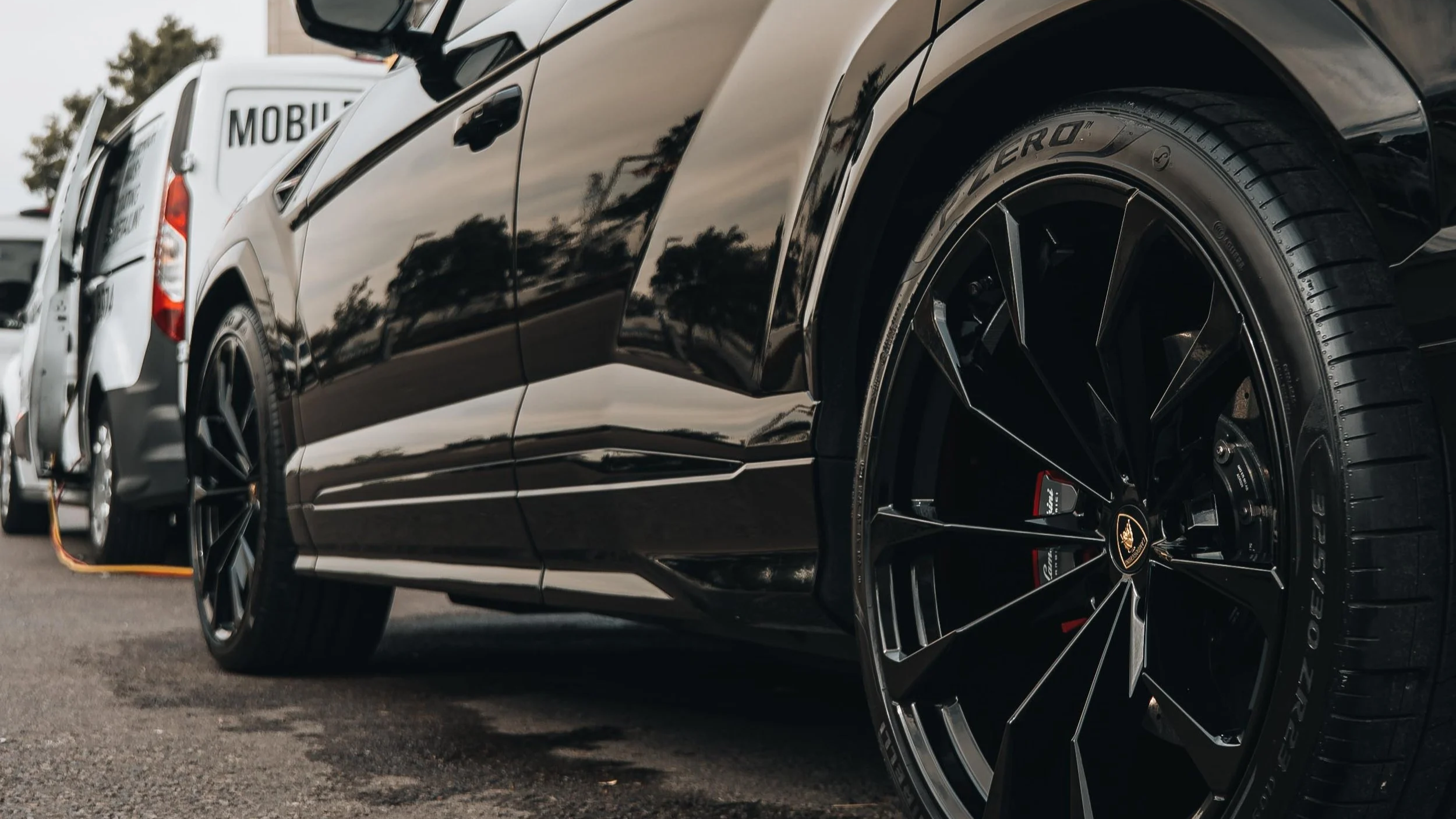
The biggest mistake people make is applying ceramic coating too soon after PPF installation. Most PPF needs 24-48 hours to fully cure and off-gas before you coat it. If you coat too early, you risk trapping solvents under the coating, which can cause haziness, poor bonding, or coating failure. Wait the full recommended time even if you're eager to finish the job.
Using Incompatible Products
Using incompatible products is another expensive mistake. Not all ceramic coatings work well over PPF, and not all PPF films accept ceramic coatings equally. Some coatings are too rigid and will crack when the PPF flexes or self-heals. Some PPF films have surface treatments that prevent proper coating adhesion. Always verify compatibility before you commit to products.
At Fresh Layer, we've seen people waste money on cheap ceramic coatings that fail within months when applied over PPF. The coating might work fine on bare paint but not bond properly to the film's surface. The result is peeling, hazing, or complete coating failure. We only use proven products specifically rated for use over PPF.
Skipping Proper Surface Preparation
Skipping proper prep is a guaranteed way to get poor results. The PPF surface must be completely clean and free of contamination before coating. This means removing installation gel residue, any oils from handling, and environmental fallout. A contaminated surface prevents the coating from bonding, which means it won't last.
Coating Over Damaged PPF
Another common error: coating over damaged or poorly installed PPF. If your film has lifting edges, contamination under the film, or installation flaws, coating over it won't fix anything. It just locks in the problems. Address any PPF issues before applying ceramic coating.
Applying Coating Too Thick
Some people apply coating too thick, thinking more is better. Ceramic coatings work through chemical bonding, not thickness. A properly applied thin layer outperforms a thick, uneven application. Too much coating can cause haziness, high spots, or uneven curing. Follow the manufacturer's application guidelines exactly.
Neglecting Ongoing Maintenance
Neglecting maintenance after coating is a waste of the entire investment. Ceramic coatings aren't set-it-and-forget-it products. They need proper washing techniques, periodic decontamination, and eventual reapplication. If you don't maintain the coating, it degrades faster, and you lose the benefits you paid for.
Expecting Unrealistic Results
Finally, expecting miracles causes disappointment. Ceramic coating over PPF doesn't make your car indestructible or self-cleaning. You still need to wash it. Rock chips can still damage the coating and potentially the PPF. Bird droppings still need to be removed promptly. The combination improves protection and maintenance, but it doesn't eliminate care requirements.
Maintenance Requirements You Actually Need to Follow
Once you've invested in both PPF and ceramic coating, proper maintenance protects your investment and maximizes longevity. This isn't complicated, but it does require consistency.
Proper Washing Technique
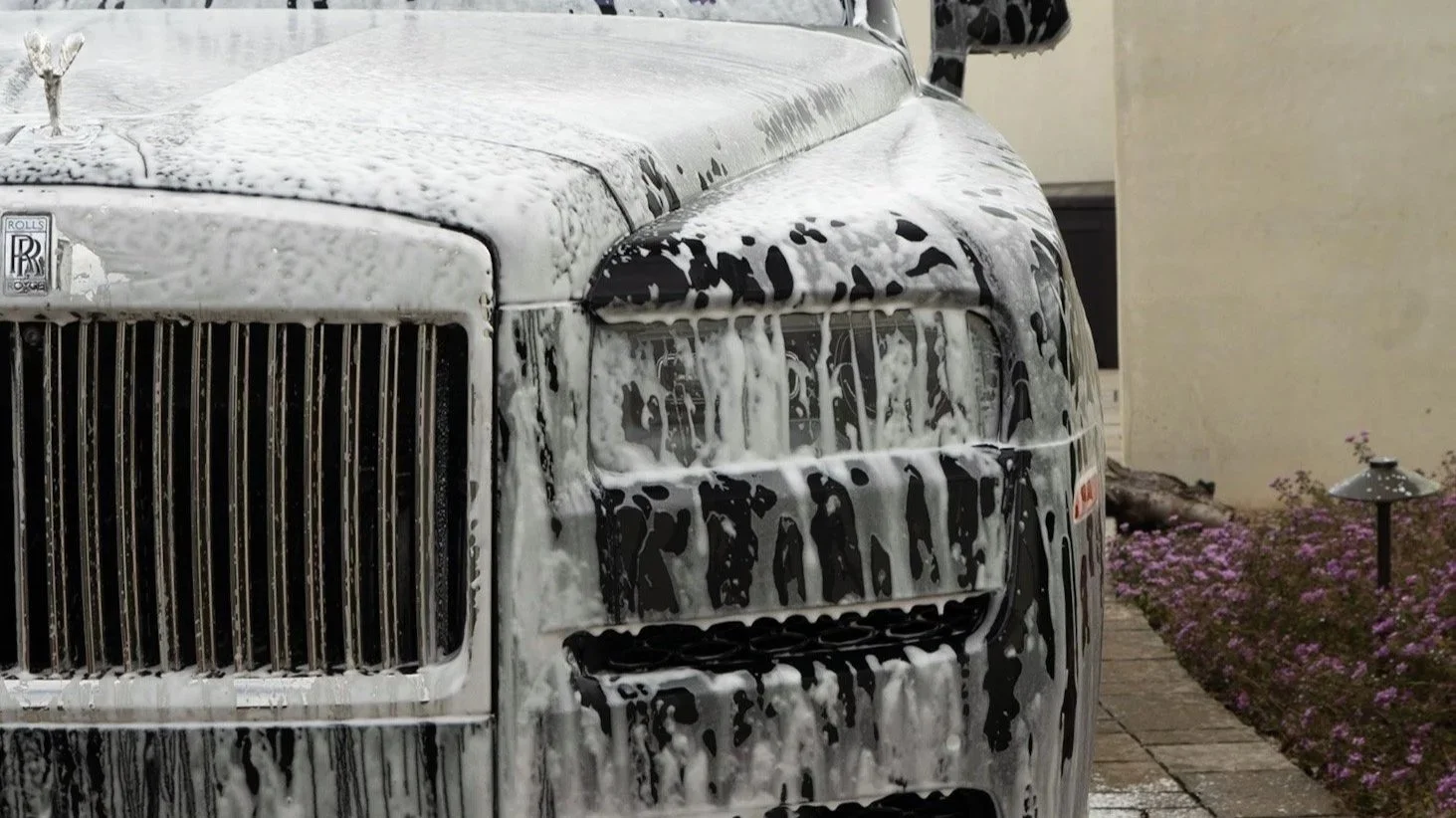
Washing technique matters more than frequency. Use the two-bucket method with a pH-neutral car shampoo designed for ceramic coatings. Harsh detergents can degrade the coating over time. Never use automatic car washes with brushes—they'll scratch the coating and potentially lift PPF edges. Touchless washes are safer but still not ideal because the harsh chemicals can affect the coating.
Wash from top to bottom, and rinse thoroughly. The hydrophobic properties of ceramic coating work best when the surface is clean. If you let dirt build up, water beading becomes less effective. Most coated vehicles benefit from washing every 1-2 weeks, depending on use and conditions.
Regular Decontamination
Decontamination every 3-6 months keeps the coating performing at its best. Use a clay mitt, not a clay bar or decon spray, to remove bonded contaminants that washing doesn't get. This is particularly important if you park under trees or in industrial areas where fallout is heavy. Decontamination restores the coating's hydrophobic properties.
Protecting Against Environmental Hazards
Avoid parking under trees when possible. Tree sap and bird droppings are the biggest enemies of both PPF and ceramic coating. While the coating provides some resistance, these contaminants will still etch and damage if left to sit. Remove them as soon as possible using appropriate cleaners.
PPF Edge Inspection
Inspect your PPF edges regularly, especially around seams and high-stress areas like door handles and mirrors. If you notice lifting, address it immediately before moisture gets under the film. Ceramic coating can sometimes mask early lifting, so you need to check carefully.
Using Spray Boosters
Most ceramic coatings benefit from a spray boost or topper every 3-6 months. These products refresh the hydrophobic properties and add a layer of sacrificial protection. They're inexpensive and easy to apply, and they significantly extend the life of your coating.
Planning for Reapplication
Plan for coating reapplication every 2-4 years depending on the product and your conditions. Even the best ceramic coatings degrade over time from UV exposure, washing, and environmental contamination. When water stops beading as well and cleaning becomes harder, it's time to reapply.
The PPF underneath should last 7-10 years or more with proper care and a quality coating on top. When the time comes to replace the PPF, you'll need to remove both the film and the coating, then start fresh.
Making the Final Decision: A Framework
If you've read this far, you're probably still weighing whether combining PPF and ceramic coating makes sense for your situation. Here's a practical framework to guide your decision.
Start With Your Protection Goals
Start by asking: What am I actually trying to protect? If your main concern is rock chips and scratches, PPF is the priority. If you want easier maintenance and better gloss, ceramic coating is the focus. If you want both, the combination makes sense.
Consider Your Ownership Timeline
Next, consider your time horizon. How long will you own this vehicle? If the answer is less than three years, the combination is probably more protection than you need. If it's five years or more, you have time to realize the full benefit.
Evaluate Your Real Driving Conditions
Think about your driving conditions realistically. How many miles per year? Mostly highway or city? Garage-kept or parked outside? Harsh climate or mild? The more exposure your vehicle has to damaging conditions, the more value you get from comprehensive protection.
Know Your Tolerance for Imperfection
Factor in your tolerance for imperfection. If you're the type who can ignore minor swirl marks and rock chips, save your money. If imperfections bother you, the combination might be worth it for peace of mind alone.
Calculate the Cost-to-Value Ratio
Look at the total cost relative to your vehicle's value. A good rule of thumb: if the protection costs more than 10% of your vehicle's value, you might be over-protecting. If it's 5% or less, the investment is more reasonable.
Assess Your DIY Skills Honestly
Consider your DIY skills honestly. Ceramic coating over PPF is more forgiving than coating bare paint, but it still requires proper technique. If you're planning to DIY, factor in the learning curve and potential for mistakes. Professional installation costs more but guarantees results.
Choose the Right Installer
Research your installer carefully if you're going professional. Ask to see examples of their PPF work specifically with ceramic coating on top. Not all installers have equal experience with this combination. Poor PPF installation will haunt you forever, and cheap ceramic coating will fail quickly.
At Fresh Layer, we've completed over 336 successful installations combining PPF and ceramic coating. Every vehicle gets the same thorough prep process, quality products, and attention to detail whether it's a daily driver or a six-figure exotic. You can see real customer feedback and installation examples on our Google reviews.
Compare Quotes and Warranties
Get quotes from at least two installers and compare not just price but what's included. Are they using quality products? Do they offer warranties? What's the warranty coverage if something fails? These details matter as much as the bottom-line cost.
Understand What You Value Beyond Dollars
Finally, think about what you value beyond the numbers. Some people love having a car that looks perfect and is easy to maintain. That's worth something, even if it's hard to quantify. Others view cars as transportation and don't care about appearance. There's no wrong answer—just be honest about what category you fall into.
Consider Starting Small
If you're still unsure, start with just PPF on the high-impact areas (front bumper, hood, fenders, mirrors). Live with it for a few months. See how you like the maintenance, how the film holds up, and whether you wish it was easier to clean. You can always add ceramic coating later if you decide you want the extra protection and convenience.
The combination of PPF and ceramic coating works. It provides comprehensive protection that's greater than either product alone. Whether it makes sense for you depends on your specific vehicle, how you use it, how long you'll keep it, and what you value in terms of appearance and maintenance.
Frequently Asked Questions
Can I apply ceramic coating over PPF myself, or should I hire a professional?
You can DIY ceramic coating over PPF if you're comfortable with detailing work, but professional application is safer. The main challenge is proper surface prep—the PPF must be completely clean and free of contamination. If you've never applied ceramic coating before, practice on less visible areas first. Professional installers have experience with product compatibility, proper curing times, and application techniques that reduce the risk of mistakes. The cost difference between DIY and professional is usually $300-$800, which might be worth it for peace of mind.
How long should I wait after PPF installation before applying ceramic coating?
Wait at least 24-48 hours after PPF installation before applying ceramic coating. Most PPF films need this time to fully cure and off-gas any remaining solvents from the adhesive. Coating too soon can trap solvents under the ceramic layer, causing haziness or poor bonding. Some installers recommend waiting up to a week, especially in humid conditions where curing takes longer. Check with your PPF installer for their specific recommendation based on the film they're using.
Will ceramic coating affect the self-healing properties of my PPF?
Ceramic coating has minimal impact on PPF's self-healing abilities, though it may slightly reduce how well heat activates the healing process. The coating adds a thin barrier over the film, but quality coatings can handle the heat (120-140°F) required for self-healing. You'll still see minor scratches disappear when exposed to sun or warm water. Some lighter scratches might take longer to heal with coating on top, but the difference is usually minor. The trade-off is worth it for most people given the other benefits coating provides.
Does ceramic coating over PPF void the film's warranty?
This depends entirely on your PPF manufacturer and installer. Some PPF warranties remain valid when ceramic coating is applied, while others may have restrictions. Always check your warranty terms before coating, and get written confirmation from your installer if they say coating is acceptable. Some installers offer their own warranties that cover both PPF and coating as a system. Never assume coating is fine without verifying—a voided warranty on expensive PPF installation is a costly mistake.
How much does it typically cost to add ceramic coating over existing PPF?
Expect to pay $500-$1,500 to add ceramic coating over existing PPF, depending on vehicle size and coating quality. Small cars with front-end PPF might cost $400-$600 for coating. Full-body PPF on a large SUV could run $1,200-$1,500 or more for ceramic coating. The price includes surface prep, which is critical for proper bonding. Higher-end coatings with longer warranties cost more but often last longer and perform better. Get quotes from multiple installers and ask specifically what products they use and what warranty coverage comes with the coating.
Can I coat just the PPF areas, or should I coat the entire car?
You can coat just the PPF-covered areas, but coating the entire vehicle gives better results and appearance. Partial coating creates a visible line where coated and uncoated surfaces meet, especially in how water beads. If budget is a concern, prioritize coating the PPF areas since they see the most exposure and abuse. You can always coat the rest of the car later. Most installers offer package pricing for full-vehicle coating that's more cost-effective than doing it in stages.
What happens when the ceramic coating wears out but the PPF is still good?
When the ceramic coating degrades, you can reapply it without touching the PPF underneath. The film doesn't need replacement just because the coating wore out. Simply prep the PPF surface again, decontaminate it thoroughly, and apply fresh ceramic coating. Most people reapply coating every 2-4 years while the PPF lasts 7-10 years or more. This staged maintenance approach is actually one of the benefits of this combination—you can refresh the coating as needed while the PPF continues protecting your paint.
Protecting Your Investment the Right Way
The decision to combine ceramic coating with paint protection film comes down to understanding what you're actually protecting and whether the added benefits justify the cost for your specific situation.
PPF provides the physical barrier against rock chips, scratches, and impacts. Ceramic coating enhances that protection with chemical resistance, easier maintenance, and better appearance. Together, they create a protection system that's more effective than either product alone.
If you're driving a vehicle you care about, putting significant miles on it annually, and planning to keep it for years, this combination makes sense. The protection preserves your paint, maintains your car's appearance, and makes maintenance significantly easier.
The investment isn't small, but neither is a quality paint job or the accumulated cost of repairs over time. Do your research, find a reputable installer, use quality products, and maintain the protection properly. Done right, PPF and ceramic coating will keep your car looking better for longer while saving you time and potential repair costs.
Ready to protect your vehicle the right way? Contact Fresh Layer for a free consultation and quote. We'll assess your vehicle, discuss your driving conditions, and recommend the protection package that makes the most sense for your situation. With over 336 five-star reviews from San Diego car owners, we've proven that quality protection and honest advice go hand in hand.
Make your decision based on how you actually use your vehicle, what you value in terms of appearance and maintenance, and whether the total cost makes sense relative to what you're protecting. There's no universal right answer—just the right answer for your situation.