High-Mileage Drivers: Choosing the Right Ceramic Coating for Real-World Protection
A car with 100,000 miles on the odometer has experienced something most garage-kept vehicles never will: sustained environmental stress. Every mile adds UV exposure, road film accumulation, and wash-induced friction. By the time the odometer crosses six figures, the paint has absorbed more abuse than many enthusiast cars see in a decade.
This raises a practical question: does ceramic coating still make sense at high mileage, or has the window of opportunity closed?
The answer depends on understanding what ceramic coating actually protects against, how vehicle mileage affects application outcomes, and where the cost-benefit calculation tips in a driver's favor.
This guide examines the relationship between accumulated mileage and coating effectiveness. It covers the chemistry that determines durability, the preparation work that separates success from failure, and the cost analysis that most buyers never consider.
The goal is straightforward: help you decide whether coating makes sense for your specific situation, and if so, which approach delivers the best return.
Want a quick recommendation? Jump to the tier guide or request a personalized quote.
What Ceramic Coating Actually Does at a Chemical Level
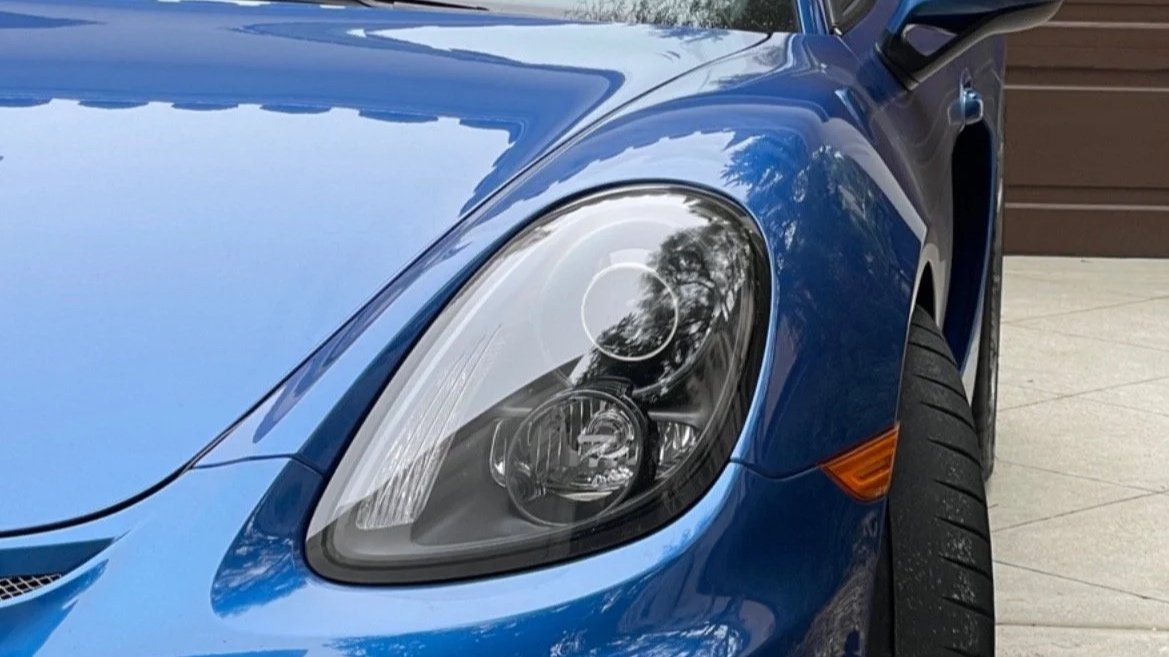
Ceramic coating is a liquid polymer containing silicon dioxide (SiO2) that bonds to automotive paint through a process called covalent bonding. When applied correctly, the coating forms a semi-permanent layer that sits above the clear coat, typically measuring 1-3 microns thick.
This layer provides three primary functions:
Hydrophobic behavior causes water to bead and sheet off painted surfaces. Contact angles on properly coated paint typically measure between 100-110 degrees, compared to 70-80 degrees on uncoated clear coat. This reduces water spotting and accelerates drying during washing.
Chemical resistance creates a barrier against environmental contaminants. Bird droppings, which contain uric acid with a pH around 3, begin etching unprotected clear coat within 24-48 hours. Coated surfaces resist this damage significantly longer, providing a larger window for removal.
UV absorption protects the underlying paint from oxidation. The coating absorbs a portion of ultraviolet radiation that would otherwise degrade the clear coat and underlying pigments. This is particularly relevant in high-UV environments where paint oxidation accelerates measurably.
What ceramic coating does not do is prevent mechanical damage. Rock chips, key scratches, and shopping cart impacts penetrate ceramic coatings instantly. The "9H hardness" marketing refers to pencil hardness testing, a measure of surface marring resistance rather than impact protection. No coating on the market prevents the kind of damage most owners worry about.
Understanding these limitations matters because it shapes realistic expectations. Coating protects against chemical and environmental degradation. It does not create armor.
If you drive 12,000-25,000 miles per year, ceramic coating pays you back in time savings and easier maintenance.See the cost breakdown below or get a custom quote.
Why Accumulated Mileage Changes the Protection Equation
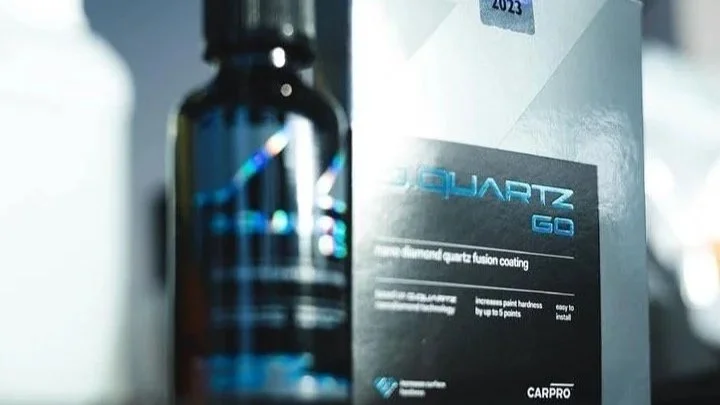
The relationship between vehicle mileage and coating benefit is counterintuitive. High-mileage vehicles often gain more value from ceramic coating than new cars, despite appearing to be worse candidates.
This happens because of exposure math.
A vehicle driven 25,000 miles annually accumulates more environmental exposure in two years than a weekend-driven car experiences in ten. More miles mean more contaminant contact, more UV cycles, more wash frequency, and more opportunities for protection to provide measurable benefit.
Consider the washing factor alone. A daily driver washed bi-weekly experiences 26 wash cycles per year. Over five years, that's 130 wash events. Each wash—even when done correctly—creates micro-marring through friction between the wash media and paint surface.
Ceramic coating reduces this friction. The slick surface requires less agitation to release contaminants, which reduces mechanical stress during each wash. Across 130 wash cycles, this reduction compounds into meaningful swirl prevention.
The same compounding effect applies to decontamination. Vehicles driven frequently accumulate more tar, iron fallout, and industrial contamination than garage-kept cars. Without coating, removing these contaminants requires chemical treatment and clay bar work that slowly wear the clear coat. With coating, most contamination releases during normal washing.
High-mileage vehicles also face reduced clear coat margins. Every car starts with approximately 2-4 mils of factory clear coat. Years of washing, polishing, bird droppings, and environmental exposure consume this buffer. Coating creates a sacrificial layer that absorbs future damage instead of the diminishing original finish.
The practical implication: a 100,000-mile daily driver often presents a stronger case for protection than a 10,000-mile garage queen.
How Paint Condition Determines Coating Outcomes

Mileage alone doesn't determine whether a vehicle is a good coating candidate. Paint condition does.
Ceramic coating locks in whatever state exists at application time. Applied over swirl marks, the coating preserves swirl marks. Applied over oxidation, the coating preserves oxidation. The coating itself adds gloss and depth, but it cannot correct defects underneath.
This is why surface preparation matters more than the coating product itself. A mid-tier coating applied to properly corrected paint will outperform a premium coating applied over contaminated, damaged paint.
Paint correction uses abrasive compounds and polishing to remove a thin layer of clear coat, eliminating surface defects in the process. The depth of correction depends on defect severity and available clear coat thickness.
For vehicles in the 50,000-75,000 mile range with reasonable maintenance history, single-step correction typically removes 60-80% of visible swirl marks. This requires removing approximately 0.5-1.0 microns of clear coat—a fraction of the available thickness on healthy paint.
Vehicles in the 75,000-100,000 mile range often require two-step correction. Deeper swirl marks and more stubborn oxidation demand aggressive cutting compounds followed by finishing polish. Expect correction to remove 1.0-2.0 microns of clear coat while achieving 70-90% defect removal.
Beyond 100,000 miles, correction strategy shifts toward preservation. Limited clear coat reserves make aggressive correction risky. Skilled work focuses on improvement rather than perfection, sometimes leaving minor defects to preserve paint integrity.
Decontamination removes bonded particles that washing cannot address. Iron fallout from brake dust and rail dust creates orange-brown speckling visible on white and silver paint. Tar deposits from road maintenance leave black spots that resist normal cleaning. Both require chemical treatment before coating.
High-mileage vehicles accumulate more bonded contamination than low-mileage vehicles. This makes decontamination more time-intensive and more critical to coating success.
The preparation requirement creates a cost reality that many buyers overlook. Coating a new car with factory-perfect paint might require minimal prep work. Coating a 100,000-mile daily driver properly might require four to six hours of decontamination and correction before coating ever touches the surface.
Installers who quote identical prices for new and high-mileage vehicles are cutting corners somewhere.
The Three-Tier Product Framework for Daily Drivers

Ceramic coating products span a wide price and performance range. Understanding the tiers helps match investment to actual need.
Professional Premium Systems
Investment range: $900-$1,800
These represent the technical ceiling of coating technology. Products like Gtechniq Crystal Serum Ultra and System X Diamond SS require controlled application environments, extended cure times, and certified installer training.
Premium systems offer the highest chemical resistance and longest durability, typically 5-7 years under optimal conditions. They often include manufacturer warranties backed by installer guarantees.
The practical case for premium systems centers on three scenarios: vehicles driven 20,000+ miles annually, dark-colored paint that shows every imperfection, and owners planning to keep the vehicle long-term. In these situations, the extended protection interval justifies the higher initial cost.
Professional Mid-Tier Systems
Investment range: $500-$900
Products like CarPro CQuartz UK 3.0 and Gtechniq Crystal Serum Light deliver approximately 80% of premium performance at 50-60% of the cost. They use similar chemistry with less stringent application requirements and shorter cure times.
Realistic durability runs 3-5 years with proper maintenance. Chemical resistance and hydrophobic performance satisfy daily driver requirements without the premium price tag.
This tier represents the optimal choice for most high-mileage daily drivers. The protection level matches actual exposure conditions while the price point delivers favorable cost-per-mile economics.
Consumer DIY Products
Investment range: $20-$50
Products like Turtle Wax Hybrid Solutions and Chemical Guys HydroSlick offer legitimate hydrophobic properties at accessible prices. They require no specialized equipment and can be applied in a driveway.
The tradeoffs are significant. Durability typically measures 3-12 months rather than years. Chemical resistance falls below professional-grade products. Perhaps most importantly, DIY application skips the surface preparation that determines long-term results.
Consumer products make sense for leased vehicles approaching return, owners planning to sell within 12 months, and enthusiasts who enjoy the application process and accept the maintenance frequency.
The tier decision should match actual circumstances rather than aspirations. A Tier 2 coating properly maintained will outperform a Tier 1 coating neglected.
Calculating Real Cost-Per-Mile Value
Most buyers think about coating as a fixed expense: "$800 for ceramic coating." This framing misses the economic reality.
Coating value scales with usage. The same $800 investment delivers dramatically different cost-per-mile depending on driving volume.
Conservative commuter scenario: 12,000 miles annually, Tier 2 coating at $700
Year 1 cost per mile: $0.058
Year 3 cost per mile: $0.019
Time saved annually: 15-20 hours (faster wash cycles)
High-mileage scenario: 25,000 miles annually, Tier 2 coating at $900
Year 1 cost per mile: $0.036
Year 3 cost per mile: $0.012
Time saved annually: 30-40 hours
| Scenario | Miles/Year | Tier | Cost | Cost/Mile (Year 1) | Time Saved/Year | 3-Year Cost/Mile |
|---|---|---|---|---|---|---|
| Conservative Commuter | 12,000 | Tier 2 | $700 | $0.058 | 15-20 hours | $0.019 |
| Road Warrior | 25,000 | Tier 2 | $900 | $0.036 | 30-40 hours | $0.012 |
| Weekend Driver | 8,000 | Tier 3 DIY | $40 | $0.005 | 5-10 hours | $0.005* |
The high-mileage driver achieves triple the value per dollar spent. Each mile driven after application dilutes the initial investment across more usage.
Time savings compound this advantage. Coated vehicles require less wash time because contaminants release more easily. A 45-minute wash becomes a 20-minute rinse. For someone washing bi-weekly, that's 10+ hours saved annually—time that has real value even if it's difficult to monetize.
Maintenance cost reduction adds another layer. Uncoated vehicles require wax or sealant application every 2-4 months to maintain any protection. Coated vehicles require occasional booster application and proper wash technique. The ongoing maintenance burden drops substantially.
The break-even calculation varies by individual circumstances, but the pattern holds consistently: higher annual mileage creates more favorable coating economics.
Regional Factors That Affect Durability
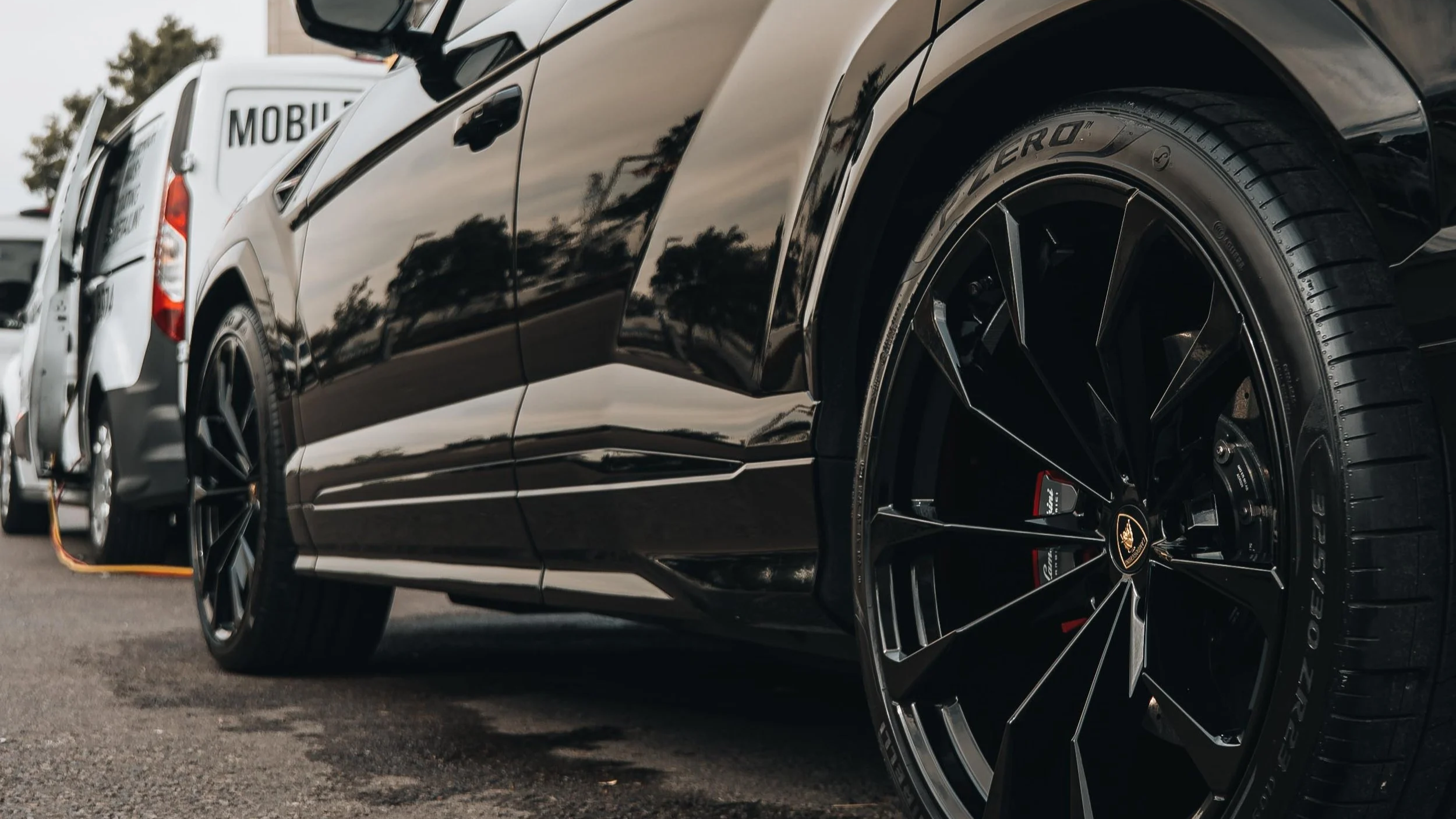
Coating performance varies by geography. Products that last five years in Seattle may fail within two years in Phoenix. Understanding regional stress factors helps calibrate expectations.
UV Intensity
San Diego averages 300+ sunny days annually with UV index regularly exceeding 8 during summer months. This accelerates coating degradation compared to cloudier regions.
Entry-level coatings with poor UV stability often fail within 12-18 months under sustained California sun. Professional-grade products with proper UV inhibitors maintain protection significantly longer.
Outdoor parking amplifies UV exposure. A vehicle parked outside experiences roughly 10x more UV exposure than one garaged during peak hours. This single factor can halve coating lifespan.
Coastal Salt Exposure
Vehicles regularly driven or parked within five miles of the ocean encounter salt-laden marine layer moisture. This deposits on paint nightly, creating a sticky residue that attracts additional contamination.
Without coating, salt film bonds to paint and requires aggressive decontamination. With proper ceramic coating, salt residue rinses off during normal washing.
Coastal environments also accelerate corrosion on unprotected metal trim and undercarriage components. Coating paint doesn't address these areas, but it does reduce the overall maintenance burden.
Road Contamination
Freeway-heavy driving patterns introduce specific contamination: tar specks from road maintenance, brake dust clouds from heavy traffic, and industrial fallout from manufacturing corridors.
High-mileage commuters accumulate this contamination faster than suburban drivers. Coating creates a release layer that simplifies removal during routine maintenance.
The regional implications are practical. A coating that performs well in garage-kept conditions may require more frequent maintenance or earlier replacement when exposed to challenging environmental factors.
Maintenance Requirements for Sustained Protection
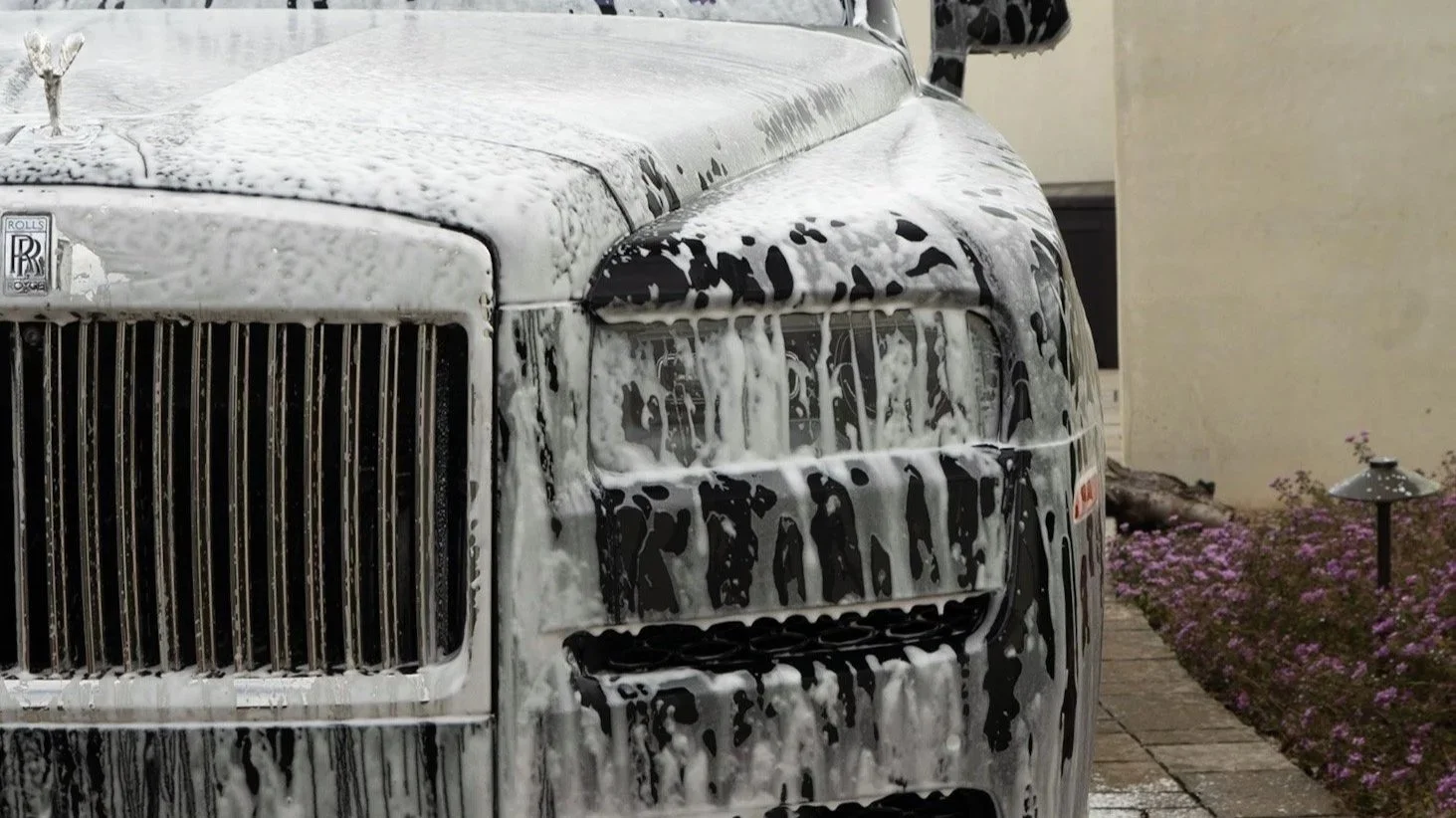
Ceramic coating is maintenance-reduced, not maintenance-free. The difference matters.
Washing Protocol
Proper wash technique for coated vehicles follows the same principles as uncoated paint, with one key difference: you're protecting the coating investment rather than the paint directly.
Two-bucket washing remains standard practice. One bucket holds clean rinse water, the other holds wash solution. The wash mitt gets rinsed between panels to prevent grit from scratching the coating surface.
pH-neutral car shampoo protects the coating chemistry. Dish soap and harsh detergents strip coating properties over time. The hydrophobic layer degrades faster under chemical assault than under normal use.
Drying matters more than most owners realize. Water left to air-dry can spot the coating, particularly in hard-water areas. Forced-air drying (leaf blowers work well) or clean microfiber drying towels prevent spotting.
Inspection Intervals
Monthly coating inspection takes 30 seconds during normal washing. Water behavior indicates coating health. When water beads tightly and sheets off quickly, the coating is functioning normally. When water sits flat or sheets slowly, the hydrophobic layer needs attention.
Quarterly checks should assess surface feel. A healthy coating feels slick and smooth. Roughness or grabbing indicates contamination buildup that requires decontamination.
Booster Products
Ceramic boosters (also called toppers or refreshers) add a fresh hydrophobic layer on top of existing coating. They're maintenance products, not replacements for degraded coating.
Booster application every 3-6 months maintains hydrophobic performance. This is especially relevant for vehicles that experience heavy environmental exposure or infrequent washing.
The common mistake is using boosters to compensate for failing base coating. If the underlying coating has degraded, boosters provide temporary improvement without addressing the fundamental problem.
Six-Month Maintenance Schedule
Month 1-2: Normal bi-weekly washing
Month 3: Wash plus booster application
Month 4-5: Normal bi-weekly washing
Month 6: Inspection wash with light decontamination as needed
This schedule maintains coating performance for daily drivers in typical conditions. Harsher environments may require more frequent attention.
Common Misconceptions and Reality Checks
Misinformation about ceramic coating circulates widely. Correcting these misconceptions prevents unrealistic expectations.
"High mileage disqualifies a vehicle from coating"
This reflects a fundamental misunderstanding. Paint condition, not mileage, determines coating suitability. A well-maintained 150,000-mile vehicle with healthy clear coat is a better candidate than a neglected 40,000-mile vehicle with oxidation damage.
The key question is whether the existing paint can be corrected to an acceptable level and whether sufficient clear coat remains for safe correction work.
"Coating eliminates the need for washing"
Coating makes washing easier and faster. It does not eliminate washing. Dust, pollen, and road film still accumulate on coated surfaces. The difference is how easily they release.
Owners who expect zero-maintenance protection will be disappointed. Owners who understand they're trading frequent wax application for occasional coating maintenance will find the arrangement favorable.
"9H hardness prevents scratches"
The 9H rating describes pencil hardness—resistance to surface marring under standardized testing conditions. It does not describe resistance to rock impacts, key scratches, or branch scrapes.
No coating prevents mechanical damage from objects harder than the coating itself. Rocks are harder. Keys are harder. Shopping carts are harder.
Paint protection film (PPF) addresses mechanical damage. Ceramic coating addresses chemical and environmental damage. They solve different problems.
"All ceramic coatings perform similarly"
The gap between a $30 consumer product and an $1,800 professional system is substantial. Chemistry, application requirements, durability, and chemical resistance differ dramatically across the market.
The statement "all coatings are the same" typically comes from sellers of low-tier products or people who've never experienced properly applied professional coating.
"DIY application matches professional results"
DIY coating products can perform well when applied correctly. But DIY application inherently skips the surface preparation that determines long-term results.
A coating applied over contaminated, swirl-marked paint—regardless of product quality—will underperform a lesser product applied to properly corrected paint.
The gap isn't in the coating chemistry. It's in what happens before the coating touches the surface.
Decision Framework: Evaluating Your Specific Situation
Not everyone benefits from ceramic coating. Honest self-assessment prevents wasted investment.
Strong Candidates for Coating
Annual mileage exceeds 12,000 miles
Vehicle parks outdoors regularly
Owner washes frequently (weekly to bi-weekly)
Dark-colored paint that shows swirl marks easily
Plan to keep the vehicle for 2+ years
Values time savings over lowest upfront cost
Weak Candidates for Coating
Rarely washes the vehicle (monthly or less)
Clear coat already failing (peeling, flaking)
Selling the vehicle within 6 months
Vehicle value doesn't justify protection investment
Unwilling to follow maintenance requirements
Questions to Ask Installers
"What preparation process do you use on vehicles with 75,000+ miles?"
Good answer: Specific decontamination steps, paint correction options, and clear coat thickness evaluation. Red flag: "Same as any other car."
"What realistic durability should I expect given my driving conditions?"
Good answer: Honest timeframe based on your mileage, parking, and environment. Red flag: "Lifetime protection" or manufacturer marketing claims without qualification.
"What does post-application maintenance involve?"
Good answer: Specific washing instructions, booster schedule, and inspection recommendations. Red flag: "Just wash it normally."
Red Flags During the Quoting Process
Identical pricing regardless of vehicle size or condition
No discussion of paint correction or preparation
No mention of cure time or post-application restrictions
Pressure to decide immediately
Refusal to show examples of previous work
Frequently Asked Questions
-
Mileage alone doesn't determine suitability. Paint condition matters more than odometer reading. A 120,000-mile vehicle with healthy clear coat and no oxidation is a better coating candidate than a 50,000-mile vehicle with paint damage. Professional assessment of clear coat thickness and condition provides the relevant information.
-
Realistic durability ranges from 2-5 years depending on product tier, annual mileage, maintenance practices, and environmental exposure. A Tier 2 professional coating on a vehicle driven 15,000 miles annually with proper washing typically delivers 3-4 years of effective protection. Claims of "permanent" protection generally don't reflect real-world conditions.
-
Vehicles with accumulated mileage typically require chemical decontamination to remove bonded iron and tar, followed by paint correction to remove swirl marks and oxidation. The specific work depends on paint condition. Expect 2-6 hours of preparation work before coating application on vehicles with 75,000+ miles.
-
Technically yes, but this preserves the defects rather than correcting them. Ceramic coating locks in whatever condition exists at application time. Professional installation includes paint correction specifically to address pre-existing damage before coating.
-
The primary difference is surface preparation. Professional installation includes decontamination, paint correction, and controlled application environment. DIY products are applied to whatever surface condition exists, typically without extensive preparation. The coating chemistry matters less than the surface it bonds to.
-
Coating reduces but doesn't prevent wash-induced marring. The slick surface requires less agitation to release dirt, which reduces friction during washing. Tunnel car washes with brushes will still scratch coated paint, just potentially less severely. Touchless washes are acceptable occasionally; brush washes are not recommended.
Conclusion: Matching Protection to Reality
High-mileage vehicles face a straightforward protection question: is the paint worth protecting, and does the protection investment make economic sense?
For most daily drivers covering 12,000+ miles annually, the answer is yes—with conditions.
The right tier matches actual usage patterns. Premium systems make sense for heavy use and long ownership. Mid-tier professional coating covers most daily driver scenarios optimally. Consumer products work for temporary or budget-constrained situations.
Proper surface preparation matters more than the coating product selection. A well-prepped mid-tier coating outperforms a poorly-prepped premium coating every time.
Regional factors affect durability. High-UV environments, coastal salt exposure, and heavy freeway commuting all accelerate coating wear. Adjust expectations and maintenance frequency accordingly.
The cost-per-mile calculation favors high-mileage drivers. More miles mean more protection value per dollar invested. Combined with time savings from easier washing, the economic case strengthens as annual mileage increases.
For San Diego daily drivers specifically, the combination of intense UV exposure, marine layer salt, and year-round driving creates conditions where quality coating delivers measurable benefit.
The decision isn't about whether ceramic coating "works." It's about whether it works for your specific situation, at a price point that makes sense, with expectations properly calibrated to reality.
Schedule your free consultation | Learn about our ceramic coating process