The San Diego Car Care Survival Guide: Why Ceramic Coating is No Longer Optional for Coastal Living
Here's something most San Diego car owners don't realize until it's too late: that gorgeous Pacific weather everyone loves? It's slowly eating your car's paint.
The salt air rolling in from the ocean. The relentless sunshine beating down 266 days per year. The hard water leaving white spots every time the sprinklers hit your car. These aren't minor annoyances. They're a coordinated assault on your vehicle's finish.
If you've noticed your paint looking dull, spotted, or faded faster than you expected, you're not imagining things. San Diego's unique climate creates what detailing professionals call a "triple threat" that destroys car finishes at rates much higher than inland areas.
The good news? There's a real solution. Ceramic coating has become the go-to protection for San Diego drivers who want their cars to actually stay looking good. In this guide, we'll break down exactly why traditional waxing doesn't cut it here, what ceramic coating actually does (and doesn't do), and whether it makes financial sense for your situation.
What You'll Learn:
The specific environmental factors in San Diego that damage your paint (and how far inland they reach)
Why wax melts off in our climate and what works instead
The real difference between ceramic, graphene, and "triphene" products
A 5-year cost breakdown comparing your options
How San Diego's Climate Attacks Your Car (It's Worse Than You Think)
San Diego isn't just sunny. It's a unique combination of environmental factors that gang up on your vehicle in ways that most car owners don't fully understand until the damage is done.
The Marine Layer: Invisible Salt Attacking Your Paint
You know that cool fog that rolls in from the ocean? That's not just moisture. It's an aerosol delivery system for salt.
The Pacific Ocean generates microscopic salt particles that travel airborne and settle on everything, including your car. And here's the thing most people don't realize: this salt air doesn't stop at the beach. It travels 5 to 10 miles inland, which means residents in Clairemont, Mira Mesa, and even parts of Poway are still getting exposed.
When salt lands on your car, it absorbs moisture from the air. In San Diego's fluctuating humidity (think: morning marine layer, afternoon dry heat), this creates a persistent briny solution on your paint. This solution acts as an electrolyte that speeds up corrosion between different metals on your car.
The numbers are stark: vehicles parked within three blocks of the ocean experience corrosion rates up to 340% faster than those just two miles inland. But even at that two-mile mark, you're still in the danger zone.
UV Radiation: 266 Days of Paint Destruction
San Diego averages 266 sunny days annually, with UV indices regularly hitting "Very High" (8-10) or "Extreme" (11+) levels during summer.
UV radiation breaks down the chemical bonds in your car's clear coat through a process called photo-oxidation. This shows up first as dulling, then "chalking" (that powdery residue), and finally peeling.
What makes San Diego worse than other sunny places? The reflection factor. UV bounces off the ocean, sand, and our light-colored concrete, increasing the effective radiation hitting your car by up to 150% in coastal zones.
Pro tip: Dark-colored vehicles (especially red and black) suffer the most. These pigments absorb more radiation and convert it to heat, which speeds up oxidation even faster.
Thermal Cycling: The Hidden Killer
This one flies under the radar, but it's doing real damage.
San Diego experiences 20-30°F temperature swings daily. Cool, damp mornings from the marine layer give way to hot afternoons where your car's surface can hit 140°F or more in direct sun.
Here's why this matters: the different materials in your car (steel, aluminum, plastic, paint) expand and contract at different rates. This constant expansion-contraction cycle puts mechanical stress on your paint, creating micro-cracks you can't see with the naked eye. These tiny cracks become pathways for salt and moisture to get under the surface and do their damage from within.
San Diego's Hard Water: The Permanent Spot Problem
San Diego has some of the hardest water in the country, averaging 16 grains per gallon (about 276 parts per million). Some areas hit over 300 ppm.
When you wash your car with tap water (or when your neighbor's sprinklers hit it), the water evaporates and leaves behind calcium and magnesium deposits. These minerals are alkaline. When they sit on your paint and get heated by the sun, they chemically etch into the clear coat, creating permanent "craters" that require aggressive polishing to remove.
This is where a hydrophobic coating becomes essential. A proper ceramic coating creates such a high water contact angle that water beads up and rolls off before it can evaporate and leave those mineral deposits behind.
Santa Ana Winds: Sandpaper From the Desert
When the Santa Ana winds blow, they bring fine desert dust and silica from inland. This dust is sharp and abrasive.
A common mistake we see: people use a "California Duster" or dry rag to wipe off this dust. Bad idea. You're essentially dragging sandpaper across your paint. The dust embeds in the pores of your clear coat (which are already expanded from the heat) and creates swirl marks that accumulate over time.
Add in the road debris from our perpetual construction zones on the I-5, I-805, and Route 163, and your car is taking a beating from multiple angles.
San Diego Environmental Threat Summary
| Threat | How It Works | San Diego Factor | Damage Type |
|---|---|---|---|
| Marine Layer | Salt deposits + moisture | 5-10 miles inland daily | Corrosion, pitting |
| UV Radiation | Breaks down clear coat | 266 sunny days, UV 10+ | Fading, oxidation, peeling |
| Thermal Cycling | Expand/contract stress | 20-30°F daily swing | Micro-cracking |
| Hard Water | Mineral etching | 276+ ppm (very hard) | Permanent water spots |
| Santa Ana Winds | Abrasive dust particles | Seasonal high-velocity | Scratches, swirl marks |
-
One of the foremost benefits of ceramic coating is its ability to protect the vehicle’s paint from the sun’s harmful ultraviolet rays. This prevents oxidation, which can lead to fading and dulling of the paint over time.
-
Ceramic coatings are highly resistant to chemicals, including acidic contaminants and alkaline. This means that substances like bird droppings, tree sap, and road salts, which might otherwise etch or damage the paint, can be cleaned off more easily without leaving lasting damage.
-
The hydrophobic quality of ceramic coatings means that water and most liquid substances will bead on the surface and slide off more easily. This minimizes the staining from water spots and the accumulation of mud and grime. This feature also makes washing the car much easier, as dirt and grime will not stick to the surface as strongly.
-
Ceramic coatings can enhance the gloss of your car’s paint, giving it a shiny and consistently new appearance. This makes the color more vibrant and increases the aesthetic appeal of the vehicle.
Why Traditional Wax Doesn't Work in San Diego
For decades, carnauba wax was the standard for car protection. And in mild climates, it still works okay. But San Diego's conditions expose the fundamental weakness of wax: heat.
Natural waxes have a low melting point. When your car's surface hits 140°F+ (common in San Diego parking lots), the wax starts to degrade and evaporate. In our climate, a wax application typically lasts 4-6 weeks before it's essentially gone. That means you're either constantly reapplying or your car is unprotected most of the time.
Synthetic sealants are better. They can last 3-6 months. But they still sit on top of the paint rather than bonding with it, which means they're vulnerable to the alkaline car soaps in automatic washes and don't have the hardness to resist the abrasive dust from Santa Ana winds.
This is where ceramic coating changes the game.
What Ceramic Coating Actually Does (And Doesn't Do)
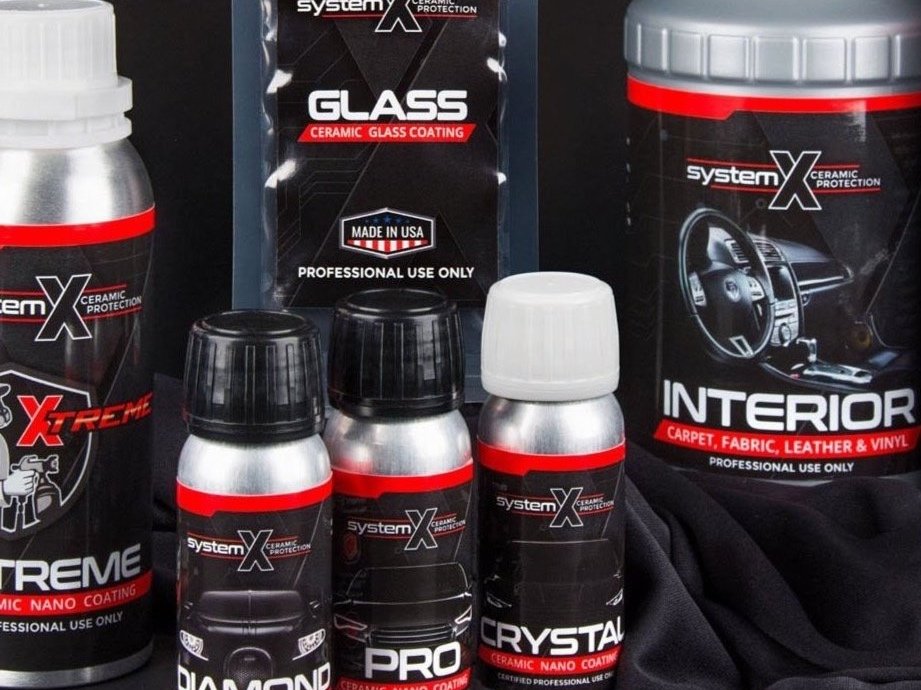
Ceramic coatings use silicon dioxide (SiO2) nanotechnology. Unlike wax that sits on top of your paint, ceramic coating forms a covalent bond with the clear coat. Think of it as creating a semi-permanent sacrificial layer that becomes part of your car's surface.
What Ceramic Coating Does Well
Hydrophobic protection: The coating creates a high contact angle for water (often exceeding 110 degrees), forcing water to bead up and roll off. This is crucial for San Diego's hard water problem. Water doesn't sit on your paint long enough to evaporate and leave mineral deposits.
Surface hardness: A quality ceramic coating rates 9H on the pencil hardness scale, significantly harder than your factory clear coat. This helps resist the micro-scratches from dust and light contact.
UV resistance: The ceramic layer absorbs UV radiation, protecting the clear coat underneath from photo-oxidation.
Chemical resistance: Salt, bird droppings, tree sap, and road chemicals have a much harder time bonding to the coated surface.
Easier cleaning: Dirt and contaminants don't stick as readily. Washes take less time and effort, and the car stays cleaner longer between washes.
What Ceramic Coating Doesn't Do
Let's clear up some common misconceptions:
It's not scratch-proof. It's scratch-resistant. A shopping cart or a key will still damage it.
It won't stop rock chips. That requires Paint Protection Film (PPF), which is a different product.
It's not maintenance-free. You still need to wash your car. The coating just makes washing easier and protects the paint between washes.
Graphene Coatings vs. "Triphene": Separating Science From Marketing
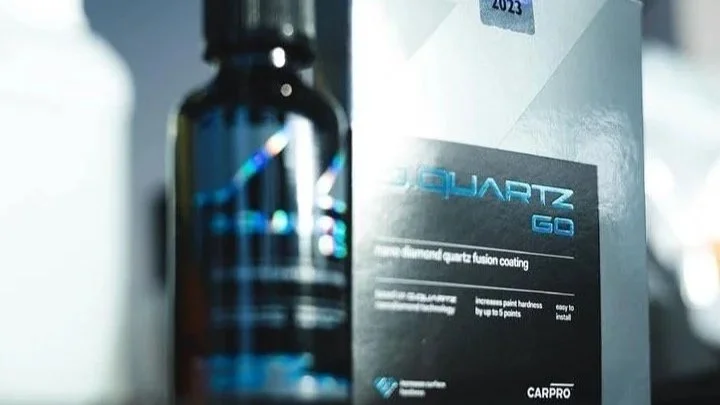
If you've been researching coatings, you've probably come across terms like "graphene" and "triphene." Here's what you need to know.
Graphene Coatings: Real Science
Graphene is a single layer of carbon atoms arranged in a hexagonal lattice. It won the Nobel Prize in Physics in 2010. When added to ceramic coating formulations, graphene provides some real benefits:
Better heat dissipation: Graphene conducts heat away from the surface, which can reduce water spotting in hot conditions.
Increased tensile strength: The coating is tougher and more resistant to wear.
Longer durability: Some graphene coatings last 5+ years with proper maintenance.
For San Diego specifically, the heat dissipation property is worth noting. In testing, graphene coatings show measurably lower surface temperatures than standard ceramic, which can reduce the severity of water spotting.
"Triphene": Marketing Without Substance
Here's where we need to be direct with you.
"Triphene" is a marketing term that has appeared in some product lines. Despite the scientific-sounding name, there's no basis for it in peer-reviewed chemical literature. When professionals have requested Safety Data Sheets (SDS) for these products (which manufacturers are legally required to provide), they've often been unavailable or incomplete.
Based on available information, products marketed as "triphene" appear to be standard silica/silicone blends with a buzzword attached.
Our recommendation: Ask for Safety Data Sheets. Look for products with documented, verifiable chemistry. If a company can't or won't provide proper documentation, that tells you something.
Protection Product Comparison
| Feature | Wax | Sealant | Ceramic (SiO₂) | Graphene |
|---|---|---|---|---|
| Durability | 4-8 weeks | 3-6 months | 2-5 years | 5+ years |
| Heat Resistance | Low | Moderate | High (>500°F) | Extreme (dissipates heat) |
| Hardness | Negligible | Low | 9H (pencil scale) | >9H |
| San Diego Suitability | Poor | Fair | Excellent | Superior |
The Real Cost: Is Ceramic Coating Worth It in San Diego?
Let's talk numbers. Professional ceramic coating costs $800-$1,500 in San Diego, depending on vehicle size and coating quality. That's not cheap. But here's the thing: when you run a 5-year comparison, ceramic coating actually costs less than the "cheap" approach.
| Cost Category | Traditional (Wax) | Ceramic Coating |
|---|---|---|
| Initial Application | $0 | $1,000 - $1,500 |
| Reapplication (5 years) | $1,000 (2x/year @ $100) | $0 |
| Car Washes (5 years) | $9,000 ($150/mo premium) | $4,800 ($80/mo basic) |
| Paint Restoration Risk | $2,500 (likely needed) | $0 |
| Resale Value Impact | -15% to -25% | +10% to +15% |
| 5-YEAR TOTAL | ~$12,500 + depreciation | ~$6,300 + value retention |
The math works because: Ceramic coating cuts your maintenance costs in half while protecting your resale value. In San Diego's harsh environment, unprotected paint degrades fast, and that shows when you sell.
DIY vs. Professional Ceramic Coating: What You Need to Know
DIY ceramic coating kits exist. They cost $50-$100. So why would anyone pay 10-20x more for professional application?
The 90/10 Rule of Ceramic Coating
Here's what most people don't realize: 90% of the final result comes from what happens BEFORE the coating goes on. The ceramic coating itself is just the final 10%.
Professional installation includes:
Decontamination: Iron remover to pull out embedded brake dust and metal particles. Clay bar to remove surface contaminants.
Paint Correction: Multi-stage polishing to remove swirl marks, scratches, and oxidation. This is where the gloss comes from.
Surface Prep: IPA wipedown to remove all oils and polish residue.
Coating Application: Controlled environment application with proper leveling and flash time.
Curing: 24-48 hours in a controlled environment before the vehicle is exposed to the elements.
Why DIY is Especially Risky in San Diego
Even if you have the polishing skills, San Diego's environment creates specific problems for DIY ceramic coating:
Humidity issues: The marine layer can interfere with coating cure times. Professional shops use controlled environments.
Dust contamination: Santa Ana winds can deposit dust on uncured coating, creating permanent imperfections.
Temperature fluctuations: Outdoor application means dealing with temperature swings that affect coating behavior.
If you apply a DIY coating over scratched, contaminated paint, you're just sealing in the imperfections. And if the coating doesn't cure properly, it can fail within months.
How to Maintain Your Ceramic Coating in San Diego
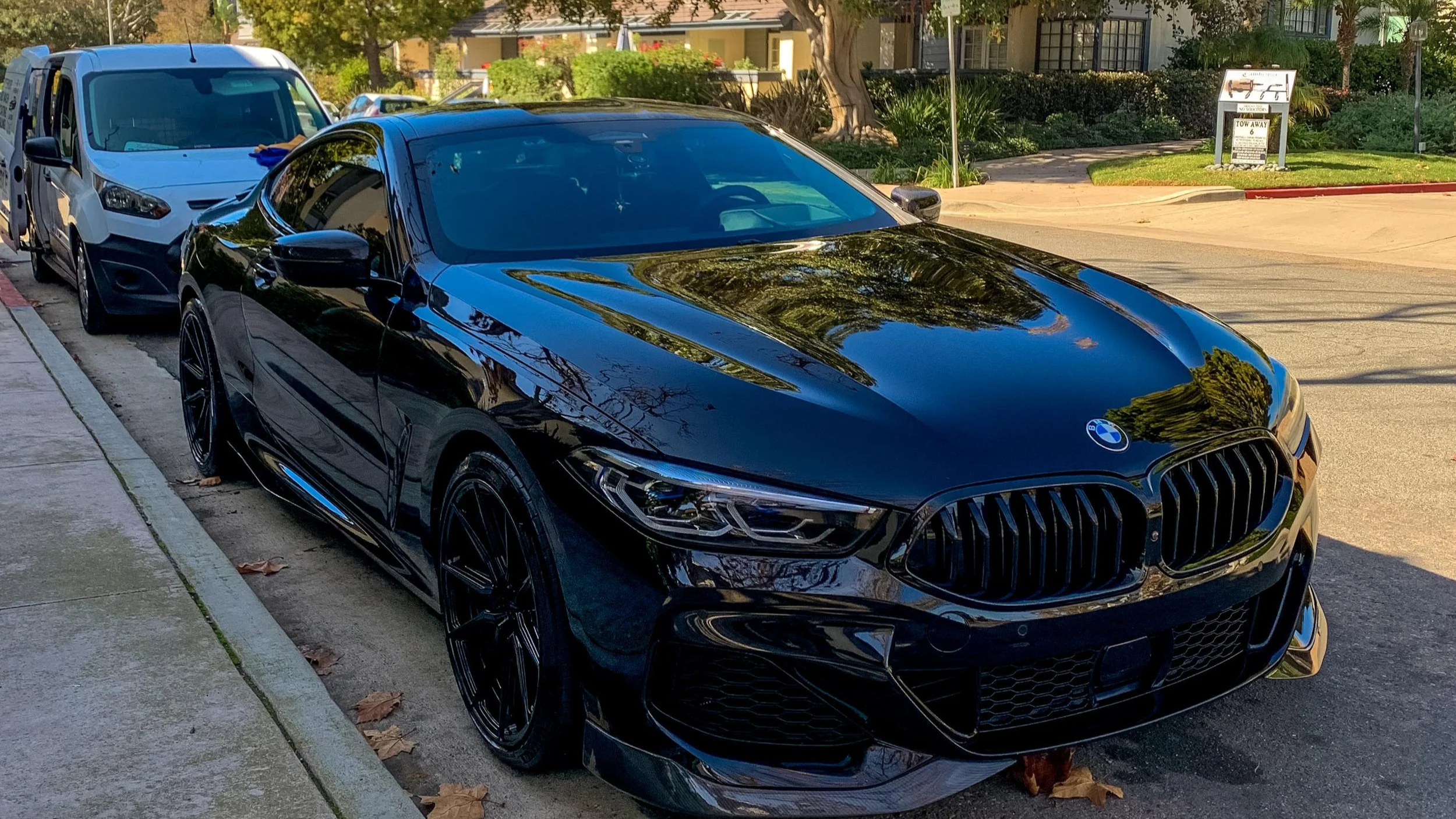
Ceramic coating reduces maintenance, but it doesn't eliminate it. Here's how to keep your coating performing:
Do This
Wash regularly: Every 1-2 weeks is ideal. Use a pH-neutral car wash soap designed for ceramic coatings.
Use proper wash technique: Two-bucket method. Microfiber mitts only. Rinse thoroughly.
Dry completely: Use a clean microfiber drying towel or air blower. Don't let San Diego's hard water sit on the surface.
Apply a booster spray: Every 3-4 months, use a SiO2 booster spray to maintain hydrophobicity.
Park in shade when possible: The coating provides UV protection, but reducing direct sun exposure extends its life.
Don't Do This
Automatic car washes: The brushes cause micro-scratches. Touchless washes are okay occasionally, but hand washing is best.
Harsh chemicals: Avoid degreasers, acidic cleaners, or anything with high pH unless specifically designed for ceramic.
Dry wiping: Never wipe dust off with a dry cloth. You'll scratch the coating.
Neglecting bird droppings: Remove these quickly. Even with coating protection, acidic bird droppings can cause etching if left for days.
Frequently Asked Questions About Ceramic Coating in San Diego
-
With proper maintenance, professional ceramic coatings last 2-5 years in San Diego. The upper end of that range requires regular washing, booster applications, and garage parking. Graphene coatings can exceed 5 years.
-
No. Ceramic coating provides chemical and UV protection, not impact protection. For rock chip protection, you need Paint Protection Film (PPF). Many San Diego owners combine both: PPF on high-impact areas (front bumper, hood, mirrors) and ceramic coating on the rest.
-
Touchless automatic washes are acceptable occasionally. Brush washes will cause micro-scratches that accumulate over time. Hand washing is always the best option for coated vehicles.
-
Professional ceramic coating in San Diego typically ranges from $800 to $1,500, depending on vehicle size, paint condition (how much correction is needed), and coating quality. Premium graphene coatings can run $1,500-$2,500.
-
It depends on your lease terms. If you'll be charged for paint condition at turn-in, ceramic coating can save you money. It also makes the vehicle easier to maintain during your lease. For a 3-year lease, a mid-tier ceramic coating makes sense. For shorter leases, consider a quality sealant instead.
-
A full ceramic coating service takes 1-3 days. Most of that time is paint correction and prep work. The actual coating application takes a few hours, followed by 24-48 hours of curing time before you can drive the vehicle.
-
Yes, and it's actually ideal. New cars still need decontamination (dealer lots expose them to fallout) but typically require minimal paint correction. Protecting a new car's paint from day one prevents the damage that becomes expensive to fix later.
What to Expect from Professional Ceramic Coating
When you bring your vehicle to a reputable ceramic coating provider, here's the process:
Step 1: Assessment We inspect your paint under controlled lighting to identify scratches, swirl marks, oxidation, and contamination. This determines how much correction work is needed and gives you an accurate quote.
Step 2: Wash and Decontamination Full hand wash, iron fallout remover to pull out embedded metal particles, clay bar treatment to remove bonded surface contaminants.
Step 3: Paint Correction Multi-stage machine polishing to remove scratches and restore gloss. This is where most of the time goes. A heavily swirled vehicle might need 8-12 hours of polishing alone.
Step 4: Surface Prep IPA (isopropyl alcohol) wipedown to remove all polishing oils. The surface must be completely clean for the coating to bond properly.
Step 5: Coating Application Ceramic coating is applied panel by panel, leveled, and allowed to flash before wiping. This requires proper technique to avoid high spots and streaking.
Step 6: Curing The vehicle stays in our climate-controlled facility for 24-48 hours while the coating cures. During this time, it's protected from moisture, dust, and temperature fluctuations.
Step 7: Final Inspection and Delivery We review the finished work with you, explain proper maintenance, and provide care products to take home.
Why Fresh Layer Mobile Detailing Is Your Best Choice
At Fresh Layer Mobile Detailing, we specialize in professional ceramic coating services designed to enhance and protect your car. Here’s why we’re the trusted choice:
Top-Tier Products
We use industry-leading ceramic coatings like Ceramic Pro and CarPro CQuartz.Expert Technicians
Our team is trained in precise application techniques for flawless results.Comprehensive Packages
From paint correction to aftercare, we handle every step of the process.Flexible Scheduling
Our mobile services bring premium ceramic coating to your doorstep.Customer Satisfaction Guarantee
Your satisfaction is our priority, and we back our services with a warranty.
The Bottom Line: Protecting Your Investment in San Diego
San Diego's climate is tough on cars. The combination of salt air, intense UV radiation, extreme water hardness, and temperature swings creates conditions that traditional protection methods simply can't handle.
Ceramic coating isn't a luxury anymore. For San Diego car owners who want to maintain their vehicle's appearance and protect their resale value, it's become a practical necessity.
The initial cost is real, but the 5-year math is clear: professional ceramic coating costs less than the constant reapplication of wax, the premium car washes needed to keep unprotected paint looking decent, and the paint restoration you'll eventually need when San Diego's environment does its damage.
If you're considering ceramic coating, we offer free paint assessments where we'll evaluate your vehicle's current condition, show you exactly what correction work is needed, and give you a transparent quote.
Ready to Protect Your Car from San Diego's Climate?
Contact Fresh Layer Mobile Detailing for a free paint assessment. We'll evaluate your vehicle's condition and give you an honest recommendation.
WE HAVE COMPLETED OVER A 1000+ PROJECTS