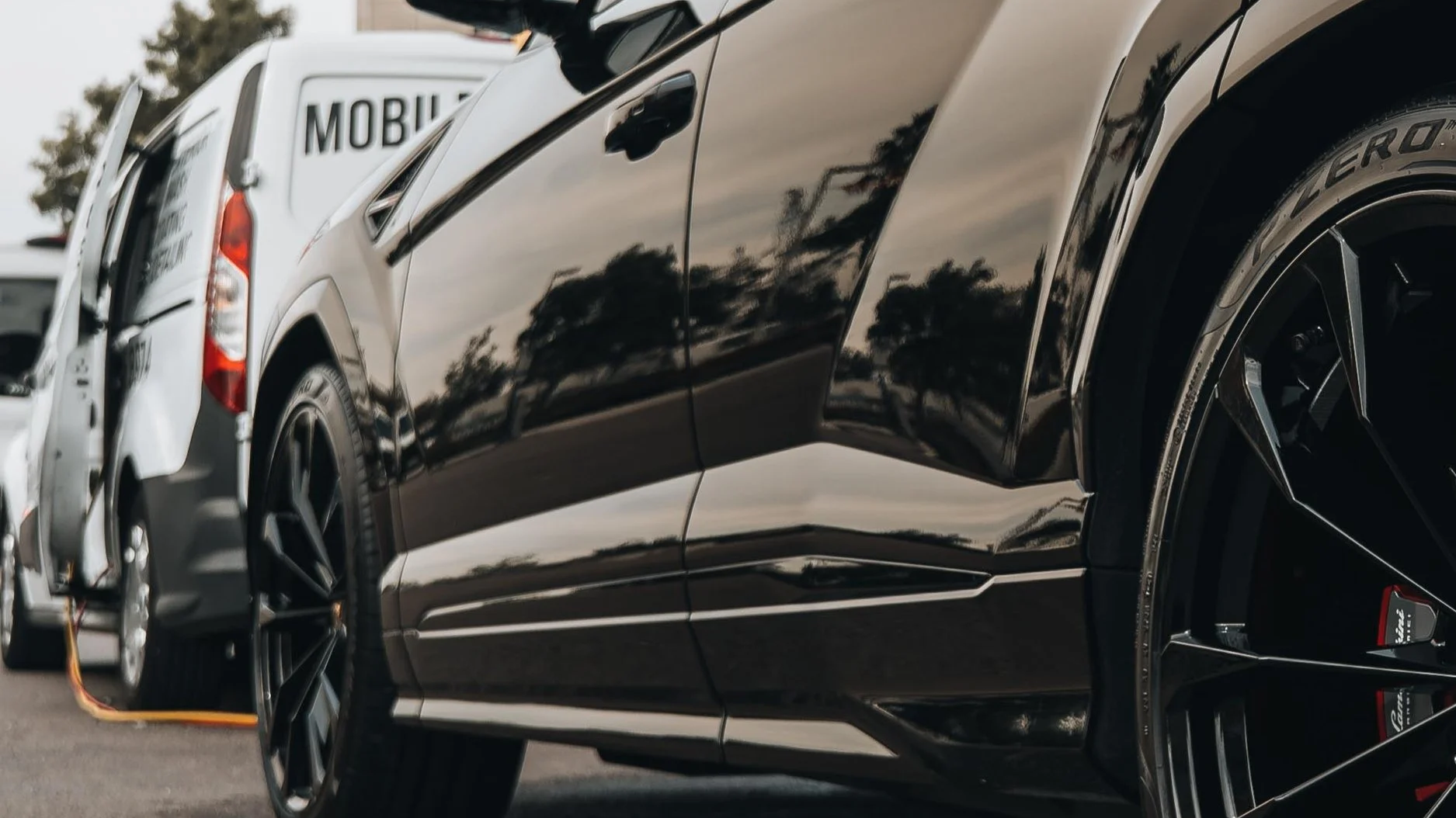
Car Polish vs Wax: Which One First?
Wondering whether you should polish or wax your car? You're not alone. This is the most common question we hear at Fresh Layer Mobile Detailing, and there's a good reason for the confusion—these two processes sound similar but do completely different things to your paint.
Here's the short answer: polish corrects your paint by removing imperfections, while wax protects your paint by adding a barrier against the elements.
Most cars need polishing first to fix problems, then waxing to prevent future damage. But using them in the wrong order or at the wrong time can actually harm your paint instead of helping it.
Why Do We Know What’s Better for Your Car?
I'm Alex B., Lead Detailing Specialist here at Fresh Layer. I've been correcting and protecting automotive paint for over 12 years, and I've worked on more than 3,000 vehicles. I'm IDA-certified (International Detailing Association) and trained in advanced paint correction techniques. This guide shares exactly what I've learned from hands-on experience about when to polish, when to wax, and how to keep your car's paint looking incredible.
Whether you're trying to fix scratches, protect a new car, or just maintain what you've got, understanding the difference between polishing and waxing will save you time, money, and potential damage to your vehicle.
Need professional help with your car's paint? Schedule a consultation or call (619) 874-4115- we serve all of San Diego County.
Understanding the Difference: Polish vs Wax
What Each Process Actually Does
Think of polishing as medicine and waxing as vitamins. Medicine fixes a problem that already exists. Vitamins help prevent problems from developing. Your car's paint works the same way.
Polish is corrective. It removes a microscopic layer of your car's clear coat to eliminate surface imperfections—scratches, swirl marks, oxidation, water spots. When you polish, you're essentially sanding the paint smooth again, but at such a fine level that you're restoring clarity without causing damage.
Wax is protective. It adds a sacrificial layer on top of your paint that takes the beating from UV rays, bird droppings, road salt, and everything else your car faces. When that wax layer degrades over time, you simply reapply it. The paint underneath stays protected.
Here's what confuses people: both make your car shiny. But they achieve shine in different ways. Polish creates shine by revealing clean, smooth paint. Wax creates shine by adding a glossy protective layer. You get the best results when you do both—polish to perfect the surface, then wax to protect and enhance it.
When Your Car Needs Polishing
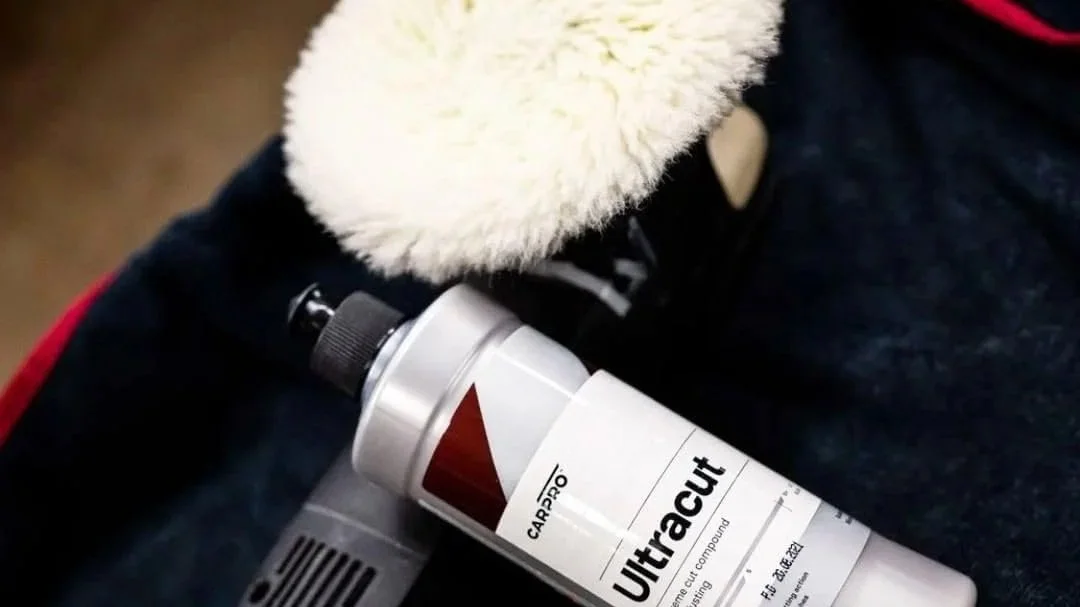
Recognizing Paint Problems
Run your hand across your car's paint in good lighting. Does it feel perfectly smooth, or do you notice rough spots? Look at your reflection in the paint. Is it crystal clear, or does it look hazy and unclear?
If your paint has lost its clarity, polishing can bring it back. Over time, microscopic scratches accumulate from washing, dust, and just being outside. These scratches scatter light instead of reflecting it clearly, making your paint look dull even after a fresh wash.
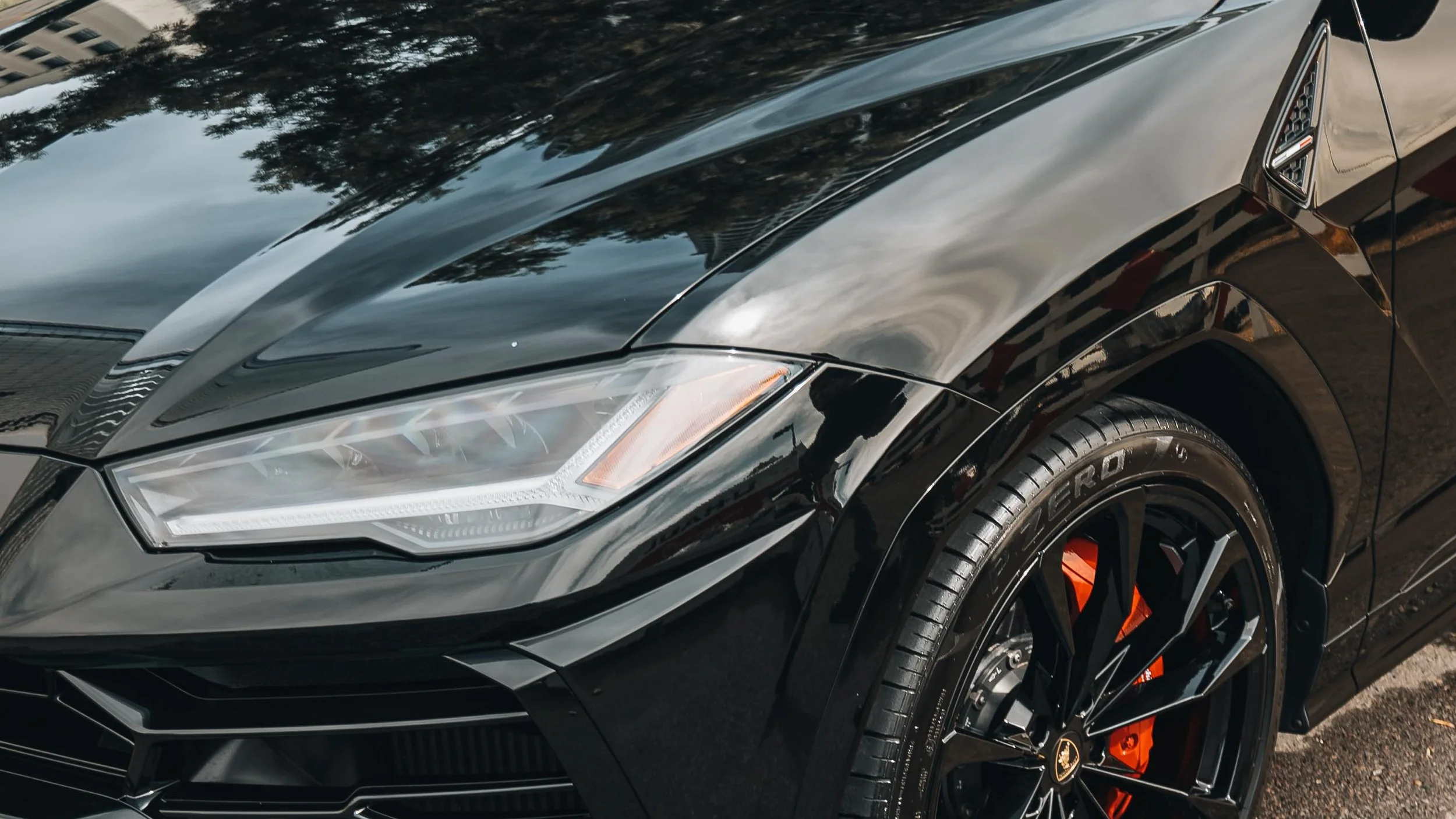
I see this all the time with black cars especially. Owners bring them in saying "my car looks grey instead of black." That's not the paint fading—it's thousands of tiny scratches making the surface hazy. After proper polishing, that same car looks deep black again because light reflects cleanly off smooth paint.
Common Problems Polishing Fixes
Swirl marks are probably the most common issue. These are the circular scratches you see under lights, usually caused by improper washing technique or automatic car washes. The spinning brushes create circular patterns that polish can remove.
Water spots happen when mineral-rich water dries on your paint and etches into the clear coat. Here in San Diego, our hard water makes this especially common. Light water spots come out with polishing. Deep ones might need more aggressive correction.
Oxidation shows up as dullness or fading, particularly on older cars or those parked outside constantly. UV rays break down the clear coat over time, making it chalky. Polish removes that oxidized layer and reveals the color underneath.
Light to moderate scratches—the kind you can barely feel with your fingernail—typically respond well to polishing. Deep scratches that you can catch your nail in might need heavier correction or even touch-up paint.
The Types of Polish We Use
Different paint problems need different levels of correction. Professional detailers choose compounds based on how damaged the paint is and how much clear coat remains.
Light polish works for newer cars or those with minor imperfections. It's the least aggressive option, removing just enough clear coat to eliminate surface-level scratches while preserving as much thickness as possible. This is what we use for maintenance polishing on well-kept vehicles.
Medium polish handles moderate damage—visible swirl marks and light scratches that haven't been addressed in a while. This is the sweet spot for most cars that haven't been detailed regularly. It provides noticeable improvement without being overly aggressive.
Heavy cut compound is for severe cases with deep scratches or heavy oxidation. This removes more material to level deeper defects. We only use this when necessary because it removes more clear coat. Done properly by professionals with paint thickness gauges, it's safe. Done improperly, it can damage paint permanently.
That's why I always measure paint thickness before polishing. Most factory clear coats are 1.5 to 2.5 mils thick. Our policy at Fresh Layer is never to remove more than 0.3 mils in a single correction session. This preserves enough clear coat for future maintenance while achieving excellent results.
When You Shouldn't Polish
More isn't always better with polishing. If your paint is already thin from previous correction work, additional polishing could break through the clear coat and cause serious damage. This is why paint thickness measurement matters.
Newly painted cars need time to fully cure before polishing—typically 30 to 90 days depending on the paint system used. Polishing fresh paint can cause issues with how the paint hardens.
If your car's paint is in perfect condition, there's no need to polish just for the sake of polishing. Polish is corrective, not maintenance. Save it for when you actually have problems to fix.
When Your Car Needs Waxing
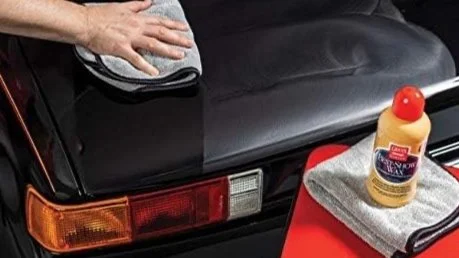
Why Protection Matters
Even perfect paint needs protection. Your car's clear coat acts as a barrier between the paint color and the outside world, but it's not invincible. UV rays gradually break it down. Acid rain and bird droppings can etch into it. Road salt and chemicals attack it constantly.
Wax creates an additional sacrificial layer that absorbs this damage instead of your clear coat. When the wax degrades, you simply reapply it. The clear coat underneath remains intact.
According to the International Detailing Association, UV radiation causes 60-80% of automotive paint degradation over a vehicle's lifetime. Regular waxing significantly slows this process by reflecting UV rays before they reach the paint.
Signs Your Wax Has Worn Off
The easiest test is the water test. Spray clean water on your paint. If it beads up into tight little balls that roll off easily, your wax is still working. If the water sheets off or sits flat on the surface, your wax protection is gone.
You might also notice your car getting dirtier faster and being harder to clean. Wax makes surfaces slick, so dirt doesn't stick as easily. Without wax, contaminants bond more strongly to the paint.
Paint that looks dull even after washing is another sign. Fresh wax adds depth and gloss that makes colors pop. When that goes away, it's time to reapply.
The Types of Wax Available
Natural carnauba wax comes from the carnauba palm tree and creates a warm, deep shine that enthusiasts love. It's the traditional choice for show cars and luxury vehicles. The downside is that it typically lasts only 4-6 weeks before needing reapplication.
Synthetic wax uses polymer technology to create longer-lasting protection. Quality synthetic waxes can last 3-6 months, making them practical for daily drivers. They bond more strongly with paint and handle weather better than natural wax.
I tell customers that if you care most about appearance and don't mind frequent reapplication, go with carnauba. If you want maximum protection with less maintenance, choose synthetic. Both work well—it's about matching the product to your priorities and how much effort you want to invest.
Spray wax is a convenient option for quick touch-ups between full waxing sessions. It's easy to apply and adds shine, but doesn't provide the same level or duration of protection as paste or liquid wax. Think of it as a booster, not a replacement for proper waxing.
How Often to Wax
Most cars benefit from waxing every 2-3 months. Here in San Diego, our intense sun exposure means you might need to wax more frequently—closer to every 2 months for maximum protection.
New cars should be waxed right away to protect that fresh paint. Don't assume new paint means protected paint. Factory clear coat needs wax just like older paint does.
If you've recently polished your car, waxing immediately after seals that corrected surface and prevents new damage from starting. This is when wax matters most—right after you've invested time and money getting the paint perfect.
Should You Polish or Wax Your Car?

The Decision Framework
Start by honestly assessing your paint's condition. Take your car outside on a sunny day. Walk around it slowly, looking at the paint from different angles. Run your hand over the surface. What do you see and feel?
If you see scratches, swirl marks, or hazy dullness, you need polishing. If the paint looks clear but water doesn't bead when you spray it, you need waxing. If both problems exist, you need both—polish first, then wax.
Don't make this decision based on how recently you washed the car. A clean car with damaged paint still needs polishing. A dirty car with protected paint just needs washing. You're looking at the paint's condition, not its cleanliness.
Functionality According to Professionals
Polishing: Aimed at correcting paint imperfections by removing a thin layer of the clear coat. This process is essential for restoring the paint's clarity and shine.
Waxing: Focused on protecting the paint by adding a layer that shields it from environmental damage while enhancing its gloss.
Application Process
Polishing: This process, performed by skilled professionals, involves using a machine polisher and a specific compound to buff out imperfections. It requires precision and expertise to avoid damaging the paint.
Waxing involves applying a protective wax layer with an applicator pad and then buffing it off to achieve a smooth, glossy finish. This process is less invasive and can be done more frequently than polishing.
Impact on Paint
Polishing: This process removes a small amount of the clear coat to eliminate defects. It should be done sparingly to preserve the integrity of the paint.
Wax adds a protection layer to your car paint, safeguarding it from future damage and enhancing its appearance.
Frequency of Use
Polishing: Due to its abrasive nature, polishing should be performed 1-2 times a year, depending on the condition of your paint.
Waxing: Waxing can be done every 2-3 months to maintain optimal protection and shine and ensure your vehicle remains in top condition.
When to Use Polishing

Before Waxing
Surface Preparation: If your car's paint has visible imperfections like scratches or swirl marks, polishing is necessary before waxing. Our Fresh Layer Mobile Detailing experts ensure that polishing is done meticulously to prepare the surface for the best waxing results.
Restoring Faded Paint
Bringing Back the Shine: For vehicles with dull or faded paint, polishing is essential and a game-changer. This process is the key to restoring the original color and gloss, removing oxidation that causes the paint to lose its luster. For Older Vehicles
Revitalizing the Exterior: Older cars often have worn-out paint. Polishing can revitalize the appearance of these vehicles, making them look newer and better maintained.
When to Use Waxing
After Polishing
Sealing the Surface: After polishing, waxing is crucial to seal the restored surface and protect it from further damage. This step locks in the shine and adds a layer of protection against the elements.
Regular Maintenance
Ongoing Protection: Waxing is not just a one-time process but a regular maintenance routine that protects your car's paint and makes it look its best. It also helps maintain the glossy finish achieved through polishing, ensuring you take proactive steps to preserve your car's appearance and value. For Newer Vehicles
Preventative Care: Even if your car is new and free of imperfections, waxing is essential for preventing future damage. Regular waxing helps protect the paint from UV rays, road debris, and other environmental factors.
Can You Polish and Wax at the Same Time?
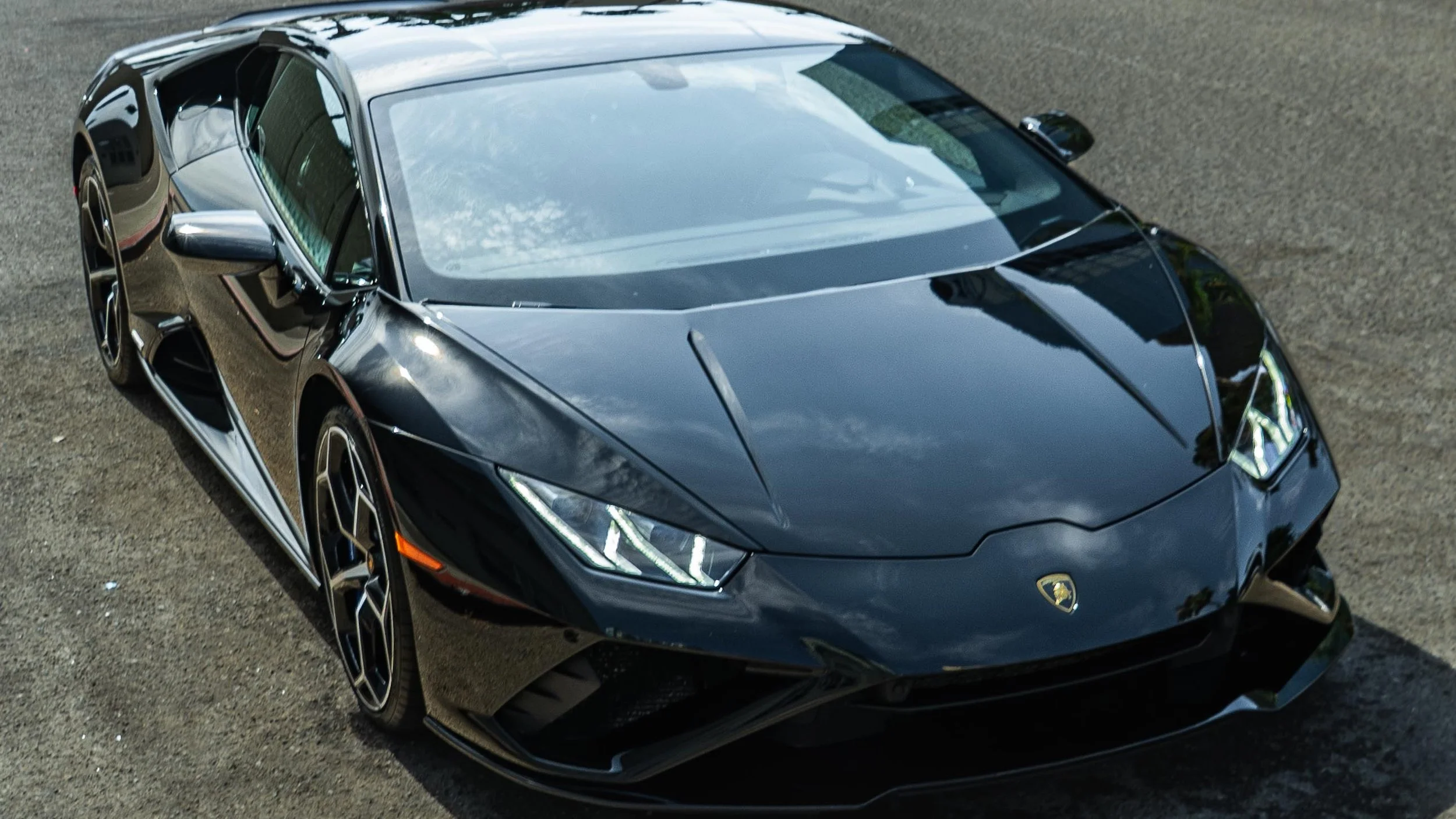
The Combined Process
Yes, You Can: Polishing and waxing can be done in the same detailing session, but it's essential to polish first. At Fresh Layer Mobile Detailing, we recommend polishing to remove imperfections. Once the surface is smooth and defect-free, we apply a high-quality wax to protect the car's clear coat and enhance the gloss.
Common Mistakes to Avoid
Wax Before Polishing: Waxing before polishing can seal imperfections, making them more difficult to correct later. Always polish first, then wax.
Over-Polishing: Polishing too often can wear down the clear coat, so it's crucial to polish only when necessary.
Benefits of Combining Polishing and Waxing
Maximized Results: Combining these processes ensures your car's paint is smooth, glossy, and well-protected, giving it a like-new appearance that lasts.
Professional Help vs DIY
When to Call Professionals
Polishing carries real risk if done incorrectly. If you've never polished a car before, starting with a $40,000 vehicle isn't the time to learn. The learning curve involves potential mistakes, and those mistakes permanently remove clear coat you can't get back.
Professionals bring proper equipment—we use $3,000+ machines with variable speed control and proper pads. We bring experience knowing how different paints respond, what compounds work for which problems, and when to stop. We bring insurance that covers any unlikely mishaps.
For significant paint correction—removing heavy swirl marks, oxidation, or moderate scratches—professional service typically delivers better results and avoids costly mistakes. The $150-300 investment is reasonable insurance against potential damage.
When DIY Makes Sense
Waxing is very DIY-friendly. With quality products and proper technique, you can achieve professional-level protection at home. The risk of damage is minimal, and the process is straightforward.
Light polishing with dual-action polishers can also work for enthusiasts willing to practice and learn proper technique. Start on less visible panels, use lighter compounds, and take your time. Watch professional tutorials, invest in quality products, and understand that results improve with experience.
For regular waxing maintenance, DIY saves significant money over time while keeping your car properly protected. For major paint correction, professional help typically makes more sense unless you're committed to learning the craft.
The Mobile Detailing Advantage
We bring professional equipment, products, and expertise to your location. You don't need to drive to a shop, wait around, or arrange rides. We work at your home or office while you handle other things.
Mobile detailing eliminates the hassle while ensuring professional results. For most people, the convenience is worth the investment, especially for polishing where expertise really matters.
Is It Better to Wax or Polish a Car?
Choosing Waxing
For Protection: Waxing is better if the paint is in good condition and only needs protection. It's ideal for newer cars or as a maintenance routine after polishing.
Choosing Polishing
For Correction: Polishing is better if the paint has imperfections that need correction before protection. It's the go-to solution for restoring clarity and removing defects.
When Should You Not Polish Your Car?
Avoid Over-Polishing
Thin Paint: If your car's paint is already thin due to previous polishing, frequent polishing can wear it down further, leading to damage.
New Paint Jobs
Curing Time: Avoid polishing newly painted cars until the paint has fully cured (typically 30-90 days). Polishing too soon can damage the fresh paint.
Can I Wax My Car Without Polishing It?
Waxing Without Polishing
Yes, But... You can wax your car without polishing if the paint is in good condition. However, for the best results, polishing should be done first if there are any imperfections. Waxing without polishing is acceptable for maintenance, but polishing ensures the surface is perfect before sealing it with wax.
Which is Better, Car Wax or Polish?
Purpose Determines Use
Wax for Protection: Choose wax to protect and enhance the shine of your car's paint.
Polish for Correction: Choose polish to correct and restore the paint before applying wax. Both serve essential roles but are used in different stages of car care.
Frequently Asked Questions (FAQs) About Polishing and Waxing
Can I wax my car without polishing it first?
Yes, but polishing first provides a better surface for the wax, leading to longer-lasting results.
How often should I polish my car vs. how often should I wax it?
Polish 1-2 times a year; wax every 2-3 months to maintain optimal protection and shine.
Can polishing damage my car's paint?
Not if done correctly. However, over-polishing or using harsh compounds can cause damage. It's best to leave this to professionals if you need clarification.
What's the difference between a polish and a rubbing compound?
Rubbing compound is more abrasive and used for severe defects. At the same time, polish is less abrasive and used for lighter imperfections and enhancing gloss.
Is synthetic wax better than natural wax?
Synthetic wax offers longer-lasting protection, while natural carnauba wax provides a more prosperous, deeper shine. The choice depends on your priorities: durability or appearance.
Conclusion: Choosing the Right Technique for Your Car
Recap: Polishing and waxing serve different purposes in car care—polishing corrects paint imperfections, and waxing protects and enhances the shine.
Final Thoughts: Both techniques are essential for maintaining your car's appearance and protecting its paint. Regular care through polishing and waxing will keep your vehicle looking its best for years.
Get Professional Paint Care in San Diego
Why Choose Fresh Layer Mobile Detailing
We're San Diego's trusted mobile detailing specialists, bringing over 15 years of combined experience directly to your location. Our team holds IDA certification and training in advanced paint correction techniques.
We use professional-grade equipment including Rupes polishers, Lake Country pads, and premium compounds and waxes. We measure paint thickness on every job to ensure safe correction. We're fully insured with $2 million liability coverage.
But what really sets us apart is honest assessment. We'll tell you if your car needs polishing or if waxing alone is sufficient. We won't upsell services you don't need, and we'll explain exactly what we recommend and why.