


How Often Should You Wax Your Car? (Guide by Wax Type & Climate)
Knowing how often you should wax your car comes down to two things: the type of wax you're using and where your car lives. Carnauba wax needs reapplying every 6-8 weeks. Synthetic wax lasts 4-6 months. Spray wax wears out in 2-4 weeks. At Fresh Layer Mobile Detailing, it's one of the most common questions we get from drivers across San Diego County — and the answer always starts with your wax type, not an arbitrary schedule.
Why Waxing Frequency Actually Matters
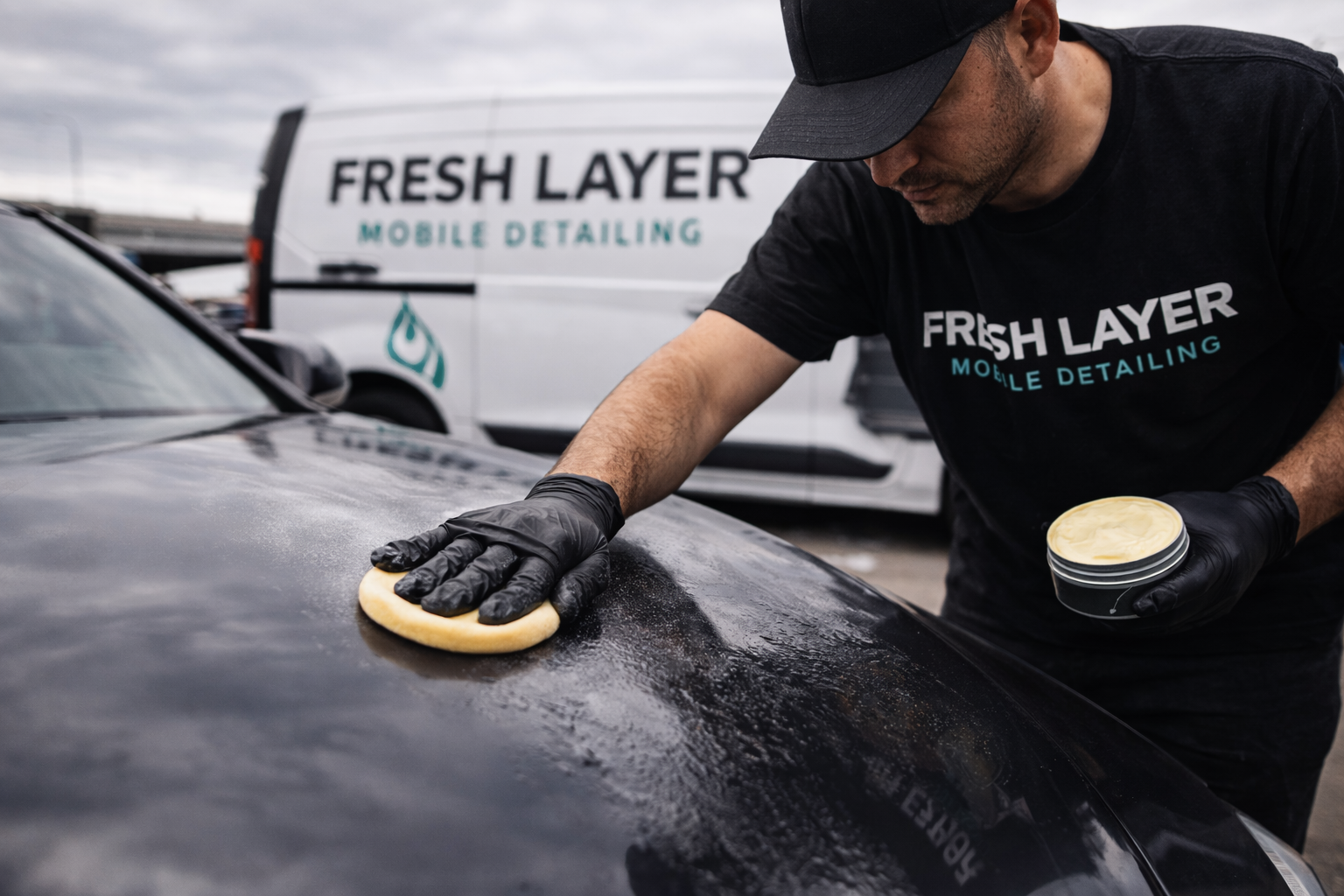
Wax isn't decorative. It's the outermost layer of protection on your clear coat, sitting between your paint and everything the environment throws at it — UV rays, bird droppings, tree sap, road grime, and salt air. When that layer breaks down, those elements start working directly on your paint. Over time, that means oxidation, a dull finish, and eventually clear coat damage that no wax can fix.
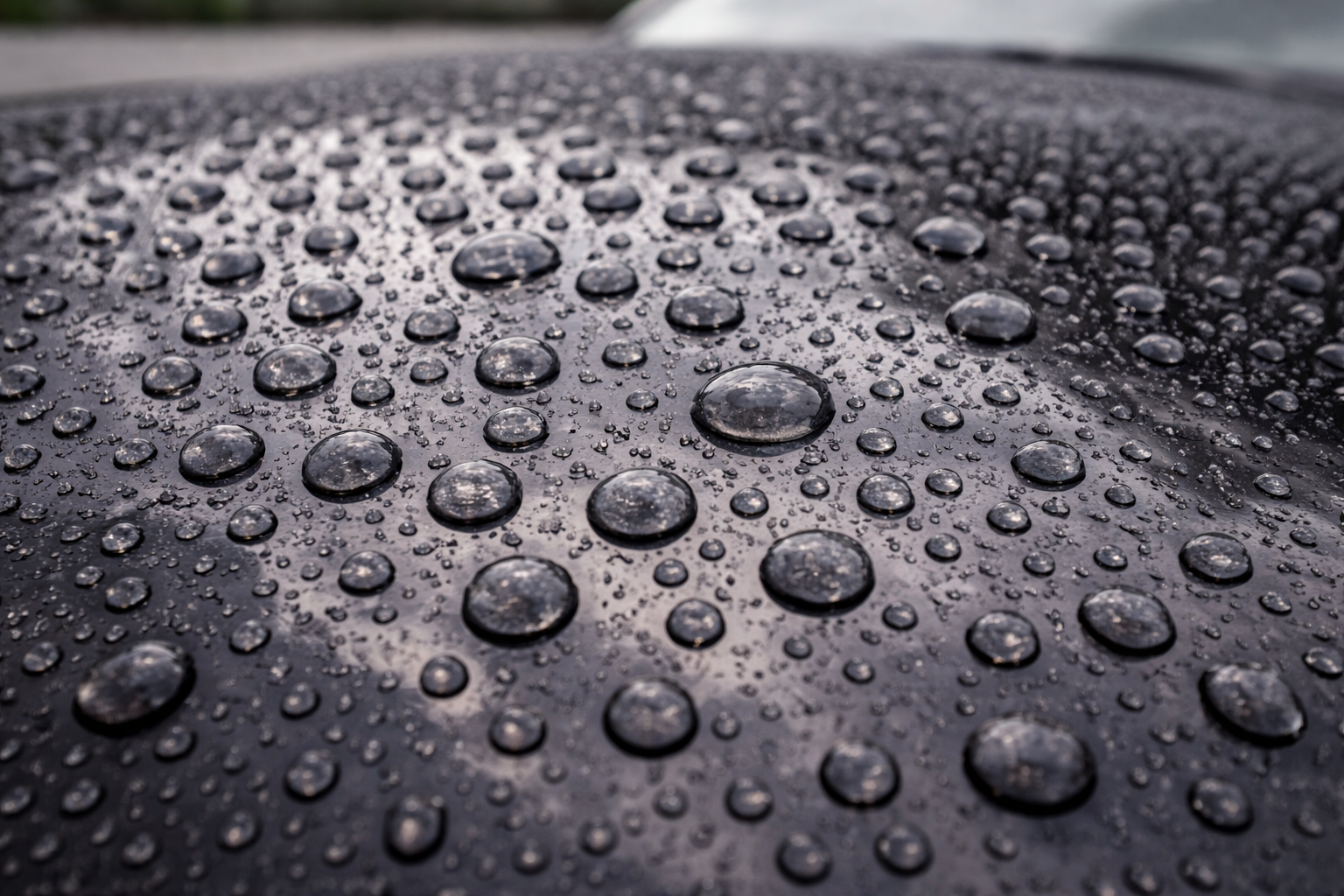
Wax durability is predictable if you know what to look for. Water beading is your real-time indicator. When a hose or rain causes water to bead up and sheet cleanly off the surface, your wax is intact. When water spreads flat instead of beading, you've hit the reapplication window. That test is more reliable than any calendar.
Regular waxing also makes your car easier to maintain between details. The slick surface means contaminants release with less effort, which reduces the micro-scratches and paint swirls that build up from repeated washing over time.
To learn more about the best types of car wax and how to apply them, check out our detailed guide, The UltimateGuide to Car Wax: From Selection to Application.
How Often to Wax Your Car by Wax Type

The single biggest factor determining how often you should wax your car is the product you're using. Different wax formulas have fundamentally different durability windows, and choosing the wrong one for your lifestyle means either over-waxing or leaving your paint exposed.
Carnauba Wax
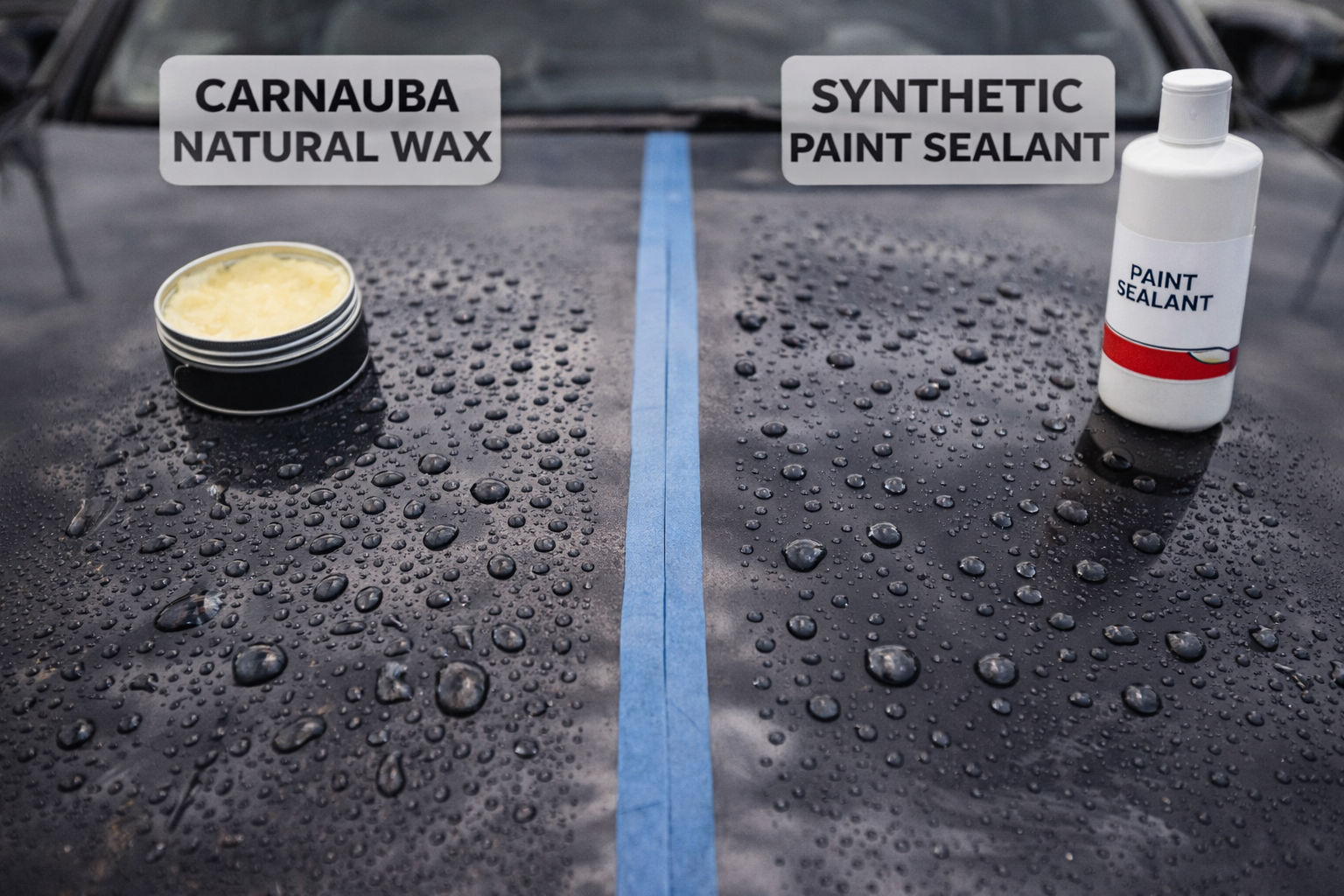
Carnauba is a natural wax made from Brazilian palm leaves. It produces a warm, deep gloss that synthetic formulas still haven't fully replicated, which is why it's the choice for show cars and weekend vehicles. The tradeoff is longevity — carnauba wax typically lasts 6-8 weeks under normal driving conditions. In a high-UV environment like coastal Southern California, plan for the shorter end of that range. For most drivers asking how often to wax their car, natural wax requires the most frequent maintenance schedule of the three options.
Synthetic Wax and Paint Sealants
Synthetic polymer waxes are engineered for durability above all else. A quality synthetic wax or paint sealant lasts 4-6 months, sometimes longer on a garaged car. The finish runs slightly cooler in tone than a natural wax, but for daily drivers, the protection you get relative to the effort required makes this the smarter call. If your main question is how long does car wax last in real-world use, synthetic is consistently the better answer.
Spray Wax
Spray wax is a maintenance product, not a standalone protectant. It lasts 2-4 weeks and works best as a top-up between full wax applications — keeping the hydrophobic properties active and the surface slick while your base coat does the real work. Using spray wax after a wash and wax session is a good habit that extends your full coat's effective life by a week or two.
How Often Should You Wax a Black Car?
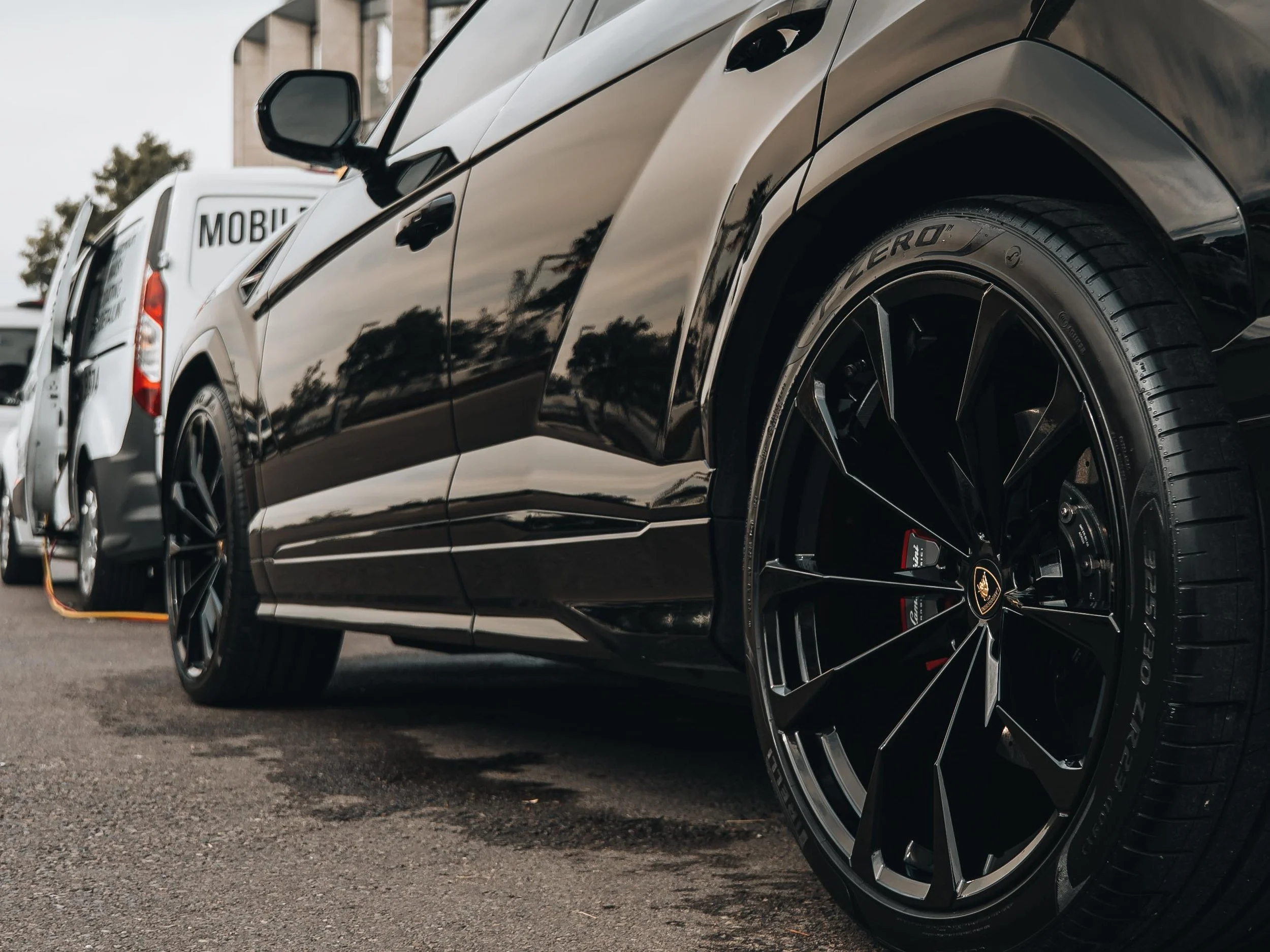
How often you should wax a black car follows the same schedule as any other color — the wax type and parking conditions set the interval, not the paint color. What changes with black is how fast skipping a wax cycle becomes obvious.
Black paint reveals oxidation earlier and more visibly than lighter colors. A dull, chalky appearance is almost always wax depletion combined with surface oxidation.
Paint swirls from washing also show more prominently on darker finishes, which is why a clay bar decontamination before waxing matters more on black vehicles.
Applying wax over a contaminated surface embeds the problem rather than protecting against it.
If you drive a black car parked outside in San Diego, treat the 6-week natural wax reapplication as a firm deadline. The combination of UV exposure, salt air, and dark paint that shows every imperfection makes regular waxing non-negotiable.
If you own a black car and want to ensure a brilliant shine while protecting your paint, read our guide on the Best CarWax for Black Cars: Shine Like Never Before.
How Often to Wax If Your Car Parks Outside
Cars parked outside full-time need waxing every 6-8 weeks with a natural wax, or every 10-12 weeks with a synthetic wax. In strong sun, lean toward the shorter end of both windows.
When a car lives outside, wax degradation is constant. UV exposure doesn't stop between drives. Bird droppings, tree sap, and airborne contaminants land on the paint overnight. In coastal areas, marine layer moisture deposits salt-laden air on the surface by morning. All of these factors work together to break down wax faster than a garaged vehicle experiences in twice the time.
If your car parks under trees, jacarandas are a particular problem in this part of Southern California from May through July. The sticky honeydew they drop is mildly acidic and can etch clear coat if it sits long enough — and it eats through thin wax protection quickly. Parking outside under tree cover is genuinely one of the harshest conditions for wax durability.
For garaged vehicles driven less than 15,000 miles per year, a natural wax at every 8 weeks and synthetic at the 5-6 month mark are safe intervals. Do the water bead test at the 10-week mark regardless of which product you used — it's the only reliable check.
Waxing in San Diego: How Local Conditions Change the Schedule
San Diego is one of the harder environments for car paint in the US, even without the winter salt damage that destroys vehicles in colder states.
The UV index here hits 10 or above throughout summer — that's the "very high" tier that sunscreen warnings reference. Car paint absorbs that radiation for hours every day. UV breaks down the chemical bonds in wax, degrades clear coat polymers, and is the primary driver of paint oxidation in Southern California. It's also why vehicles here tend to show fading and chalking faster than those in cloudier, milder climates.
The Pacific marine layer adds another layer of difficulty. Overnight moisture rolling in from the ocean deposits salt air across the coastal zones — from La Jolla and Pacific Beach through Coronado. That salt doesn't evaporate cleanly. It sits on your paint and works against your wax protection between every drive.
Hard water is worth accounting for too. San Diego's water supply is moderately hard, and water spots from a sprinkler hit or a quick rinse that dries in direct sun etch into clear coat over time. Wax provides the barrier that makes those spots removable before they become permanent.
Given all of this, drivers in this climate should consistently wax on the shorter end of each product's range. The 6-8 week natural wax window is a maximum here, not a guideline.
Hand Wax vs. Machine Wax: Does Application Method Affect How Long It Lasts?
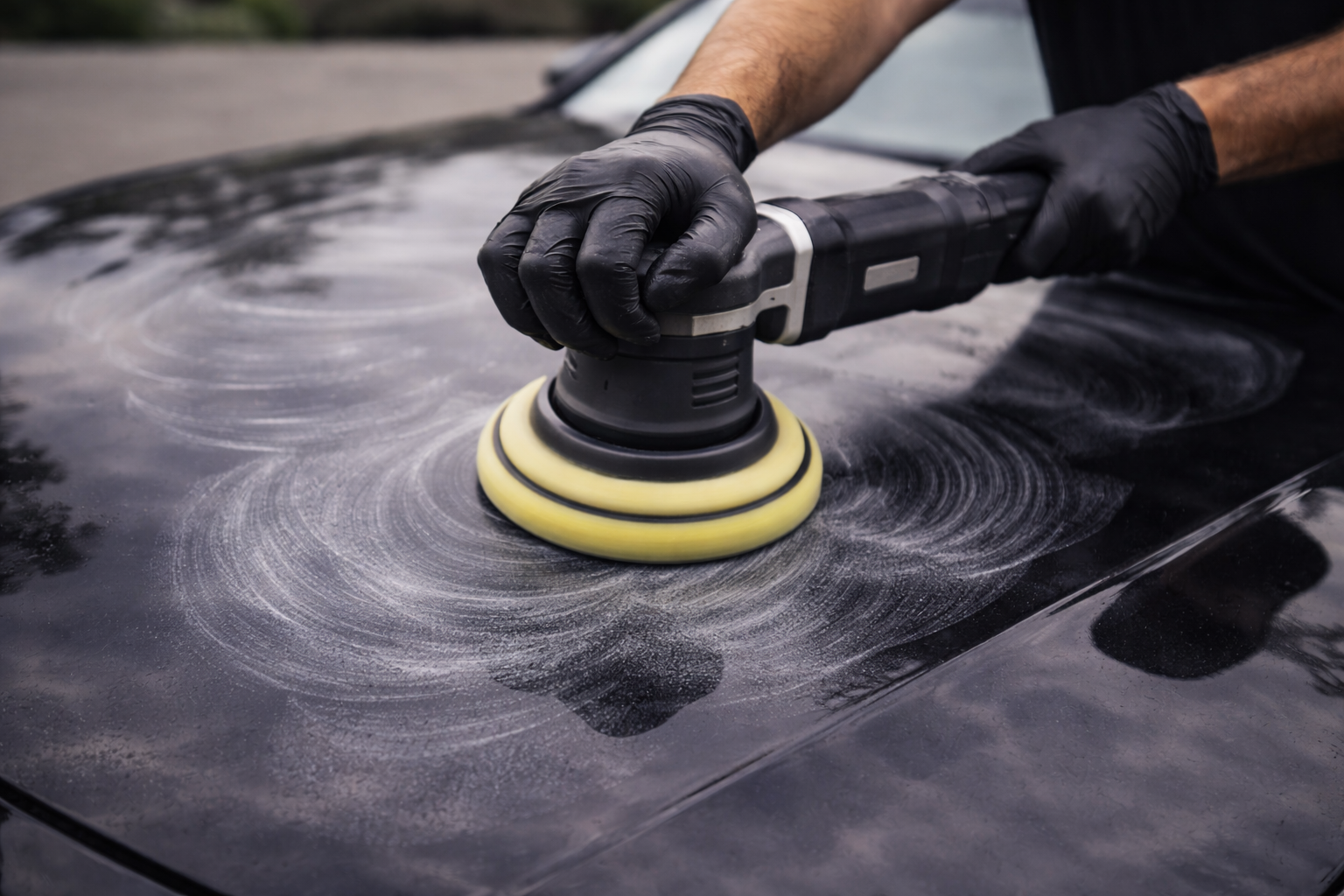
Yes, and it's worth understanding before you commit to a schedule.
Hand waxing gives you better control on curved panels and tight areas, but it's harder to apply consistently thin, even coats across large flat surfaces. Uneven application means uneven protection — some areas wear down faster than others, which shortens your effective protection window.
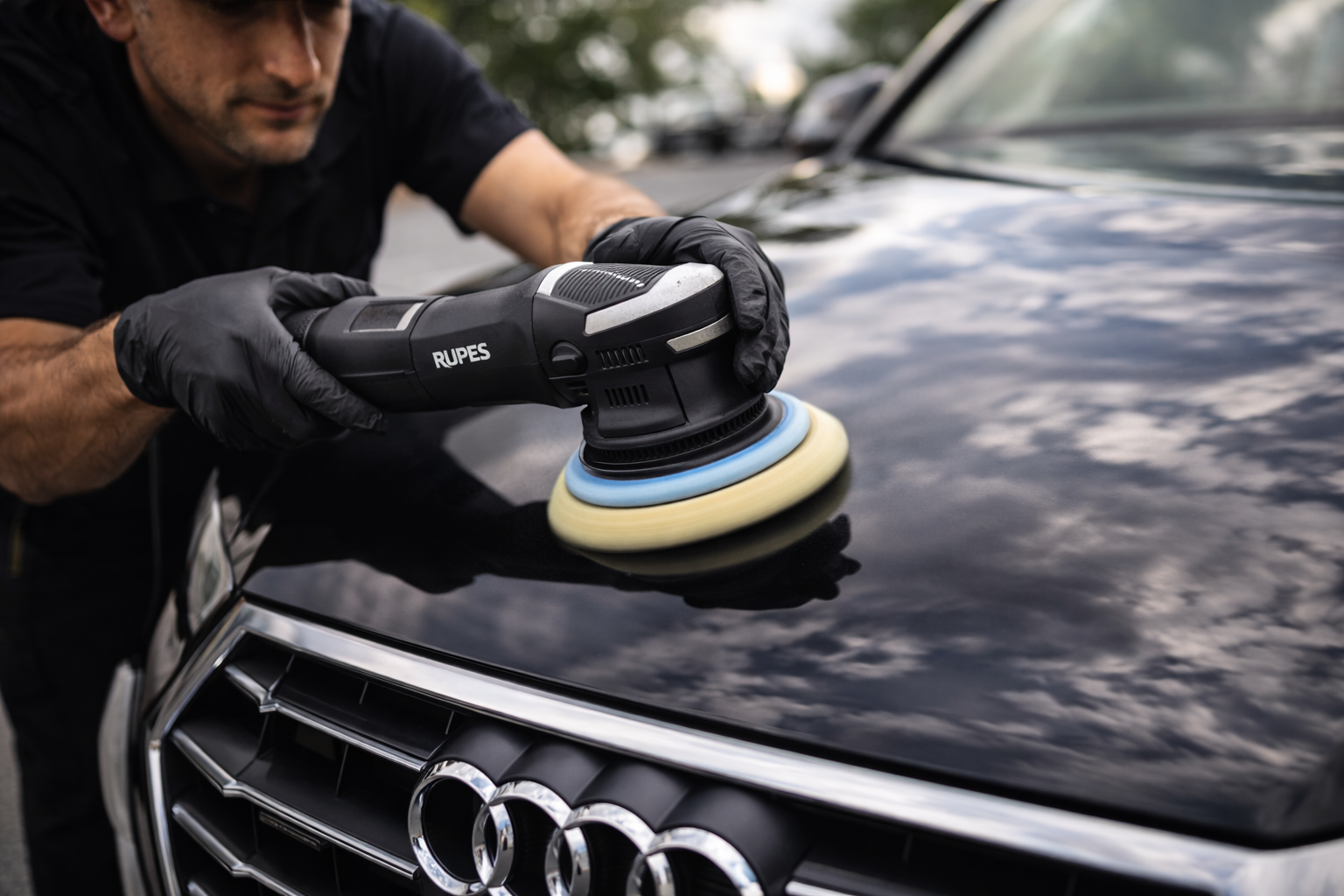
Machine polishing with a dual-action polisher produces more consistent coverage and works the product into the clear coat surface more thoroughly.
Professional machine-applied wax typically lasts 1-2 weeks longer than a hand application of the same product, and provides more uniform protection across the entire vehicle.
If you've ever wondered why a professional wax job seems to outlast your DIY version of the same product, the application method is usually why.
For touch-ups and quick maintenance between professional sessions, hand application is completely fine. For full wax applications where you want maximum durability, machine application wins.
Seasonal Waxing Schedule for Car Owners
One of the most practical ways to think about how often you should wax your car is to align it with the seasons. Natural checkpoints throughout the year make it easier to stay consistent without tracking exact dates.
Spring is when pollen and tree sap are at their worst locally. Jacarandas, pine trees, and flowering species drop sticky debris that adheres to paint and eats through thin wax. A fresh coat going into spring gives your paint a fighting chance against the biological assault that runs April through June.
Summer means peak UV exposure. If you wax once in May and skip it until September, the natural wax you applied in spring is likely gone by July. A mid-summer reapplication is worth building into your routine — summer is when how often you should wax your car has the biggest impact on long-term paint condition.
Fall is a good reset window. Waxing in October or November before the cooler, wetter months sets you up with a base coat that handles rain, morning dew, and the occasional cold spell without issue.
Winter here is mild enough that you don't need to wax as frequently as drivers in freezing climates. There's no road salt to worry about. But the marine layer gets heavier in winter, and salt air from Pacific storms still takes a toll on coastal vehicles. One winter wax is worth doing if you're on a synthetic schedule.
Should You Wax After Every Wash?
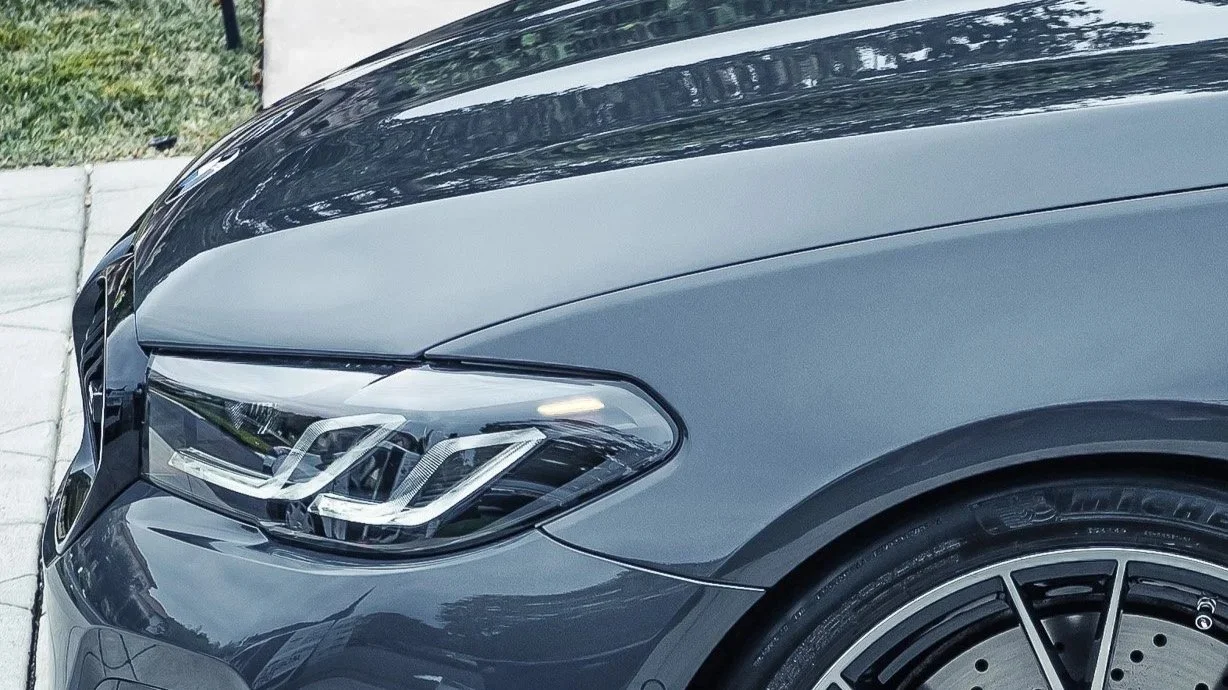
No — and waxing after every wash wastes product without adding meaningful protection. A properly applied wax coat is designed to survive multiple washes before it breaks down. In fact, washing frequently actually helps wax last longer by removing the contaminants — iron particles, bug splatter, sap, bird droppings — that chemically degrade the coating over time.
What makes sense after every wash is a spray detailer or quick detailer. These lightweight products refresh the hydrophobic properties of your existing wax and keep the surface slick between full applications. They're not a substitute for a real wax coat, but they extend its life and keep the finish looking sharp between sessions.
The right trigger for a full wax reapplication is the water bead test, not how many times you've washed the car. Run a hose over the paint — if water beads and sheets cleanly, you're covered. If it spreads flat, it's time to reapply. That's true whether you've washed the car twice or twenty times since the last application.
Frequently Asked Questions About Car Waxing
-
How often you should wax your car depends on which product you're using. Natural wax needs reapplying every 6-8 weeks. Synthetic polymer wax or a paint sealant lasts 4-6 months. Spray wax used as a maintenance coat lasts 2-4 weeks. The water bead test is the most reliable indicator — when water stops beading and sheeting off the surface, your wax needs refreshing regardless of where you are on the calendar.
-
No. Waxing too frequently won't damage your paint. The only downside is wasting product and time by applying over a coat that hasn't worn through yet. If water still beads cleanly off the surface, you don't need another application. There's no harm in waxing more often than your product requires — it's just unnecessary effort without added protection.
-
No. Wax is designed to survive regular washing. Washing frequently actually extends wax life by removing the contaminants that break it down faster. Use a spray detailer after washes to maintain the hydrophobic layer between full applications. Save the full wash and wax treatment for when water stops beading properly on the surface.
-
Cars parked outside need waxing every 6-8 weeks with a natural wax, or every 10-12 weeks with synthetic wax or a paint sealant. Outdoor parking means constant UV exposure, overnight moisture, bird droppings, and airborne debris — all of which degrade wax faster than a garaged vehicle. Do the water bead test at the 10-week mark regardless of which product you used.
-
Wax in the shade with the surface cool to the touch. Never apply wax in direct sunlight or on a warm hood — the product hazes too quickly and becomes difficult to buff out evenly. Early morning or late afternoon works best. Ideal surface temperature is 55-85°F. Make sure the paint is fully dry and avoid windy conditions that introduce dust and debris before the product sets.
-
Natural carnauba wax lasts 6-8 weeks. Synthetic polymer wax or paint sealant lasts 4-6 months. Spray wax lasts 2-4 weeks. Understanding how long car wax lasts on your vehicle also depends on parking conditions and wash frequency. Professional applications tend to outlast DIY because proper surface prep — clay bar decontamination, thorough cleaning — lets the product bond to a clean clear coat rather than sitting on top of embedded contaminants.
-
Yes. The dealership detail is typically a basic wash and interior wipe — not real paint protection. New clear coat is vulnerable to UV oxidation, water spotting, and environmental contamination from day one. Waxing or applying a paint sealant within the first 1-3 months protects that fresh clear coat before surface damage accumulates. Ceramic coating applied early is an even better option for long-term protection without the frequent reapplication cycle.
How Fresh Layer Handles Waxing in San Diego
Fresh Layer Mobile Detailing brings professional waxing to your home, office, or anywhere your car is parked across San Diego County. Every vehicle gets proper prep before we apply any wax — a full wash followed by clay bar decontamination to pull out embedded iron particles, road grime, and surface contaminants that would otherwise prevent the product from bonding correctly to your clear coat. Skipping that prep step is the main reason DIY wax jobs wear out faster than professional applications of the same product.
We use professional-grade natural and synthetic wax products based on your paint condition and how much maintenance you want to do between visits. If you're tired of the 6-8 week reapplication cycle, we can walk you through whether ceramic coating makes more sense — one application lasts years rather than weeks, and eliminates most of the waxing schedule entirely.
Our professional exterior detailing in San Diego includes a full wax application as part of the service. For a longer-term solution, ceramic coating San Diego is the conversation to have.
Ready to Protect Your Paint?
Not sure how often you should wax your car or which product fits your situation? Fresh Layer comes to you — home, office, or anywhere across the county. No drop-off, no waiting. Call (619) 874-4115 or book mobile car detailing online and we'll take care of everything at your location.


