


10 Essential Car Detailing Facts Everyone Should Know

There are a handful of car detailing facts every driver should know before spending money on a wash, a paint correction, or a ceramic coating. Car detailing is a systematic process covering decontamination, machine polishing, and long-term paint protection.
It's not the same as a car wash, and the difference matters for your paint's long-term condition. These ten car cleaning facts come from Fresh Layer's IDA-certified detailing team in San Diego, covering what actually works, what's a myth, and why local conditions here require more attention than most places.
Automotive detailing is a professional service and a significant industry focused on the maintenance, protection, and restoration of vehicles, playing a crucial role in preserving both appearance and value.
What Is Car Detailing?

Car detailing is a multi-stage cleaning and protection process that covers both the exterior and interior of a vehicle. Unlike a standard car wash, which removes loose surface dirt, car detailing addresses embedded contamination, surface defects, and long-term paint protection.
Exterior car detailing typically involves a decontamination wash, clay bar treatment to pull bonded contaminants from the paint, machine polishing to remove swirl marks and oxidation, and a protective layer: wax, paint sealant, or ceramic coating. Interior detailing covers deep vacuuming, steam cleaning of carpets and upholstery, leather conditioning, and treatment of all plastic and vinyl surfaces.
What car detailing does NOT do: it won't fix deep scratches that penetrate through the clear coat into the base coat, and it won't restore structurally damaged paint. A thorough paint inspection before any correction work is one of the most useful car cleaning facts most drivers never hear before they book.
San Diego Car Detailing: Why Local Conditions Change Everything

San Diego presents a specific combination of environmental conditions that accelerates paint damage faster than most U.S. cities. The UV index regularly hits 10 or above during summer months. That kind of sustained exposure oxidizes clear coat and fades paint noticeably faster than in cloudy or northern climates.
Add salt air from the Pacific. Vehicles parked within a few miles of the coast in La Jolla, Coronado, Pacific Beach, or Ocean Beach pick up salt-laden moisture from the marine layer overnight. That marine layer deposits a fine film of contaminants on paint surfaces that a standard wash won't fully remove.
The municipal water supply across the county runs hard. Total dissolved solids (TDS) often exceed 300 ppm, which means hard water deposits form on paint after washing. Those minerals etch into the clear coat over time if not treated with a clay bar or panel wipe. Inland neighborhoods like Santee and El Cajon deal with this more than coastal areas, but it affects vehicles throughout the region.
Torrey pine sap and eucalyptus residue are also real factors near those trees. Both are acidic and will etch paint if left untreated for more than a few days in warm weather.
10 Car Cleaning Facts Worth Knowing
Fact 1: Automated Car Washes Leave Swirl Marks
The brushes and cloth strips in tunnel car washes trap grit from previous vehicles and drag it across your paint. The result is a web of fine swirl marks visible in direct sunlight on dark-colored vehicles. Hand washing with a two-bucket method, one bucket for soapy water and one for rinsing your wash mitt, is significantly safer for your clear coat.

Fact 2: Dish Soap Strips Your Protective Coating
One of the most persistent car detailing myths and one of the most damaging. Dish soap is designed to cut through grease, which means it also strips automotive wax, paint sealants, and polymer-based coatings. A pH-neutral automotive shampoo is the right product. If you're washing a ceramic-coated vehicle, use a shampoo formulated specifically for coated surfaces.
Fact 3: More Wax Doesn't Mean More Protection
Applying a second or third coat of wax over an uncured first coat doesn't add protection. It creates streaking, uneven curing, and a surface that's harder to buff clean. One thin, even coat applied to properly prepped paint outperforms three sloppy coats every time.
Fact 4: Ceramic Coatings Last Years, Not Weeks
A properly applied professional ceramic coating bonds chemically to the clear coat and typically lasts 2-5 years depending on the product and maintenance schedule. This is fundamentally different from spray detailers or consumer "ceramic" spray products, which sit on top of the paint and last weeks at best. Professional-grade ceramic coatings require serious surface prep before application: paint correction, decontamination wash, and an IPA panel wipe. Skipping prep shortens the coating's lifespan significantly.
Fact 5: UV Accelerates Clear Coat Oxidation Faster Than You Think
UV oxidation is a chemical process that breaks down the clear coat's polymer structure over time. In San Diego's climate, with high sustained UV index and minimal cloud cover most of the year, oxidation progresses 15-20% faster than in cloudy regions. This is why paint protection film (PPF) or ceramic coating is worth the investment here when it might be overkill in Seattle.
Fact 6: Interior Detailing Affects Cabin Air Quality
Dust, pet dander, food particles, and mold spores accumulate in carpets and HVAC systems. Professional interior detailing, including steam cleaning of carpets and upholstery, removes allergens and bacteria that a vacuum alone can't reach. For drivers who spend significant time commuting or have kids or pets in the vehicle, this matters beyond aesthetics.
Fact 7: Clay Bar Treatment Is Required Before Ceramic Coating
Paint that looks smooth to the touch can still be loaded with bonded contamination: brake dust, industrial fallout, tree sap residue, and embedded road grime. A clay bar physically removes these particles from the clear coat surface. Skipping clay and going straight to ceramic coating locks those contaminants under the coating, causes bonding issues, and leads to premature failure. This step isn't optional.
Fact 8: Water Spots From Improper Drying Are Harder to Remove Than Dirt
Hard water deposits from air-drying or sun-drying become etched into the clear coat if left for days in warm weather. At that point, they often require a dual-action polisher and light cutting compound to remove, and washing alone won't clear them. Drying immediately after washing with a quality microfiber towel or a leaf blower eliminates this problem entirely.
Fact 9: Engine Bay Cleaning Extends Service Life
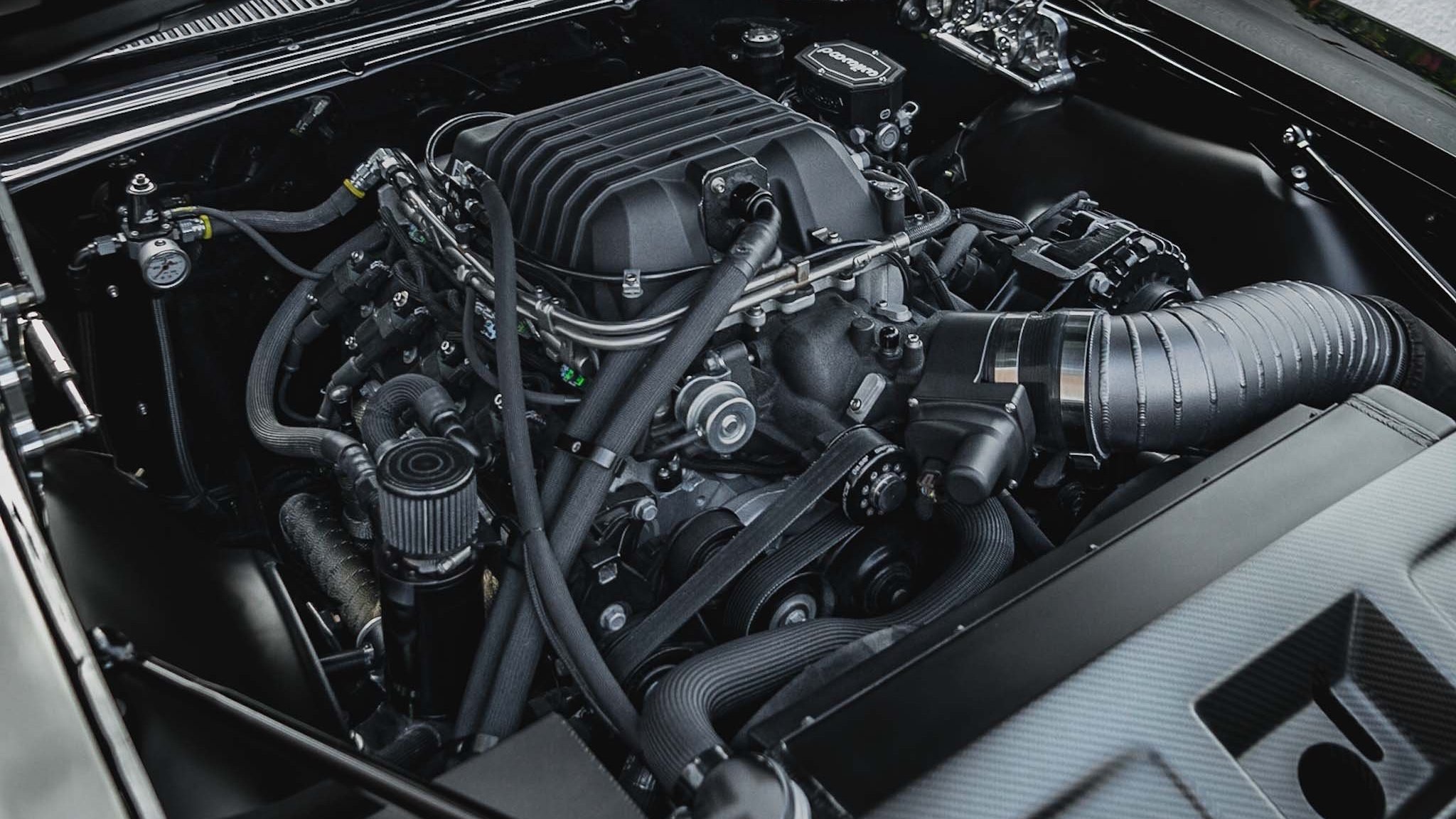
Accumulated grease and grime in the engine bay acts as insulation, trapping heat around components that need airflow. It also makes spotting leaks during routine maintenance harder. A proper engine bay detail uses low-pressure water and degreaser followed by dressing on plastic and rubber components, improving heat dissipation and keeping the engine compartment easy to inspect.
Engine bay cleaning is an often-overlooked aspect of car detailing but is essential for maintaining the vehicle’s performance. Removing grease and dirt from the engine bay helps prevent overheating and corrosion.
Fact 10: Professional Car Detailing Costs Less Per Year Than Repainting
A full professional car detailing service runs $349. A single panel respray at a body shop runs $300-600. A full vehicle respray runs $3,000-8,000 or more. Regular car detailing and paint protection is significantly cheaper than letting paint degrade to the point where repainting becomes the only option.
Car Detailing Myths: 4 Things Most Drivers Get Wrong

A shiny car is a clean car.
Contaminants like brake dust, iron fallout, and mineral deposits bond to paint at a molecular level and aren't visible to the eye. A car can look perfectly clean under artificial light and still carry embedded contamination that's actively degrading the clear coat. Running a clay bar across the paint tells the truth. If it drags or collects brown residue, the paint is contaminated regardless of appearance.
You only need to wax once a year.
In most climates, that's marginal. In San Diego, where UV intensity is high year-round and salt air affects coastal vehicles constantly, wax protection degrades in 2-4 months. If you're relying on wax here, apply it every 3-4 months, or switch to a ceramic coating or longer-lasting paint sealant.
Any car is fine through an automatic car wash.
Vehicles with paint correction work or ceramic coating should never go through a brush-type automatic wash. The abrasion damages polished paint and can scratch or degrade coatings. Touchless washes are safer but still use strong detergents that can strip sealants. Hand washing is the right call for any car you've invested in.
Interior protectants just add shine.
A quality interior protectant's main job is UV resistance and preventing cracking of dashboard plastics and trim. Matte or satin-finish products protect better than high-gloss silicone-based ones. The glossy look is often a sign of a product that coats surfaces temporarily but doesn't block UV long-term.
How Fresh Layer Mobile Detailing Works

Fresh Layer is an IDA and Gtechniq certified mobile car detailing service operating throughout San Diego County. IDA certification means our process follows the International Detailing Association's standards for paint care, contamination removal, and coating application. We cover coastal areas like La Jolla, Coronado, and Encinitas, and inland neighborhoods including Chula Vista, Carlsbad, Eastlake, and North Park.
Every job starts with a paint inspection. We check clear coat condition, contamination levels, and confirm what correction or protection makes sense before any work begins.
Our full detail service is $349 and covers a full exterior decontamination wash, clay bar treatment, exterior protection, and complete interior deep clean. Ceramic coating packages start at $599 and go to $1,499 for multi-year Gtechniq professional coatings. Paint correction is quoted after inspection.
Because we're fully mobile, there's no drop-off and no waiting room. We come to you: home, office, or wherever the vehicle is parked. Most jobs are completed in a single visit.
Browse our full-service details, our ceramic coating packages, or our interior car detailing options.
Frequently Asked Questions

What are the most important car detailing facts every driver should know?
The most important car detailing facts: hand washing is safer than tunnel washes, dish soap strips protective coatings, ceramic coatings last 2-5 years with proper prep, and UV plus hard water deposits accelerate paint damage in warm climates. Regular car detailing every 3-4 months protects the clear coat and supports resale value. The most costly mistake is letting paint oxidize to the point where correction or repainting is the only fix.
How often should you detail your car in San Diego?
Most vehicles benefit from a full detail every 3-4 months. Coastal vehicles parked outdoors in areas with regular marine layer exposure may need more frequent attention. Garaged vehicles in inland neighborhoods can sometimes extend to 4-6 months between full services. Vehicles with ceramic coating have longer maintenance intervals but still benefit from periodic coating-specific maintenance washes.
What's the difference between car washing and car detailing?
A car wash removes surface dirt. Car detailing goes further: decontamination with a clay bar, machine polishing for swirl marks and light scratches, and paint protection via wax, sealant, or ceramic coating. Interior detailing adds deep vacuuming, steam cleaning, leather conditioning, and plastic and vinyl treatment. A full detail typically takes 2-8 hours depending on service level and the car's current condition.
Does car detailing remove scratches?
Paint correction removes swirl marks, light scratches, and oxidation from the clear coat using a dual-action polisher and professional compounds. Scratches that go through the clear coat into the base coat or primer can't be polished out. Those need touch-up paint or body shop work. A good detailer inspects paint depth before recommending correction and will tell you honestly what's fixable before starting.
How long does a professional car detail take?
A standard exterior and interior detail takes 2-4 hours. A full detail with paint correction takes 4-8 hours depending on vehicle size and paint condition. Ceramic coating adds prep and cure time. Fresh Layer's mobile service comes to your location. The car's ready at the end of the same-day appointment.
Is ceramic coating worth it for San Diego vehicles?
Yes, more than in most U.S. cities. San Diego's UV intensity, coastal salt air, and hard water deposits make paint protection a practical necessity here. A professional ceramic coating blocks UV oxidation, repels water and contamination, and lasts 2-5 years versus 2-4 months for traditional wax under local conditions. For vehicles parked outdoors regularly, the long-term cost is minimal compared to the protection it provides.
What's the biggest car detailing myth?
The most damaging car detailing myth is that dish soap works fine for washing a car. It doesn't. It strips automotive wax, sealants, and ceramic coatings from the paint. Always use a pH-neutral automotive shampoo. Close second: a shiny car is a clean car. Bonded contamination like brake dust, iron fallout, and mineral deposits are invisible to the eye but actively degrading your clear coat even when the paint looks great.

These car detailing facts, car cleaning facts, and car detailing myths breakdowns should give you a clearer picture of what's worth your money and what isn't. Fresh Layer Mobile Detailing serves all of San Diego County, from Coronado and La Jolla to Carlsbad and Chula Vista. Call (619) 874-4115
About the Author
Alex Bratkov is the founder of Fresh Layer Mobile Detailing in San Diego. With IDA and Gtechniq certifications and five years detailing vehicles across San Diego County, he writes from direct experience — not theory.


