


Best Leather Conditioners for Cars: A Comprehensive Review
Introduction: The Importance of Leather Care in Your Vehicle
Leather interiors add a touch of luxury and sophistication to any vehicle. However, regular interior detailing care is essential to maintain that plush look and feel.
Quick Picks: Best Leather Conditioners for Cars (2025)
Best Overall: Koch Chemie Leather Star | Factory matte finish, superior UV protection | BMW, Mercedes, Audi, modern daily drivers
Best for Coated Leather: CarPro Skincare Kit | Two-step clean + condition, pH-balanced | New cars 2020+, family vehicles
Best for Older/Dry Leather: 3D LVP Conditioner | Mink oil hydration, prevents cracking | Vehicles 5+ years, dried bolsters
Best for Perforated Seats: Meguiar's Gold Class Spray | Won't clog holes, low viscosity | Heated/cooled seats, luxury sport seats
Best for Vegan Leather: Gyeon Q2 LeatherShield | Non-oily, safe for polyurethane | Tesla Model 3/Y, Rivian, BMW Sensatec
Why Most "Leather Conditioner" Advice is Wrong in 2025
San Diego's sun doesn't play nice—it's like a relentless grill master, charring unprotected leather faster than a beach BBQ mishap. In 7 years running Fresh Layer, I've watched six-figure interiors crack from advice written by people who think all leather is the same (wrong in 2025).
The critical miss: About 85% of modern car leather is finished or coated—meaning it has a protective polyurethane topcoat. You're not feeding the hide; you're maintaining the plastic barrier that protects it.
Finished vs. Unfinished Leather

Finished Leather (Most Modern Cars): Plastic-like topcoat, feels smooth/consistent, water beads up. Examples: BMW, Mercedes, Toyota, Tesla vegan.
Unfinished Leather (Rare): Soft/velvety, absorbs moisture fast, shows natural grain. Rare in modern cars (some Porsche, Bentley).
Why this matters: Heavy oils (neatsfoot, mink) sit on finished leather's coating like grease on a windshield—can't penetrate the polyurethane barrier. Result? Greasy mess everyone hates.
The "Greasy Shine" Problem
If seats feel slippery or look shiny after conditioning, you've got buildup, not protection.
After 1,200+ SD interiors: customers using boot conditioner on car seats. Result? That glossy nightmare that attracts lint like a PB beach towel collects sand.
Proper conditioning: Soft and supple but NOT slick. Factory matte/satin stays. No hand residue. That's the pro standard.
How We Test at Fresh Layer (Real Shop, Real Cars)
Every product tested on actual customer vehicles in San Diego's coastal torture chamber. No stock photos, no manufacturer scripts.
Our 4-Point Test
1. Finish Preservation: Maintains factory matte or creates fake shine?
2. Feel & Suppleness: Softer without becoming slippery?
3. Residue & Absorption: Under 5-minute absorption, no clothing transfer
4. UV/Heat Performance: Prevents cracking in 140°F interiors (SD UV Index 9-10)
Tested on: 2022 BMW X5 (matte), 2019 Mercedes E-Class (cracked bolster), 2021 Tesla Model Y (vegan), 2018 Audi Q7 (perforated)
ALEX'S SHOP NOTE: "If it leaves seats shiny or slippery after 10 minutes, it's buildup, not conditioning. Real protection absorbs clean and maintains factory finish—that's how you know it's working with the coating, not fighting it."
Factors to Consider When Choosing a Leather Conditioner
Not all leather conditioners are created equal. Here are vital factors to consider when selecting the best leather conditioner for your car:
Type of Leather: Different leathers require different care. Could you make sure the conditioner is suitable for your specific leather type?
Frequency of Use: Some conditioners are designed for frequent application, while others are for occasional deep conditioning.
Climate Considerations: If you live in a hot, sunny climate, look for conditioners with UV protection.
Ease of Application: Consider how easy the product is to apply and whether it requires special tools.
Scent: Some conditioners have a strong scent, which may be a factor if you're sensitive to smells.
Best Leather Conditioners for Cars: In-Depth Reviews
CARPRO Skincare Leather Kit

Best for: New cars 2018+, family haulers, anyone wanting complete system
Application: Two-step (Cleanse pH 6.5, then Lotion), absorbs 4-6 min, safe on vegan/synthetic
✅ Wins: Complete prep system (dirty leather won't absorb conditioner), anti-static formula actively repels SD desert dust, safe for all modern surfaces (leather/vinyl/plastic), restores natural smell (removes old product stink)
❌ Skips: Two steps take longer (15-20 min vs 10), kit pricing higher upfront ($45-55), Cleanse bottle empties faster
Field Note: "2021 Honda Accord tan leather showing UV fade. Cleanse water turned brown (embedded dirt invisible to eye). Lotion restored factory satin. Driver said seats stayed cleaner 2x longer—anti-static actually works in our dusty climate."
| Pros | Cons |
|---|---|
| Complete care solution | Higher price point |
| Gentle yet effective | Two-step process may be time-consuming |
| Restores leather's natural scent | May require more frequent application |
Best Use Cases
Ideal for car owners looking for a complete leather care system and those with high-end leather interiors.

Koch Chemie Leather Star (Best Overall)
Best for: German luxury, modern daily drivers, factory matte finish perfectionists
Application: Spray onto pad, work circular, buff lightly, absorbs 3-5 min even in SD heat
✅ Wins: Superior UV blockers (German engineering for harsh climates), maintains BMW/Mercedes factory matte better than anything tested, one product cleans + conditions, neutral scent (no chemical funk)
❌ Skips: Premium pricing ($25-30/11 oz), requires more buffing than sprays, online-only availability
Field Note: "2020 BMW X5, 40K miles SD sun damage. Two applications matched driver's bolster to factory matte finish of rear seats. Zero dashboard glare—critical when you're dodging I-5 traffic in afternoon sun."
| Advantages | Disadvantages |
|---|---|
| Efficient all-in-one formula | May be too strong for very delicate leather |
| Professional-grade quality | Slightly higher learning curve for application |
| Long-lasting protection | Premium pricing |
Ideal Applications
Perfect for car enthusiasts who want a professional-grade product and don't mind spending extra for quality.
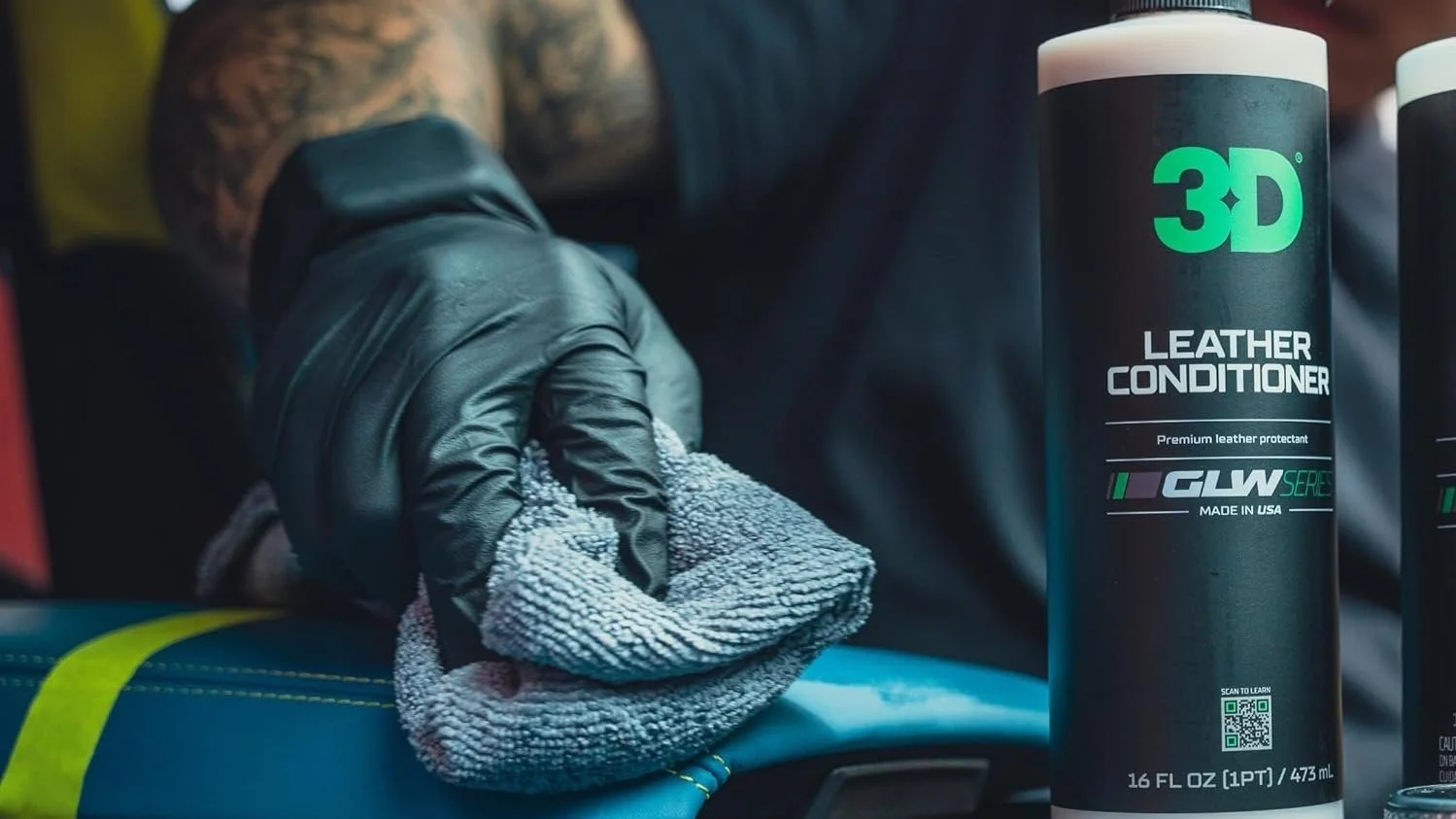
Best for: Older vehicles 5+ years, dried leather screaming for moisture, cracking prevention
Application: Apply generous first time, sit 5-10 min for deep absorption, buff excess, lanolin + mink oil formula
✅ Wins: Deep hydration for leather gone too long without love, pleasant leather scent (not chemical warfare), prevents further cracking on damaged bolsters, versatile (works on vinyl/plastic trim), affordable ($12-18/16 oz)
❌ Skips: Can leave sheen if heavy-handed (buffing mandatory), too rich for brand new sealed leather, minimal UV vs premium options, needs reapplication every 6-8 weeks SD sun
Field Note: "2015 Subaru Outback with notorious driver's bolster cracking. Three monthly applications stopped progression dead. Leather went from stiff cardboard to supple. Customer kept car 2 more years instead of trading."
| Strengths | Weaknesses |
|---|---|
| Easy to apply | May require more frequent application |
| Affordable | Not as long-lasting as some premium options |
| Versatile use on various leather items | Limited UV protection |
Recommended Usage
Great for regular maintenance and ideal for those new to leather care due to its user-friendly application.
Gyeon Leather Coat (Best for Vegan Leather)
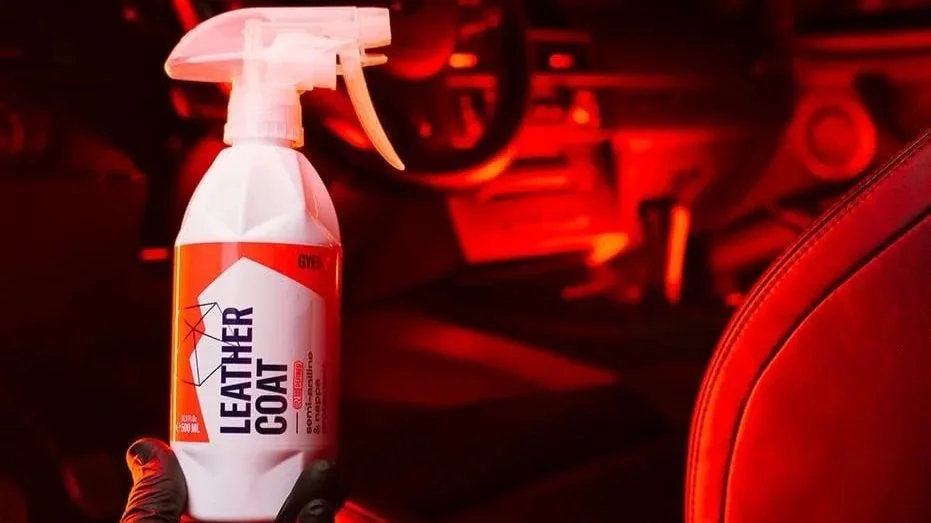
Best for: Tesla Model 3/Y, Rivian, BMW Sensatec, Mercedes Artico—synthetic seats only
Application: Confirm synthetic first (Tesla/Rivian vegan leather), thin layer, buff invisible, hydrophobic barrier, reapply every 3 months
✅ Wins: Designed for polyurethane "leather" (plastic-based, not hide), won't create greasy buildup like traditional oils, superior UV protection for plastic surfaces, hydrophobic coating repels spills/sunscreen/sweat, lasts 3-4 months SD conditions
❌ Skips: Premium pricing ($30-40/4 oz), overkill for real leather (use proper conditioner), requires technique (easy to streak if rushed)
Field Note: "2022 Tesla Model Y white vegan seats (customer nightmare—shows everything). Traditional conditioners made slippery + attracted lint. Q2 created invisible barrier. Spilled coffee beaded instead of soaking. Seats stayed cleaner 3x longer. THE Tesla fix."
Comparison of the Top Leather Conditioners
To help you make an informed decision, here's a comparison chart of our top leather conditioners:
| Feature | CARPRO Skincare Leather Kit | Koch Chemie Leather Star | 3D Leather Conditioner |
|---|---|---|---|
| Effectiveness | ★★★★★★★★★☆ | ★★★★☆ | ★★★★☆ |
| Value for Money | ★★★☆☆ | ★★★★☆ | ★★★★★ |
| Ease of Use | ★★★☆☆ | ★★★★☆ | ★★★★★ |
| Longevity of Results | ★★★★★★★★★★ | ★★★★★ | ★★☆☆☆ |
| UV Protection | ★★★★☆ | ★★★★★★ | ★★★☆☆ |
How to Condition Car Leather Seats Correctly
Prep Like a Chef's Mise en Place
Vacuum crumbs before they become leather's worst enemy—those sesame seeds from your In-N-Out run act like sandpaper during cleaning. Crevice tool hits seams/perforations, dry microfiber removes surface dust, spot-check sticky disasters (soda, sunscreen).
Clean First, Then Condition
Cardinal sin: Conditioning dirty leather seals contamination into pores like shellac.
Pro sequence: pH-neutral cleaner → soft brush agitate → wipe clean → dry completely 15-30 min → THEN condition clean surface.
Apply Thin, Buff (Less is Always More)
Technique: Product onto pad first, work into pad until disappearing, 2x2 ft sections, gentle circles, sit 2-5 min, buff clean microfiber until no residue. Should feel soft NOT slippery.
How much: If you see wet product after 5 minutes, you over-applied. Go lighter next time.
How Often in Real Life
Garaged inland (Poway, El Cajon): Every 4-6 months
Street parked coastal (PB, La Jolla, Del Mar): Every 2-3 months (salt air + UV + heat = triple threat)
Daily driver high use: Clean monthly, condition every 2-3 months
Weekend car: Every 6 months minimum (even garaged leather dries)
Best Practices
Keep the leather neat; a little goes a long way.
Pay extra attention to high-wear areas like seat bolsters.
Condition your leather every 3-4 months or more frequently in harsh climates.
Common Mistakes to Avoid
Using too much product which can leave a greasy residue
Applying conditioner to dirty leather
Neglecting to test the product first
Using household products not designed for automotive leather
Maintaining Leather Car Interiors

Regular maintenance is vital to keeping your leather interior looking its best. Here are some tips:
Regular Cleaning: Wipe down leather surfaces weekly with a damp microfiber cloth.
Prompt Stain Removal: Address spills and stains immediately to prevent permanent damage.
Avoid Direct Sunlight: Use sunshades or park in the shade to protect leather from UV damage.
Vacuum Regularly: Keep leather surfaces free from abrasive dirt and debris.
Use Proper Products: Stick to products specifically designed for automotive leather care.
Special Cases People Actually Search For
Perforated Seats: Don't Clog the Holes
The fear: "Will conditioner ruin my seat ventilation?"
The truth: It can—if you pour directly or use thick creams.
The solution: Spray formula (Meguiar's), apply to pad (3-4 sprays), massage into pad until barely damp, apply thin layer, buff immediately before settling. Check holes visually—zero residue = success.
Avoid: Thick creams, oil-based, anything requiring heavy application.
Cracked Seats: What Conditioner Can/Can't Fix
Cracks in SD? They're like fault lines from our dry heat quake—conditioner stabilizes the ground, but deep rifts need professional fill, not just a band-aid slather.
Conditioner CAN: Prevent new cracks, stop hairline spreading, soften around damage, maintain suppleness
Conditioner CAN'T: Fill deep cracks (needs repair compound), restore color, reverse years of neglect, heal structural tears
If already cracked: Heavy-duty monthly 3 months (3D LVP, Leather Honey), evaluate if spreading stops. Cracks wider than credit card = pro repair time ($200-500 vs $2,000+ reupholstery).
FAQs About Car Leather Conditioners
To further assist you in choosing and using the best leather conditioner for your car, here are some frequently asked questions:
-
Generally, every 3-4 months, but more frequently in harsh climates or with heavy use.
-
It's not recommended. Automotive leather often requires specific formulations different from household leather items.
-
Quality leather conditioners shouldn't significantly alter the color, but always test in an inconspicuous area first.
-
For best results, yes. Clean leather absorbs conditioner more effectively.
-
While it can help prevent future cracking, conditioner can't repair existing cracks. For repairs, consult a professional.
What Do Car Detailers Use on Leather?
Professional car detailers use specialized products to clean and condition leather surfaces effectively. Typically, they start with a pH-balanced leather cleaner to lift dirt without harming the natural oils in the leather.
Once clean, a leather conditioner is applied to restore moisture and protect the leather from cracking and fading. Some detailers also use boar hair brushes or soft detailing brushes to gently work the cleaner into the grain of the leather, ensuring a deep clean without scratches. This combination helps maintain the softness, appearance, and durability of the leather.
Want It Done Right? We Can Handle It
Products help, but technique matters more. Professional service saves time, prevents $500 mistakes, uses commercial-grade formulas unavailable retail.
Fresh Layer interior leather service: pH-balanced deep clean, conditioning matched to leather type (coated vs uncoated), correct tools (no scratchy damage), factory finish preservation, UV protection for SD's brutal climate.
Trust: 4.9-star Google (200+ verified), mobile (we come to you—PB, La Jolla, anywhere SD County), 1,200+ interiors since 2018, real before/afters.
Typical service: $120-180 based on vehicle size/condition. 60-90 minutes. Professional results without buying 5 products you'll use once.
Expert Tips for Long-lasting Leather Care
To keep your car's leather interior in top condition for years to come, consider these expert tips:
Consistent Care: Regular, gentle care is better than infrequent, aggressive treatments.
Climate Considerations: In hot climates, conditions are more frequent, and products with UV protection are used.
Avoid Silicone-Based Products: These can make leather slippery and attract dust.
Less is More: When it comes to product application, a little often goes a long way.
Professional Deep Clean: Consider a professional deep clean once a year for optimal care.
Conclusion: Choosing the Best Leather Conditioner for Your Car
Selecting the best leather conditioner for your car is crucial for maintaining the beauty and longevity of your vehicle's interior. Whether you opt for the comprehensive care of the CARPRO Skincare Leather Kit, the professional-grade quality of Koch Chemie Leather Star, or the user-friendly 3D Leather Conditioner, regular conditioning will keep your leather seats looking and feeling luxurious.
Remember, the key to effective leather care lies in choosing the right product, consistent application, and proper technique. By following the guidelines and tips in this guide, you can ensure that your car's leather interior remains a source of pride and comfort for years.
Investing time and effort in leather care enhances your driving experience and helps maintain your vehicle's value. So, choose your leather conditioner wisely, treat your car's interior carefully, and enjoy the lasting benefits of well-maintained leather seats.


