


The Ultimate Guide to Paint Protection
Your Quick Answer: Which Protection Do You Need?
The simple truth: PPF protects against rock chips and physical impacts. Ceramic coating protects against UV rays, salt air, and chemical damage. Wax gives short-term shine but breaks down fast in San Diego sun.
San Diego costs (2025):
Wax/Sealant: $80-$250 per application (lasts 4-8 weeks)
Ceramic Coating: $699-$1,499+ (lasts 2-5 years with maintenance)
PPF Full Front: $1,200-$2,500+ (lasts 5-10 years)
PPF Full Body: $5,000-$8,500+ (lasts 7-10 years)
Best 2025 recommendation for San Diego drivers: PPF on your front end (hood, bumper, mirrors) + ceramic coating on everything else. You get rock chip protection where you need it and chemical/UV protection everywhere. Cost: $2,200-$3,800 depending on vehicle size.
This guide shows you exactly what each protection does, what it costs in San Diego, and which option makes sense for your driving situation.
Why San Diego Paint Fails Faster (Marine Layer + UV Cycle)

San Diego isn't Phoenix (extreme dry heat) or Florida (constant humidity). We have something worse: a daily cycle that attacks paint from multiple angles.
The "Marine Layer Bake" Problem (Coastal Areas)
If you live or park in La Jolla, Del Mar, Pacific Beach, or Coronado, your car goes through this every night:
Overnight (10 PM - 8 AM): Marine layer settles. That gray fog carries salt particles from ocean waves. Moisture condenses on your paint, creating tiny water droplets mixed with salt.
Morning (8 AM - 11 AM): Sun burns off the fog. The water evaporates, but the salt stays. It bonds with your clear coat at a molecular level.
Afternoon (11 AM - 5 PM): Full sun exposure. UV rays break down clear coat while salt particles create microscopic pitting.
Repeat daily. After 18-24 months, unprotected coastal vehicles show visible oxidation, water spot etching, and salt residue in every panel seam.
We recently inspected a 2021 BMW parked on the street in Pacific Beach. The owner washes weekly but has no protection. After three years, the clear coat shows visible damage—white salt deposits in door jambs, etching on horizontal surfaces, and dull spots where the clear coat has oxidized.
Inland Heat, Hard Water & Fire Season Fallout
East County residents (El Cajon, Santee, Poway, Escondido) face different threats:
Extreme UV exposure: Temperatures hit 95-100°F regularly from June through October. That's 10-15 degrees hotter than coastal areas. UV index peaks at 9-10. Black and red paint fades noticeably within 2 years on unprotected vehicles.
Hard water etching: San Diego water contains 250-300 PPM of dissolved minerals. When sprinkler overspray hits your car or morning dew evaporates, calcium deposits bond with clear coat. These don't wash off—they require professional removal.
Fire season fallout: Seasonal wildfires create fine ash that settles on vehicles. During washing, this acts like sandpaper if not rinsed properly first.
What we see weekly: Cars parked outside in La Mesa with paint that looks 5+ years old after only 2-3 years. The combination of heat and hard water creates faster degradation than almost any other California market.
Paint Protection Options Explained (Simple Definitions, No Fluff)
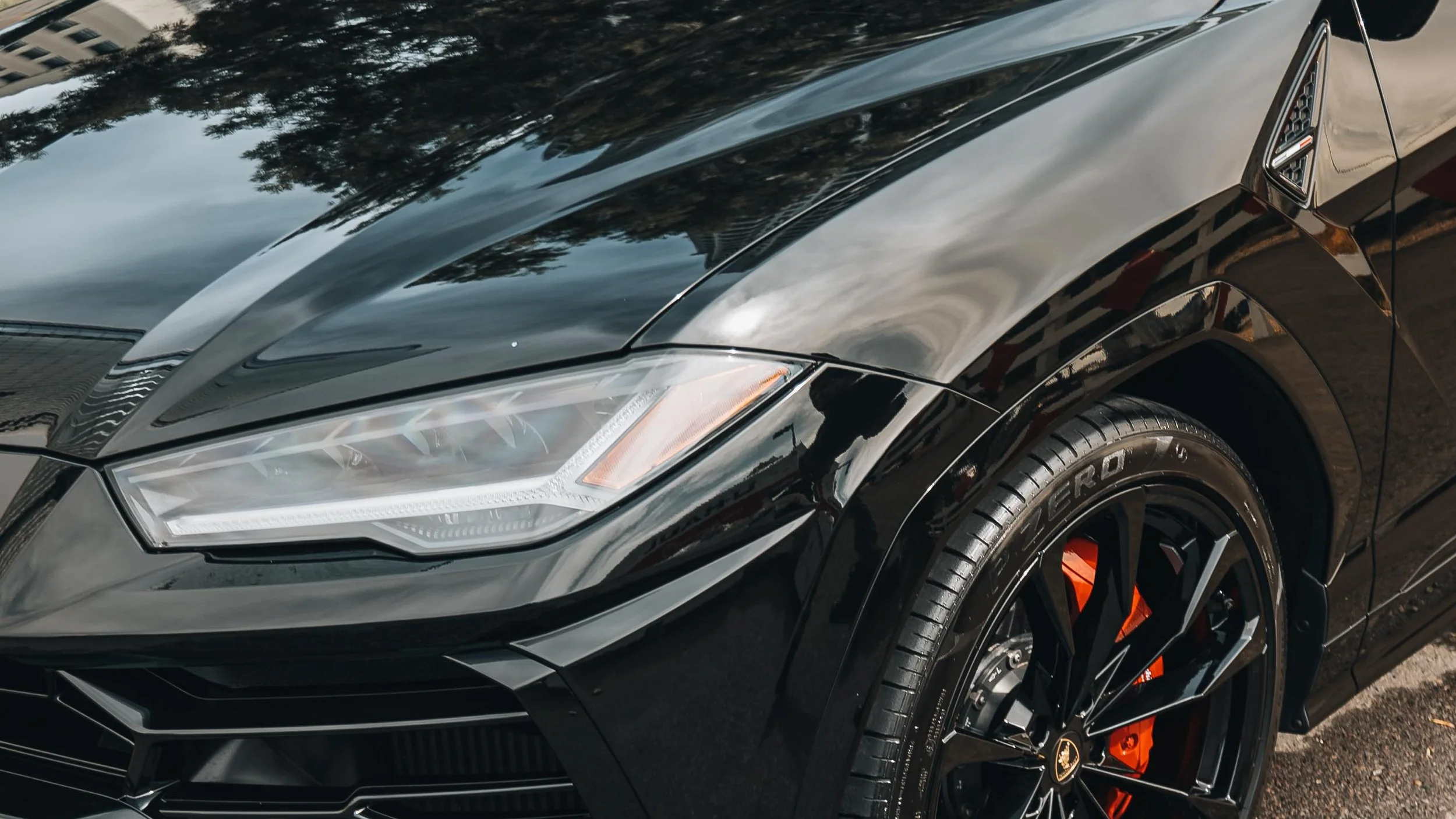
Let's cut through the marketing language and explain what each option actually does.
Wax/Sealant
What it is: A sacrificial layer—either natural carnauba wax or synthetic polymers—that sits on top of your clear coat.
Best for: Short-term shine and basic protection. Weekend cars. Show vehicles that live in garages.
How long it lasts: 4-8 weeks in San Diego conditions. Coastal areas see faster breakdown (salt air), inland areas see faster breakdown (heat). Wax literally melts off paint in summer temperatures.
Honest limitation: Breaks down too fast for daily drivers. Offers minimal UV protection. Zero protection against rock chips. Requires reapplication every 1-2 months to maintain any benefit.
Cost: $80-$250 professional application, or $20-50 DIY per application
Ceramic Coating
What it is: Liquid polymer (silicon dioxide or silicon carbide) that chemically bonds with your factory clear coat, creating a semi-permanent protective layer.
Best for: Daily drivers. Coastal residents fighting salt air. Anyone parking outside regularly. Maximum UV protection and chemical resistance.
How long it lasts: 2-5 years depending on product grade and maintenance
Real benefits:
Blocks 90-95% of UV radiation (prevents fading)
Hydrophobic surface (water beads off, easier washing)
Resists chemical etching from bird droppings and bug splatter
Prevents salt air from bonding to clear coat
Honest limitation: Not rock-chip proof. It's a chemical barrier, not physical armor. A 70mph pebble will still chip your paint right through ceramic coating.
Cost: $699-$1,499+ depending on vehicle size and coating grade
PPF (Paint Protection Film)
What it is: Clear thermoplastic urethane film—basically a thick clear plastic—applied to painted surfaces. Think screen protector for your phone, but for your car.
Best for: Freeway commuters. Luxury and exotic vehicles. Anyone who wants to preserve factory paint perfectly.
How long it lasts: 5-10 years before needing replacement
Real benefits:
Absorbs rock chip impacts (the film takes the damage, not your paint)
Self-healing top coat (minor scratches disappear with heat)
Protects high-impact areas (hood, bumper, fenders, mirrors)
Preserves resale value on high-end vehicles
Honest limitation: Expensive. Installation takes 1-3 days. Has visible seams and edges. Doesn't protect against UV damage or salt air (unless topped with ceramic coating). Can develop yellowing after 7-10 years in intense sun.
Cost: $1,200-$2,500+ for full front coverage, $5,000-$8,500+ for full vehicle
Trust builder insight: Each protection has a specific job. Wax is temporary shine. Ceramic is chemical/UV defense. PPF is physical armor. Don't expect one to do another's job.
2025 San Diego Cost Breakdown (What You'll Actually Pay)
After protecting over 500 San Diego vehicles since 2018, here's what you'll actually pay in our market.
| Protection Type | Typical San Diego Cost | Ideal Use Case | Realistic Lifespan |
|---|---|---|---|
| Wax/Sealant | $80–$250 | Quick shine, short-term | 4–8 weeks (less in coastal/heat) |
| Ceramic (2–5 yr) | $699–$1,499+ | Daily drivers, UV/chemicals | 2–5 years (with maintenance) |
| PPF Full Front | $1,200–$2,500+ | Freeway commuters | 5–10 years |
| PPF Full Body | $5,000–$8,500+ | New/exotic, long-term | 7–10 years |
Why Pricing Varies So Much in San Diego
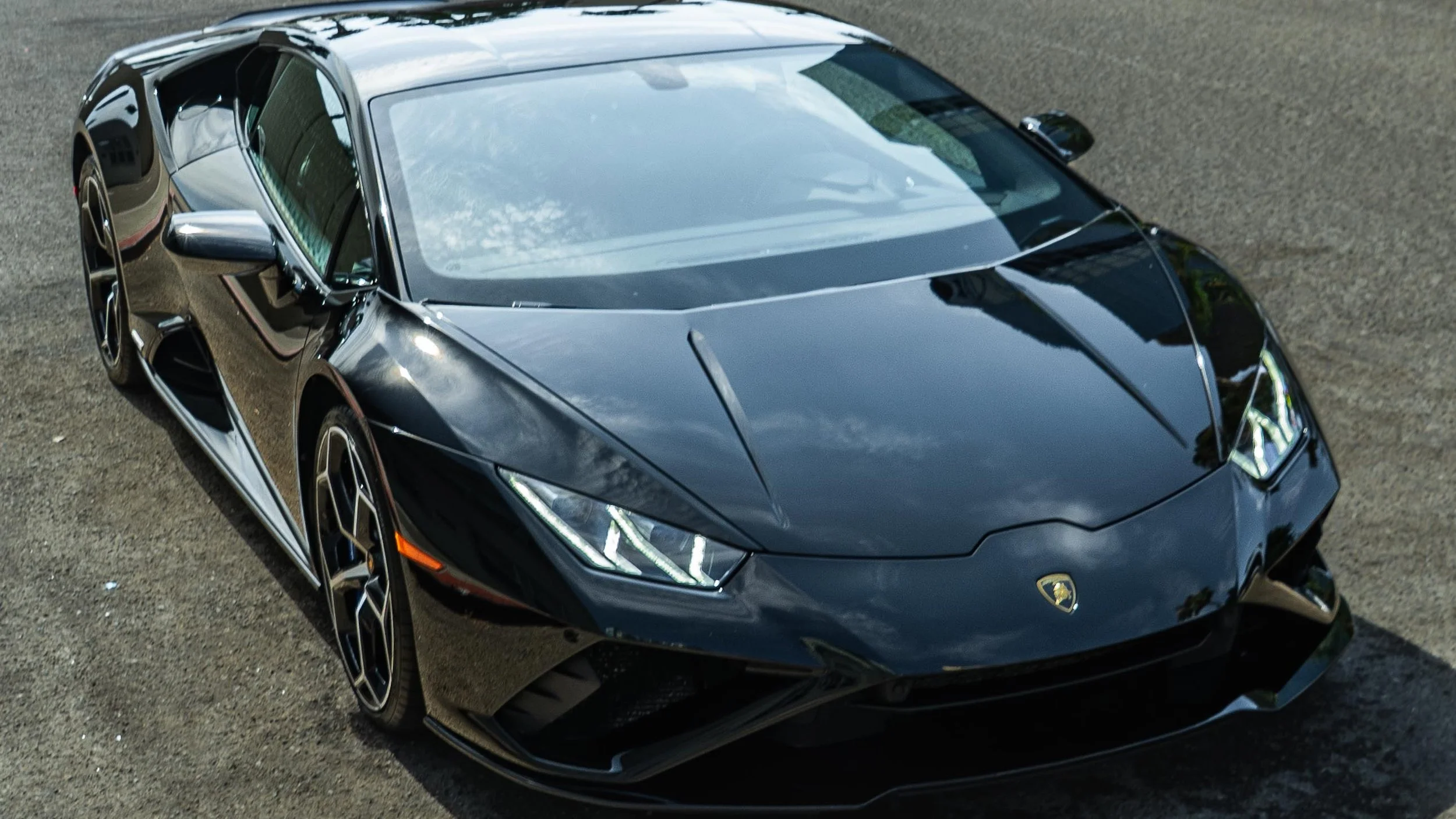
Labor and prep work: The hidden cost driver is paint correction. Most ceramic coating pricing includes basic paint correction to remove swirls and water spots. If your paint is heavily swirled, the coating will lock in those defects permanently. Proper prep adds $300-$800 but is essential.
According to SEMrush's 2025 Local Service Study, San Diego automotive service pricing runs 18-23% higher than the national average due to cost of living and labor rates.
Vehicle size matters:
Small sedan/coupe: Base pricing
Mid-size SUV/truck: Add 20-30%
Large SUV/full-size truck: Add 40-50%
Exotic/sports car: Add 30-40% (complex curves, special paint)
Paint condition on arrival:
Light swirls, minor water spots: Included in base ceramic coating price
Moderate damage: Add $200-400 for paint correction
Heavy swirls, scratches, oxidation: Add $600-1,200 for multi-step correction
Coastal vs. inland exposure: Vehicles that have sat unprotected near the coast for 2+ years often need extra prep work. Salt etching and marine layer damage require more aggressive correction before protection can be applied.
Important callout: If your paint is swirled, the coating will lock it in. We always inspect first and recommend correction when needed. This adds cost upfront but prevents paying twice (once for coating, then again to strip it off and correct paint properly).
The "Hybrid" Setup Most San Diego Owners Should Choose (2025 Gold Standard)
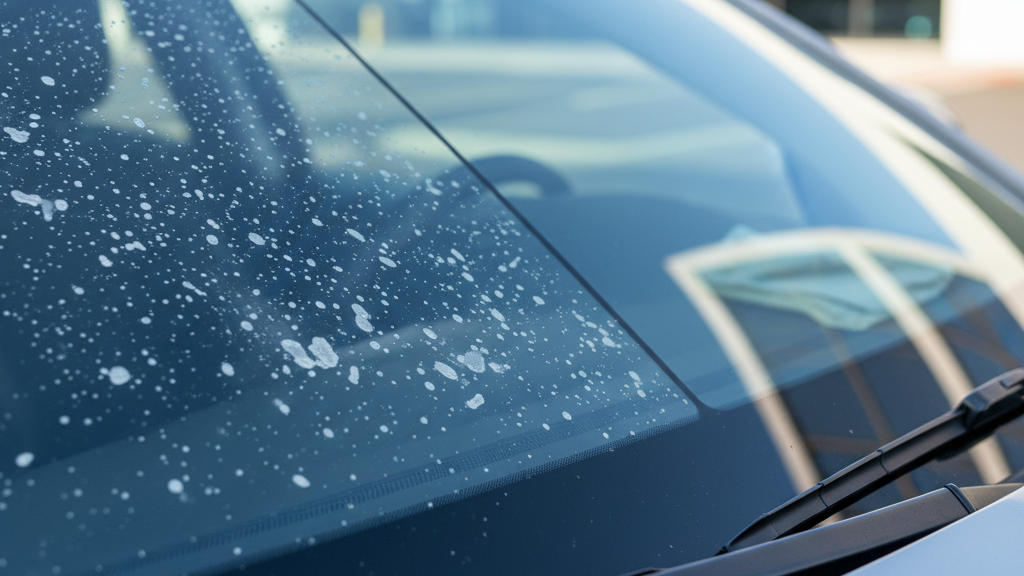
After years of working with San Diego drivers, we've found the optimal protection strategy for most people: PPF where you need impact protection + ceramic coating everywhere else.
Why "PPF Front + Ceramic Rest" Beats Either/Or
The problem with ceramic only: You get excellent UV and chemical protection, but your first I-5 commute puts rock chips in your hood. Ceramic coating does nothing against physical impacts.
The problem with PPF only: Full-body PPF costs $5,000-$8,500+. Unless you're protecting a $100K+ vehicle, that's hard to justify. Plus, standard PPF doesn't protect against UV or salt air as well as ceramic coating.
The hybrid solution:
PPF on high-impact zones: Hood, front bumper, fenders, side mirrors, A-pillars
Ceramic coating on rest of vehicle: Doors, roof, trunk, rear bumper
Ceramic coating on top of the PPF for complete protection
Why this works: You handle rock chips from I-5, I-805, SR-52, and SR-163 commuting with PPF. You handle salt air, bird droppings, bug guts, and UV damage with ceramic coating. Total protection without the $8,000 price tag.
What to Protect First (Priority Map)
Tier 1 (PPF - High Impact):
Hood (leading edge takes most freeway hits)
Front bumper (full coverage)
Side mirrors (constant debris exposure)
Fender leading edges (behind front wheels)
Tier 2 (Ceramic - Full Coverage):
Doors and side panels
Roof (UV protection)
Rear bumper and trunk
All painted trim
Tier 3 (Optional Ceramic):
Wheels (prevents brake dust bonding)
Glass (rain repellent effect)
Plastic trim (prevents fading)
Best for these San Diego drivers:
✅ Tesla Model 3/Y daily driver: You commute on freeways but also park near the coast. PPF front + ceramic rest = $2,400-$3,200
✅ Family SUV: You drive kids to school, run errands, occasionally hit the highway. Front PPF protects your investment, ceramic keeps it looking clean = $2,600-$3,600
✅ New truck: You want to keep it perfect but don't need full PPF. Front end coverage + ceramic = $2,800-$4,000
✅ Weekend performance car: You drive occasionally but want maximum protection when you do. Hybrid setup preserves value = $2,400-$3,400
The Science Gap (Simple Technical Proof Without Nerding Out)

Understanding thickness and chemistry helps you see why each protection works differently.
Thickness Reality Check
PPF is measured in mils:
Standard film: 6-8 mils thick (150-200 microns)
That's thick enough to absorb physical impacts
You can feel the edge where film meets paint
Ceramic coating is measured in microns:
Professional coating: 2-5 microns thick
That's 50-100 times thinner than PPF
You can't see or feel where coating exists
Why this matters: PPF is physical armor—thick enough to stop a rock. Ceramic coating is chemical armor—creates a molecular bond that resists UV and chemicals. They're solving completely different problems.
Chemical Resistance and Real-World Enemies
According to the Auto Detailing Association's 2025 Environmental Impact Report, San Diego ranks in the top 5 US markets for accelerated paint degradation due to combined environmental factors.
What attacks your paint daily:
Bird droppings: Highly acidic (pH 3-4.5). Etches into clear coat within hours if left in direct sun.
Bug guts: Acidic proteins that bond with paint. Harder to remove the longer they sit.
Sunscreen and oils: From beach days. These leave residues that attract dirt and break down clear coat over time.
Road film: Combination of asphalt, rubber, diesel particulates. Creates a brown film that requires more aggressive washing.
Ceramic coating's pH resistance: Professional-grade coatings resist pH from 2 to 12 (very acidic to very alkaline). This means bird droppings, bug splatter, and most chemicals won't etch through the coating layer to your actual clear coat.
Sources for technical specs: XPEL Ultimate Plus specifications (publicly available), 3M Scotchgard Pro Series data sheets, Gtechniq technical documentation.
| Coating Type | Durability | Cost | Application | Protection Level |
|---|---|---|---|---|
| Consumer Grade | 1-2 years | $ | DIY possible | Good |
| Professional Grade | 2-5 years | $$$ | Professional only | Excellent |
| Industrial Grade | 5+ years | $$$$ | Professional only | Superior |
This table quickly compares different ceramic coating options, helping you choose the proper protection for your vehicle.
Decision Engine (Pick the Right Protection Based on Your San Diego Driving)
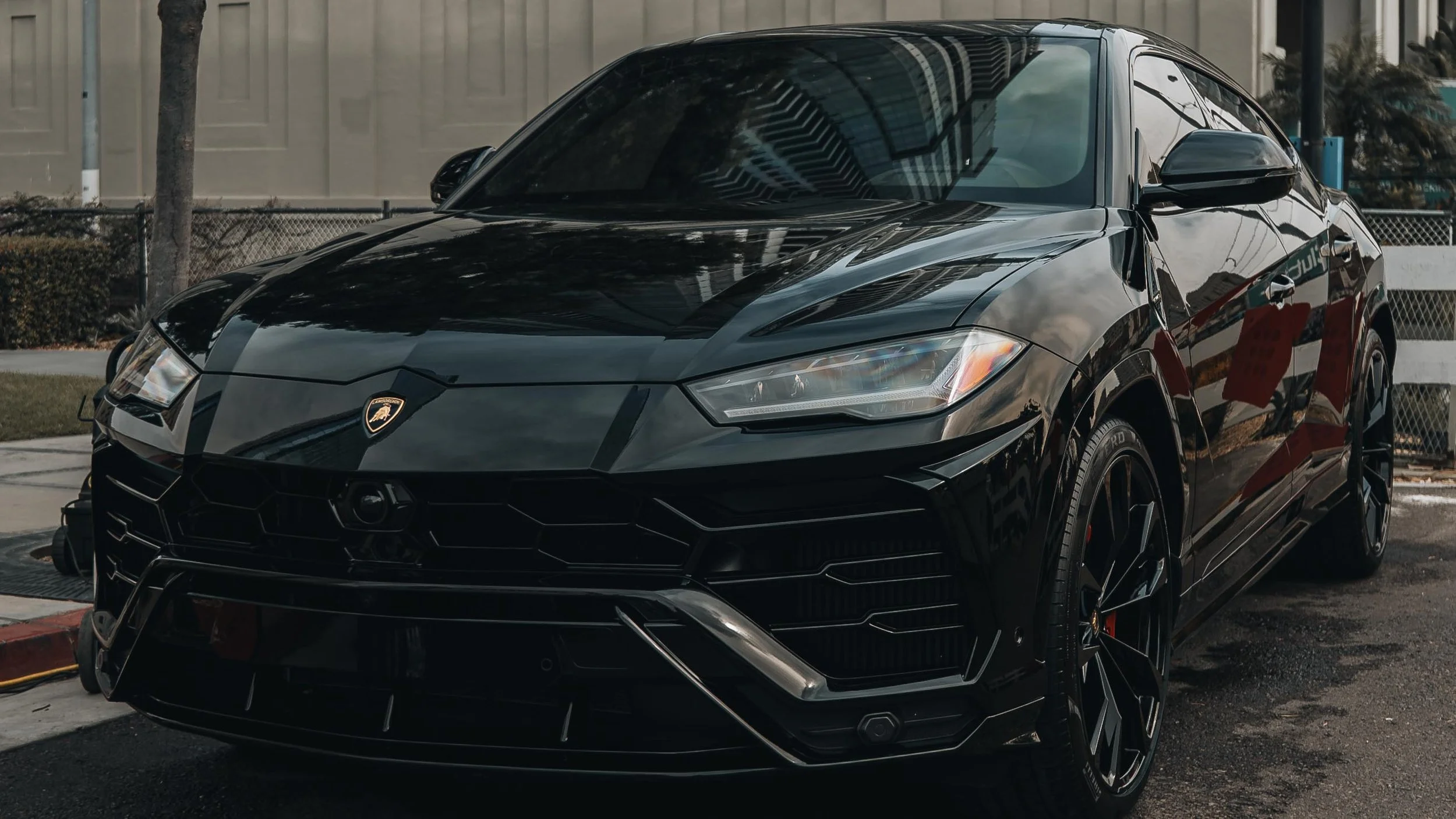
Answer a few quick questions to find your ideal protection:
Quick Quiz
Do you commute on freeways daily (I-5, I-805, I-8, SR-52, SR-163)? → Yes: You need PPF on your front end. Rock chips are inevitable at 70+ mph. → No: Ceramic coating alone might be sufficient.
Do you live or park within 5 miles of the ocean? → Yes: Ceramic coating is essential. Salt air will destroy unprotected paint within 3 years. → No: You still benefit from ceramic (UV protection) but it's less urgent.
Is this a lease you're returning in 1-3 years? → Yes: Get ceramic coating now. It prevents damage that triggers lease return penalties. Skip expensive PPF unless you drive freeways daily. → No: Consider PPF if you're keeping the vehicle 5+ years and want perfect paint.
Is this a new car you want to keep perfect? → Yes: PPF full front + ceramic coating everywhere = maximum protection from day one. → No: Ceramic coating + maintenance plan keeps it looking great without the PPF investment.
Recommended Packages (Good / Better / Best)
Good - Weekend Warrior
Hand wax or synthetic sealant: $80-$150
Reapply every 2-3 months
Best for: Garage-kept vehicles, minimal driving, tight budget
Better - Daily Driver Protection
Professional ceramic coating (2-5 year): $699-$1,299
Basic paint correction included
Annual maintenance inspection
Best for: Daily drivers, coastal residents, anyone parking outside
Best - Complete Coverage
Full front PPF: $1,200-$2,500
Ceramic coating on entire vehicle including PPF: $800-$1,400
Total: $2,200-$3,800
Best for: New vehicles, freeway commuters, keeping car 5+ years, maximum resale value
Maintenance in San Diego (Keep It Looking New)

Protection only works if you maintain it properly. Here's what each option needs.
Weekly Wash Rules (Coastal vs Inland)
For all protection types:
✅ Use pH-neutral car shampoo (no dish soap) ✅ Two-bucket method (one for soap, one for rinsing mitt) ✅ Microfiber wash mitts only (no sponges or brushes) ✅ Always dry immediately in San Diego (hard water = instant spots)
No tunnel car washes. Here's why:
Brushes create micro-scratches that degrade ceramic coating High-pressure nozzles can lift PPF edges Harsh chemicals void most protection warranties Automated systems don't account for protected vehicles
Coastal residents (Pacific Beach, La Jolla, Del Mar):
Wash weekly minimum (salt buildup is aggressive)
Rinse thoroughly before washing (don't scrub salt particles across paint)
Consider deionized water for final rinse (prevents hard water spots)
Inland residents (La Mesa, El Cajon, Santee):
Wash every 10-14 days
Pre-rinse is critical (dust acts like sandpaper if rubbed dry)
Park in shade when possible (intense UV accelerates coating degradation)
What to Do After Beach Days or Long Freeway Drives
After beach exposure:
Rinse vehicle within 24 hours to remove salt spray
Pay attention to lower panels and wheel wells (salt accumulates)
Bug and tar remover safe for ceramic coating: Gyeon Bug & Grime or similar
After freeway drives:
Inspect PPF for new impacts (they're easier to repair early)
Remove bug splatter within 48 hours (proteins bond fast in heat)
Quick detailer spray helps prevent bug acids from sitting on paint
San Diego Maintenance Checklist:
Weekly:
Wash with pH-neutral soap
Dry completely (hard water prevention)
Quick visual inspection
Monthly:
Deep clean (iron remover for brake dust)
Apply ceramic booster spray (if ceramic coated)
Check PPF edges for lifting
Quarterly:
Professional inspection (for ceramic or PPF)
Apply fresh coat of wax (if using wax protection)
Full decontamination (clay bar if needed)
Annually:
Professional ceramic coating inspection
PPF warranty check and edge sealing
Consider paint correction touch-up on unprotected areas
FAQs
-
They're all marketing terms for the same thing: ceramic coating. "Liquid glass" sounds premium, "nano coating" sounds high-tech, but they're all silicon dioxide or silicon carbide based coatings that chemically bond to your paint.
The real difference is coating grade (consumer vs. professional) and silicon dioxide concentration. Professional coatings like Gtechniq Crystal Serum Light contain 70%+ SiO2. Consumer products contain 10-30% SiO2.
Don't choose based on marketing terms. Ask: "What's the product name, SiO2 percentage, and expected lifespan?"
-
Consumer-grade (DIY products): 12-18 months Professional-grade: 3-5 years Premium coatings: 5-7 years
San Diego factors that reduce lifespan:
Coastal areas: Salt air accelerates degradation by 15-20%
Inland heat: Temperatures over 100°F stress coatings
Hard water: Mineral deposits work their way into coating over time
UV exposure: 266 sunny days means constant UV stress
To maximize lifespan:
Apply booster spray every 3 months
Wash weekly to remove contaminants
Avoid automatic car washes
Annual professional inspection
-
This depends on your usage and intentions:
PPF makes sense if:
You commute 50+ miles daily on freeways (high rock chip risk)
You're keeping the vehicle 8+ years
You care about maintaining appearance and resale value
You live in a high-debris area (near construction zones)
Skip PPF if:
You lease (3-year lease won't benefit from 7-10 year protection)
You rarely drive on freeways
You trade vehicles every 3-4 years
Budget is extremely limited
Middle ground: Get PPF only on the hood and front bumper ($800-1,200). This covers 80% of rock chip risk at 40% of full-vehicle cost.
-
Yes—and you should. Applying ceramic coating over PPF provides multiple benefits:
Benefits:
Prevents water spots on the film
Makes PPF easier to clean
Adds UV protection (standard PPF has limited UV blocking)
Enhances gloss and shine
Extends PPF lifespan
Cost: $600-1,000 for ceramic coating over existing PPF
Application note: The coating bonds to the PPF, not the paint underneath. This is normal and intended. When you eventually remove the PPF (after 8-10 years), the coating comes off with it.
Fresh Layer Proof Section
What Makes Our Paint Protection Different
Mobile convenience for ceramic coating: We come to your location anywhere in San Diego County. No need to drive to a shop, wait around, arrange pickup. We work while you're at home, in the office, or running errands. Our self-contained setup includes professional polishers, commercial generator, water supply, and pop-up workspace.
Inspection + honest recommendation: We inspect your paint condition first and recommend only what you actually need. If your paint is perfect, we'll tell you. If it needs correction before coating, we'll show you why with LED inspection lights. No upsells, no pressure, no packages you don't need.
Product quality and warranty: We use Gtechniq Crystal Serum ceramic coatings (5-7 year professional grade) and XPEL Ultimate Plus PPF (10 year warranty, self-healing top coat). These aren't consumer-grade products from Amazon—they're professional formulations with documented longevity.
All ceramic coating installations include written warranty (2-7 years depending on product), maintenance instructions specific to San Diego conditions, and annual inspection service.
What San Diego Customers Say
"We park two blocks from the beach in PB. Fresh Layer ceramic coated our Model 3 in 2020. After four years in salt air, the paint still looks new—no oxidation, no water spots. Our neighbor's identical Tesla without coating shows clear damage after 2 years." - Mike T., Pacific Beach
"Daily I-805 commuter here. Front-end PPF was worth every penny. The film has taken hundreds of rock hits that would have destroyed my hood. The unprotected rear bumper has 30+ chips as proof of what would've happened up front." - Sarah L., Mission Valley
"Honest assessment, no pressure. They showed me my paint under LED lights and explained why correction was needed before coating. Results are perfect—exactly what they said I'd get." - David R., La Jolla
Brian Dean's principle applied to this guide: "Make the page the best answer on the internet for that question." We wrote this to answer every question San Diego car owners have about paint protection—without fluff, without trying to sound smarter than we need to, and without hiding limitations behind marketing language.
Book Paint Protection in San Diego
Your San Diego vehicle faces salt air, UV rays, rock chips, and hard water daily. Protection isn't about vanity—it's about preventing damage that costs thousands to repair.
We service all of San Diego County:
Coastal: Pacific Beach, La Jolla, Del Mar, Coronado, Ocean Beach, Point Loma
Central: Mission Valley, Hillcrest, North Park, Kearny Mesa
North County: Encinitas, Carlsbad, San Marcos, Vista, Oceanside
East County: La Mesa, El Cajon, Santee, Poway, Alpine
Protection options and pricing:
Ceramic coating: $699-$1,499+
Front-end PPF: $1,200-$2,500+
Full vehicle PPF: $5,000-$8,500+
Hybrid package (PPF front + ceramic rest): $2,200-$3,800
Paint correction (if needed): $300-$1,200
This month's special: Book front-end PPF + full ceramic coating together, save $300. Limited availability.
100% satisfaction guaranteed: In 6 years and 500+ protection installations, we've had fewer than 5 dissatisfied customers—all resolved with re-work or full refund. If you're not thrilled with results, we make it right.


